Teaching Art as Income: A Guide for Working Artists
Earn income teaching art. University positions, workshops, private lessons, online courses, and community education for artists at every career stage.
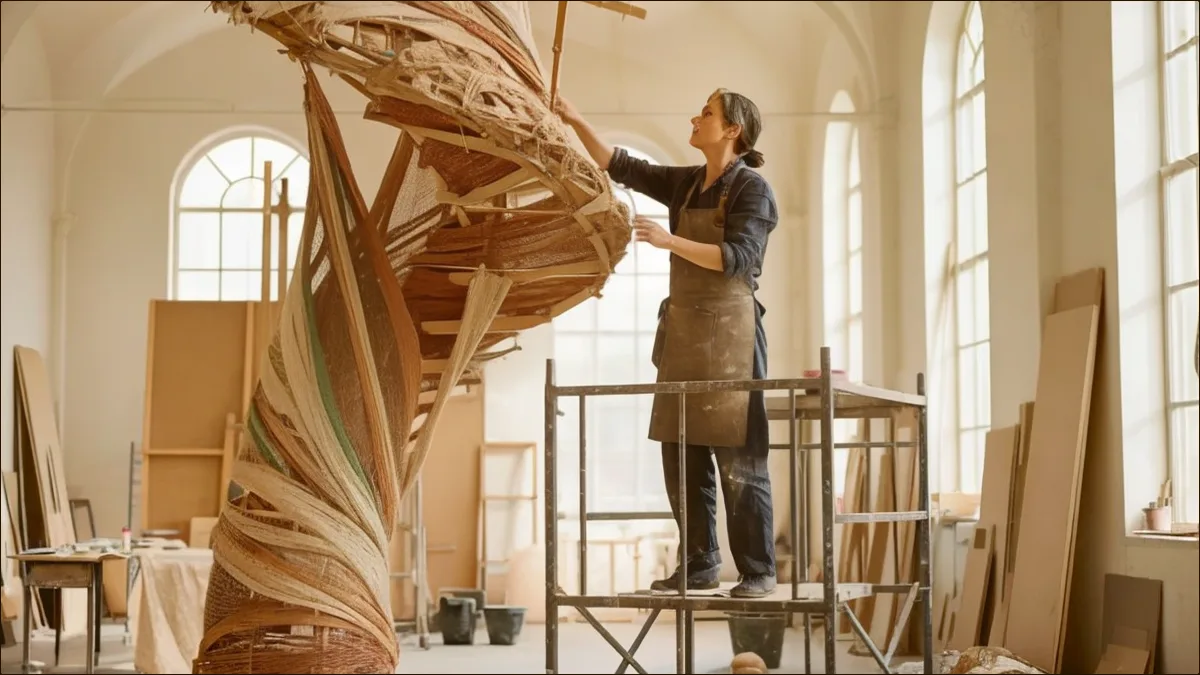
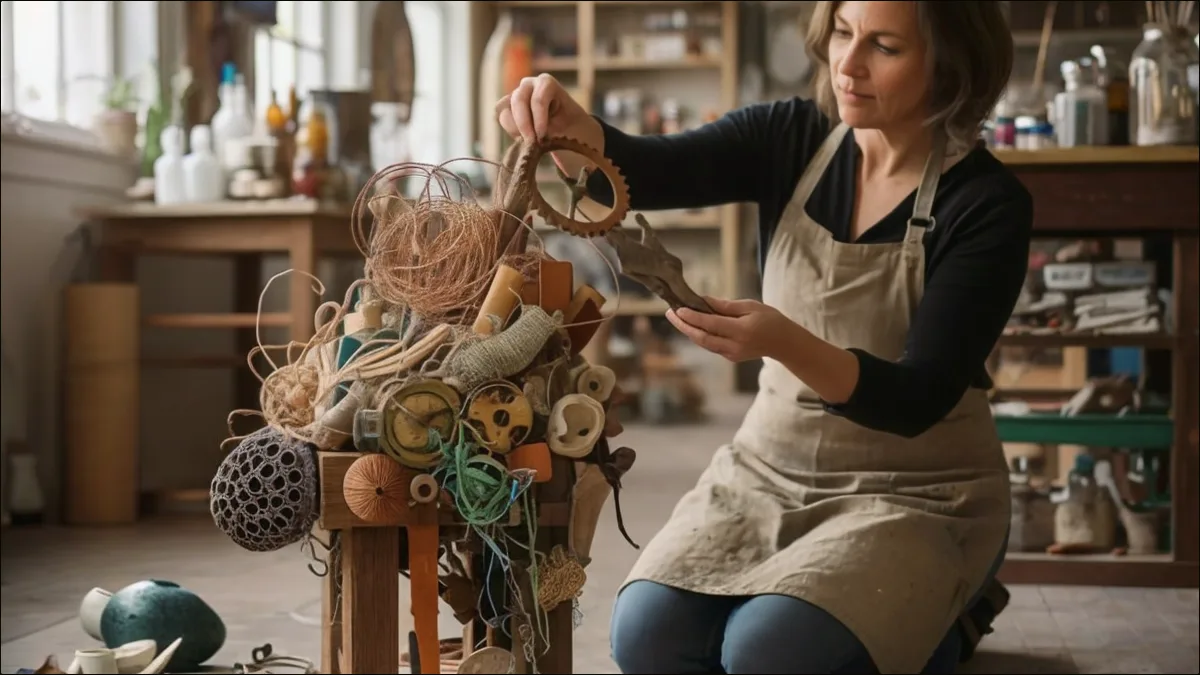 Artist teaching a studio art class to students as supplemental income
Teaching provides steady income while keeping you close to your practice. University positions, workshops, private lessons: the options vary widely in pay and in how much time they eat. Here is what each one involves.
Quick Answer
- University adjunct positions pay $2,000-6,000 per course but offer no benefits
- Private lessons earn $50-150/hour depending on location and experience
- Workshops range from free (for exposure) to $500+ per day
- Online courses provide passive income but require significant upfront investment
- Teaching complements studio practice for many successful artists
A few things are worth knowing before you take the first class. Combining university, private, and workshop teaching is more stable than depending on any one of them. Being a good artist does not make you a good teacher, and the gap is bigger than most people expect. Teaching will consume every hour of energy you fail to defend. Reputation builds slowly, so start small and expand when demand appears rather than before it. And explaining your process to other people tends to sharpen it, which is the part nobody warns you about.
Types of Teaching Opportunities
University and College Teaching
Tenure-track positions:
- Full-time with benefits
- Job security after tenure
- Research/studio time expected
- Requires MFA minimum, usually exhibition record
- Extremely competitive (100+ applicants per position)
Adjunct/visiting positions:
- Part-time, per-course pay
- No benefits typically
- Semester-to-semester contracts
- More accessible entry point
- Majority of art faculty are now adjunct
Visiting artist positions:
- Semester or year appointments
- Often include housing or stipend
- Focus on studio work plus some teaching
- Prestigious but temporary
University Teaching Positions
| Position Type | Pay Range | Job Security |
|---|---|---|
| Tenure-track professor | $55,000-120,000/year | High after tenure |
| Visiting professor | $45,000-80,000/year | 1-3 year contracts |
| Adjunct instructor | $2,000-6,000/course | Semester to semester |
| Graduate teaching assistant | Tuition + $15,000-25,000/year | Duration of program |
Academic hiring runs on your CV more than your portfolio, and it runs on a specific format. Search committees read hundreds of these. The CAA-format artist CV guide covers the conventions, and Artsume's artist CV builder produces one you can keep current between postings.
Workshops and Masterclasses
Art centers and museums organize their own workshops, from single sessions to multi-day intensives, and pay somewhere between $100 and $1,000+ per session for you to show up and teach. Self-organized workshops pay better per student but hand you the marketing, the venue, and the logistics, in exchange for teaching exactly what you want to teach.
There is a third route: teaching as part of a residency. Many programs build community engagement into their terms, so the workshop is part of the deal rather than a separate gig. How to apply for artist residencies covers finding those programs, and artist fellowships covers the funded appointments that sometimes carry a teaching component.
Private Lessons
One-on-one instruction typically pays the highest hourly rate, schedules flexibly, and builds relationships that last years. The cost is that every student is one you found yourself.
Small group classes trade some of that rate for volume, since more students per hour means more income per hour, and the social side is what attracts a lot of adult students in the first place. You need appropriate space, whether that is your studio or somewhere rented.
Online Teaching
Recorded courses:
- Platforms: Skillshare, Udemy, Domestika, Teachable
- Passive income after creation
- Significant upfront production time
- Platform fees vary (0-50%)
Live online classes:
- Zoom or similar platforms
- Similar to in-person teaching
- Reach students anywhere
- Requires good tech setup
Membership/subscription models:
- Patreon, Substack, or own platform
- Ongoing content creation
- Building community element
- Predictable recurring income
Community Education
Community colleges run continuing education programs, usually evenings and weekends, with an accessible student population and lower pay than university courses. City recreation departments take all ages and skill levels, pay the least, and are the easiest place in this list to get your first teaching experience. Art leagues and guilds sit somewhere in between: member-focused, often actively looking for teaching artists, with pay that varies by organization.
Getting Started
Building Teaching Skills
Good art does not equal good teaching. Develop pedagogy.
The fastest way in is to assist someone who already does it well, then teach something free to find out what you don't know yet. Record yourself and watch it back, which is unpleasant and effective. Ask students for feedback and believe them.
More formal routes exist: graduate teaching assistantships, teaching artist certification programs, education coursework, and mentorship with an experienced educator. Whichever path you take, the skills being built are lesson planning and curriculum design, demonstration technique, giving feedback that a student can act on, classroom management, and adapting to people who learn differently than you do.
Creating Your Teaching Portfolio
Document your teaching like your artwork.
Include:
- Teaching statement (your philosophy)
- Course descriptions and syllabi
- Student evaluations and testimonials
- Sample assignments
- Documentation of student work (with permission)
- List of teaching experience
A teaching statement is a close cousin of an artist statement, and the same discipline applies: specific, plain, and about what you actually do rather than what sounds good. How to write an artist statement is a useful model.
Finding Opportunities
University positions get posted on HigherEdJobs, the Chronicle of Higher Education, the College Art Association job board, and individual institution websites, though knowing current faculty is what usually turns an application into an interview. Workshop work comes from art centers in your region, residency programs, conferences, and museum education departments. Private students come from word of mouth, your website and social media, local community boards, and art supply stores. Online teaching means either applying to a platform or building the audience first and the course second.
Applications for teaching-adjacent opportunities land alongside your exhibition applications, so keep them in the same system. You can browse open opportunities and track deadlines in one place rather than three inboxes.
Financial Considerations
Setting Your Rates
For private lessons, research local market rates, weigh your experience and credentials, count preparation time as time, and include materials if you're providing them. The typical range is $50-150/hour depending on location and specialty.
For workshops, add up everything (space, materials, marketing) and price to cover costs plus a fair hourly wage for teaching and prep, then decide the minimum enrollment that makes the day worth running. Online courses sell for $20-200 on the major platforms, of which you keep 30-60%; self-hosting means the full price and the full workload. Either way, calculate hours invested against likely sales before you commit a month to production.
Rate-setting for teaching uses the same muscle as pricing work, and artists tend to undercharge for both. How to price your artwork covers the underlying logic.
Tax Implications
Teaching income is taxable. As an employee you get a W-2 with taxes withheld and, rarely for adjuncts, benefits. As a contractor you get a 1099, pay self-employment tax, deduct teaching expenses, and owe quarterly estimated payments. Our taxes and business structure guide covers the details.
Budgeting for Teaching
Factor in preparation time, which often doubles classroom time; travel to teaching locations; materials and supplies; professional development; and marketing if you teach privately.
A $100/hour private lesson that takes 2 hours prep is really $33/hour.
Balancing Teaching and Practice
Protecting Studio Time
Teaching can consume all available time and energy. Cap your hours per week, block studio days with no teaching on them, cluster your teaching so it doesn't fragment the calendar, take the breaks between semesters, and decline the opportunities that would tip the balance.
Watch for the signs it has already tipped: weeks without entering the studio, resentment toward teaching, class prep used as a way to avoid your own work, and output quietly declining. Studio practice and productivity covers building a practice that survives a demanding schedule.
How Teaching Informs Practice
Teaching pays back in ways that have nothing to do with income.
Benefits:
- Articulating your process clarifies thinking
- Student questions prompt new directions
- Teaching fundamentals refreshes foundations
- Community and connection combat isolation
- Forced engagement when motivation is low
The Teaching Artist Identity
You can be both serious artist and serious teacher. The failure modes are treating teaching as evidence you couldn't sell work, hiding it from the gallery world, letting it become your whole identity, and allowing teaching credentials to stand in for an exhibition record they cannot replace.
What works instead is treating teaching as part of the practice, sharing knowledge as a professional contribution, taking students seriously as a community, and using the steady income for what steady income is good for: taking bigger risks in the studio.
Common Teaching Challenges
The Adjunct Trap
Low pay, no benefits, no security. Adjuncts earn poverty wages, benefits are rarely included, courses can be cancelled at the last minute, and at most institutions there is no path from adjunct to tenure-track.
If academia is the goal, pursue tenure-track positions directly and treat adjunct work as a supplement to other income rather than a stepping stone. Negotiate where there is anything to negotiate, and keep other income streams alive.
Difficult Students
Every teacher encounters them: the student who resists all feedback, the one who dominates every discussion, the one who needs constant attention, and the one whose skill level does not match the course they enrolled in.
The same four responses cover most of it. Set clear expectations on day one, enforce policies consistently, move the conversation to a private one when it needs to be private, and escalate to administration when the issue is serious.
Burnout
Teaching without boundaries leads to exhaustion.
Prevention:
- Clear work hours and availability
- Sustainable teaching load
- Regular breaks and time off
- Boundaries on student contact
- Self-care practices
Recovery:
- Reduce load temporarily
- Take sabbatical or break if possible
- Reconnect with why you teach
- Seek peer support
Building a Teaching Career
Start by assisting established teachers, taking community education classes, running free or low-cost workshops for the experience, and building a few private students.
Once you have footing, specialize. A specific technique or material, a particular student population, a methodological approach, or a subject nobody else in your region teaches will do more for your rates than general competence.
From there the reach grows through workshop touring in other cities, online courses for passive income, writing and publishing about teaching, speaking at conferences, and mentoring other teaching artists.
Frequently Asked Questions
Do I need an MFA to teach at universities?
For tenure-track positions, an MFA or equivalent terminal degree is typically required. For adjunct positions, requirements vary. Strong exhibition records or professional accomplishment sometimes substitute for degrees. Community colleges and continuing education programs are more flexible about credentials.
How do I find private students?
Start with your network: friends, family, collectors, followers. Add teaching to your website and social media. Post at art supply stores and community boards. Ask current students for referrals. Consider platforms like Superprof or TakeLessons. Word of mouth builds over time.
What should I charge for workshops?
Calculate your costs (space, materials, marketing, time) and add appropriate hourly wage for teaching and prep time. Research comparable workshops in your area. Typical ranges: $50-200 for half-day, $100-400 for full day, $500+ for multi-day intensives. Higher for specialized or advanced content.
Is online teaching worth the effort?
It depends on your goals. Recorded courses require significant upfront investment but provide passive income. Live online teaching is similar to in-person but reaches broader audience. If you have unique knowledge and can reach students who would not find you locally, online expands your market considerably.
How much time should I spend teaching versus making art?
There is no universal answer. Some artists teach one day a week; others half-time. The key is intentional choice and sustainability. Monitor your studio output and wellbeing. If teaching supports your practice financially and energizes you creatively, more is fine. If it drains you, cut back.
Will teaching hurt my gallery representation?
Teaching is normal for artists. Many represented artists teach. What matters is maintaining your exhibition record and studio production. Galleries care about your work and market presence, not whether you also teach. Some collectors appreciate teacher-artists for their thoughtful approach.
Document Your Teaching Career
Teaching applications ask for evidence: courses taught, institutions, dates, sometimes evaluations. Reconstructing that four years later from memory and old email is miserable, and it is the reason otherwise qualified artists send in thin applications. Log each engagement when it happens.
Academic and community postings differ in what they want, too. Some ask for a full arts and cultural CV with the complete record; others want a short artist resume that fits on a page. Keeping the master record current means either one is a few minutes of work rather than a weekend. The CV walkthrough covers the setup.