The Free Artist Portfolio Website Builder
Give your work room to be understood. Bring images, video, audio and project context together in a profile you control.
No credit card required
A portfolio that stays current.
Organize your work once, then choose what appears publicly. Add titles, years, mediums, dimensions, descriptions, and other details as your practice develops. Your portfolio becomes part of a living professional record that you never have to rebuild.
What you get:
- Show images, video, audio and writing in one portfolio.
- Link out to work that lives elsewhere.
- Connect each work to the exhibition it was in.
- Set each project to shown, link only or off.
- Open your full portfolio from one scan.
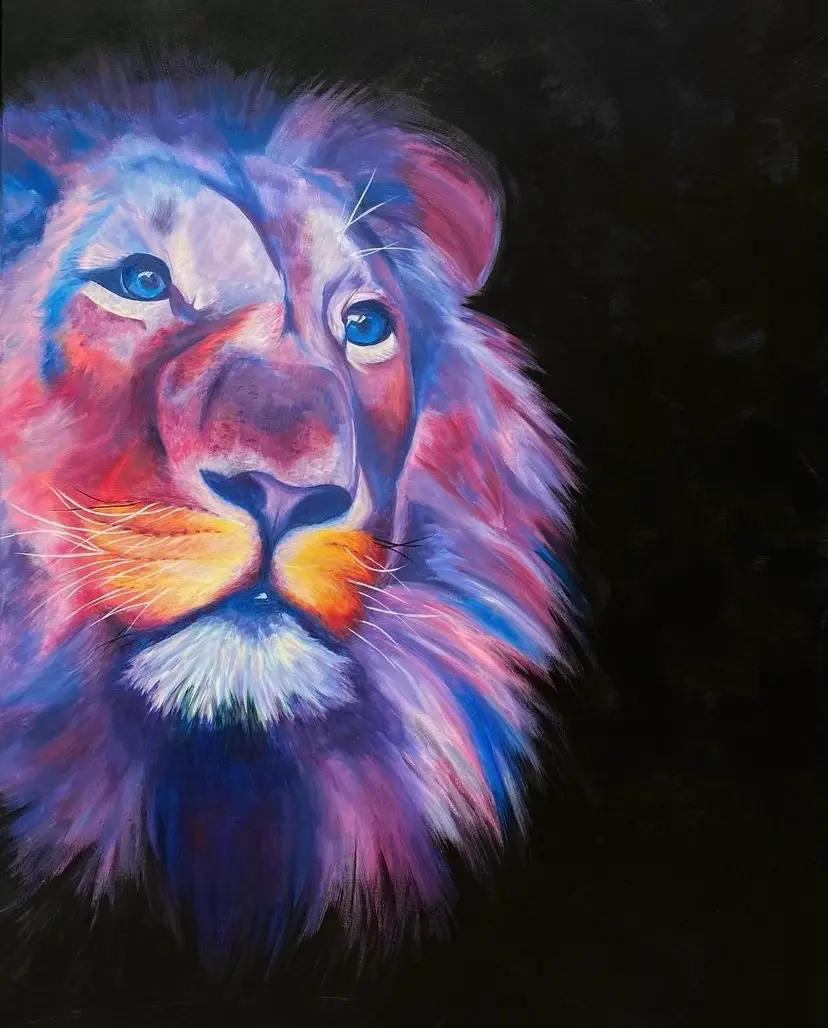
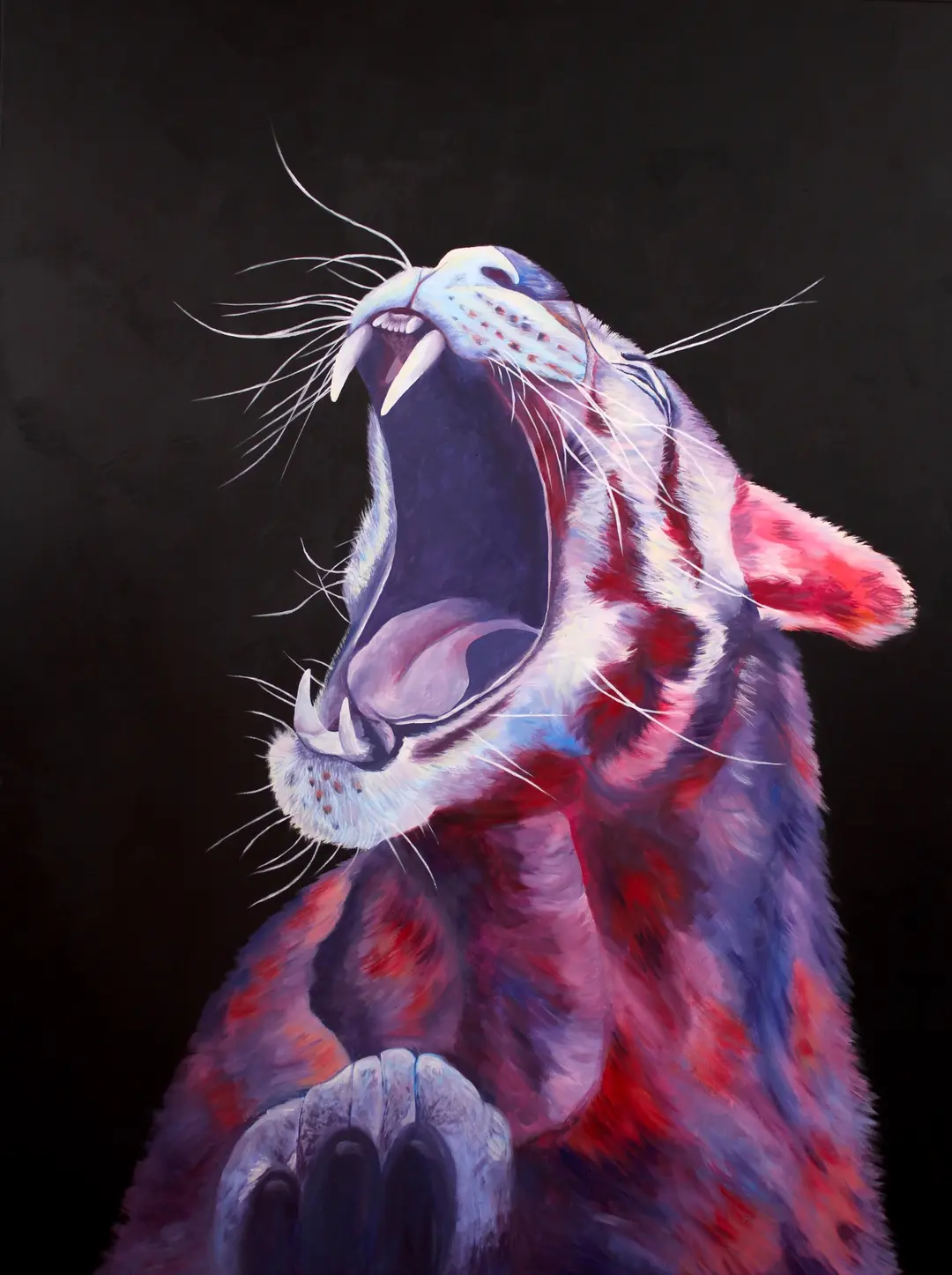
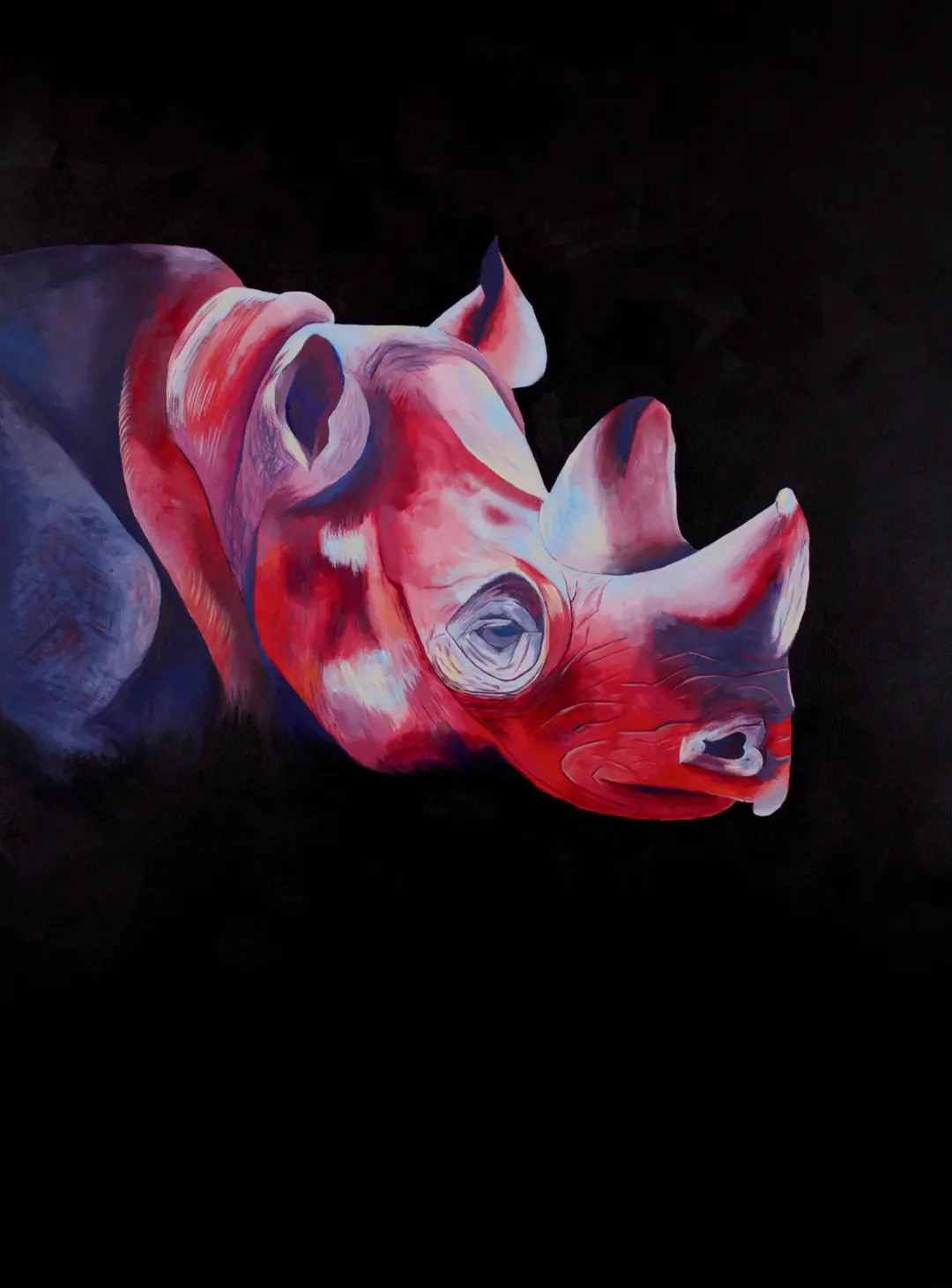
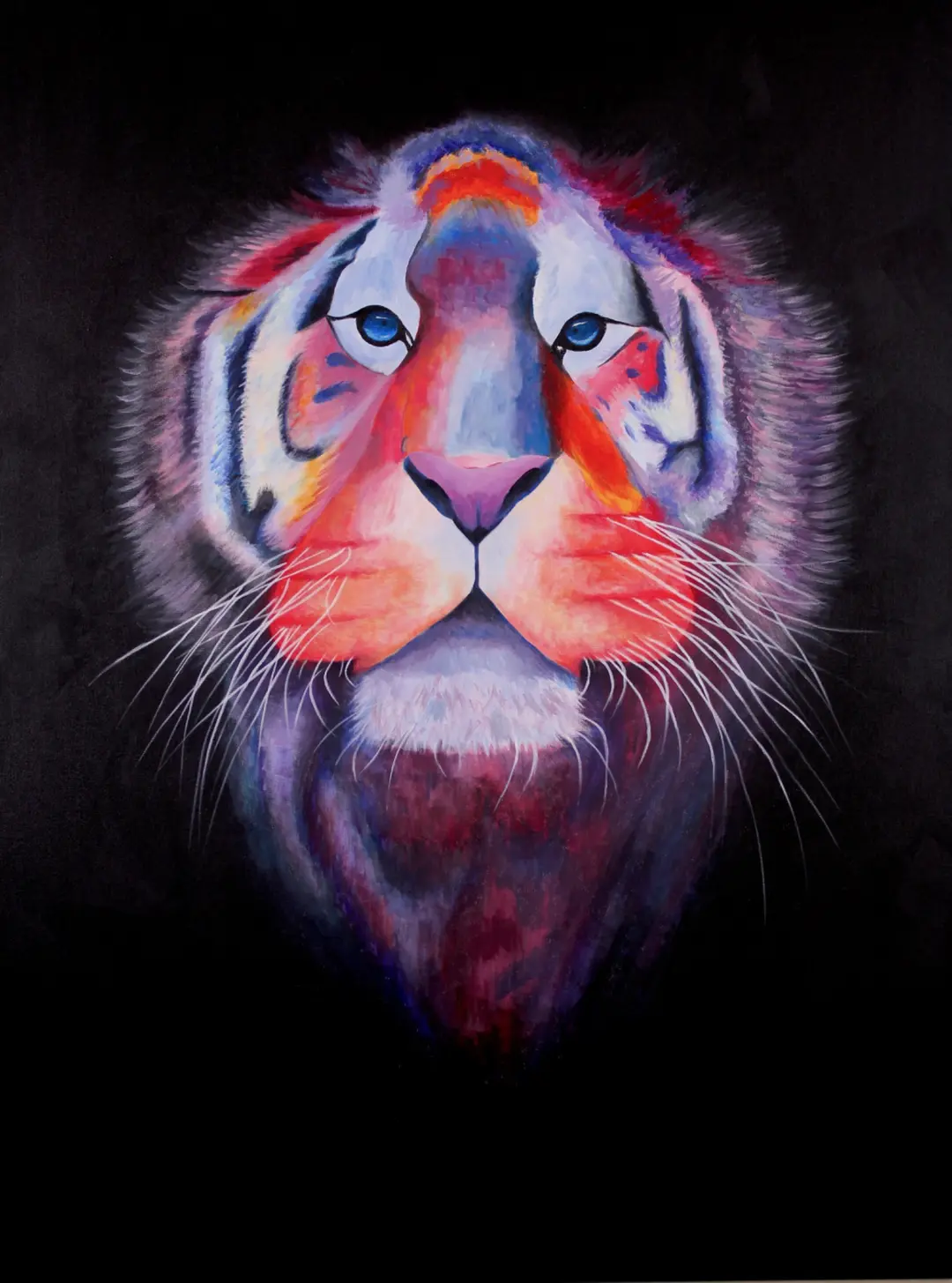
Three steps to get set up.
Upload your work
Add images, video, audio, PDFs, or external links. Artsume accepts every format, so you upload your documentation the way it exists.
Link each work to your CV
Connect each portfolio work to the CV credit it belongs to: the exhibition, grant, or residency where it was shown or made.
Share your live portfolio URL
Your portfolio has a shareable Artsume link. Send it to galleries or attach it to applications.
Your profile, CV, and portfolio are all included. Create your Artsume.
Any format, any medium. Images, video, audio, writing, links.
Upload JPEGs, MP4s, or audio files, write the piece directly, or link out to Vimeo, SoundCloud, or anywhere else your work lives. Every medium, one portfolio.
Linked to your CV. Every work connects to its exhibition history.
Connect each portfolio work to its CV credit: the exhibition it was shown in, the grant it was made for, the residency where it was created. Reviewers see where the work has been.
Shown, link only, or off. You choose, per project.
Keep a project off your profile and still send its link. Flip it to shown the moment it is ready.
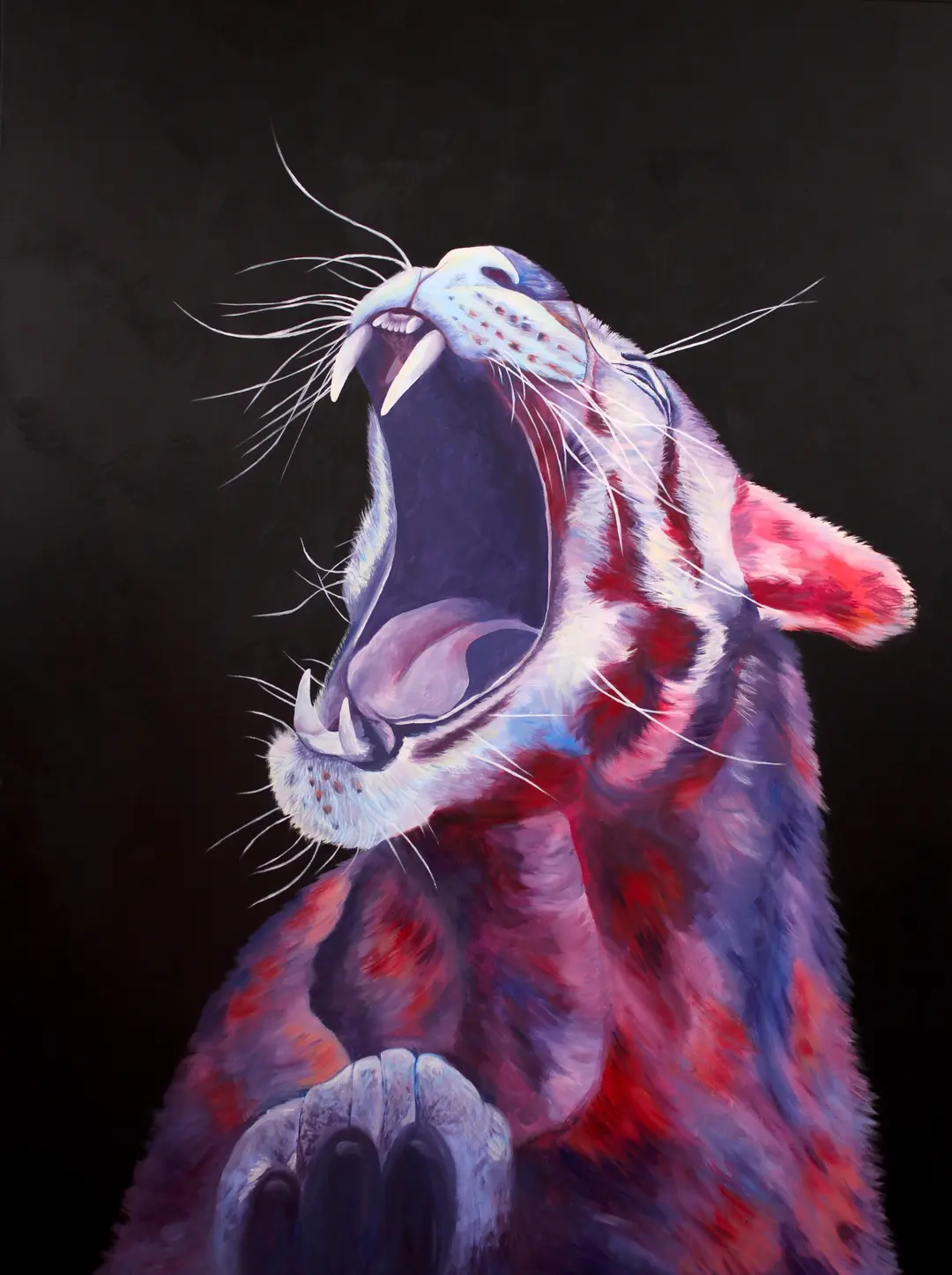
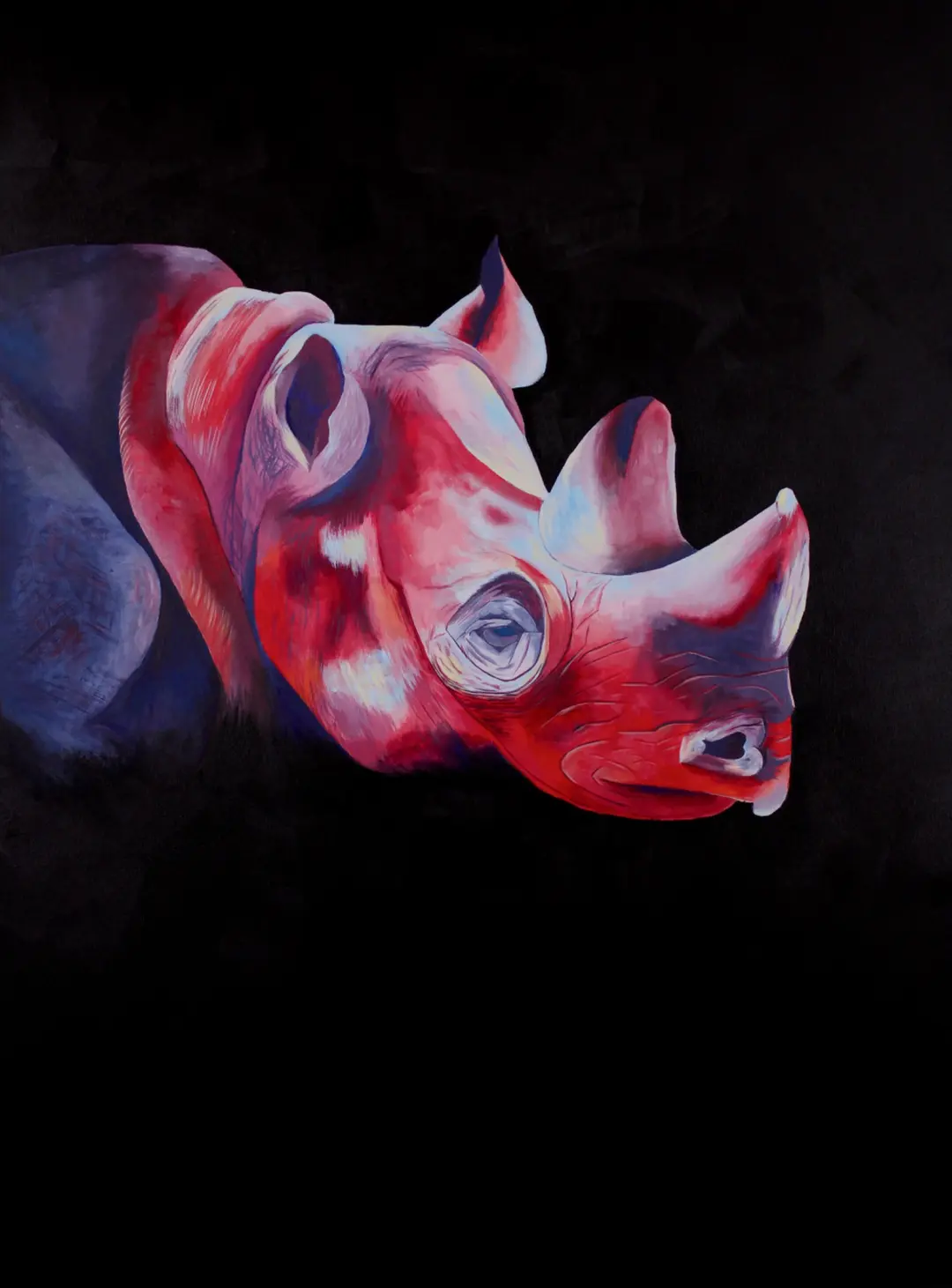
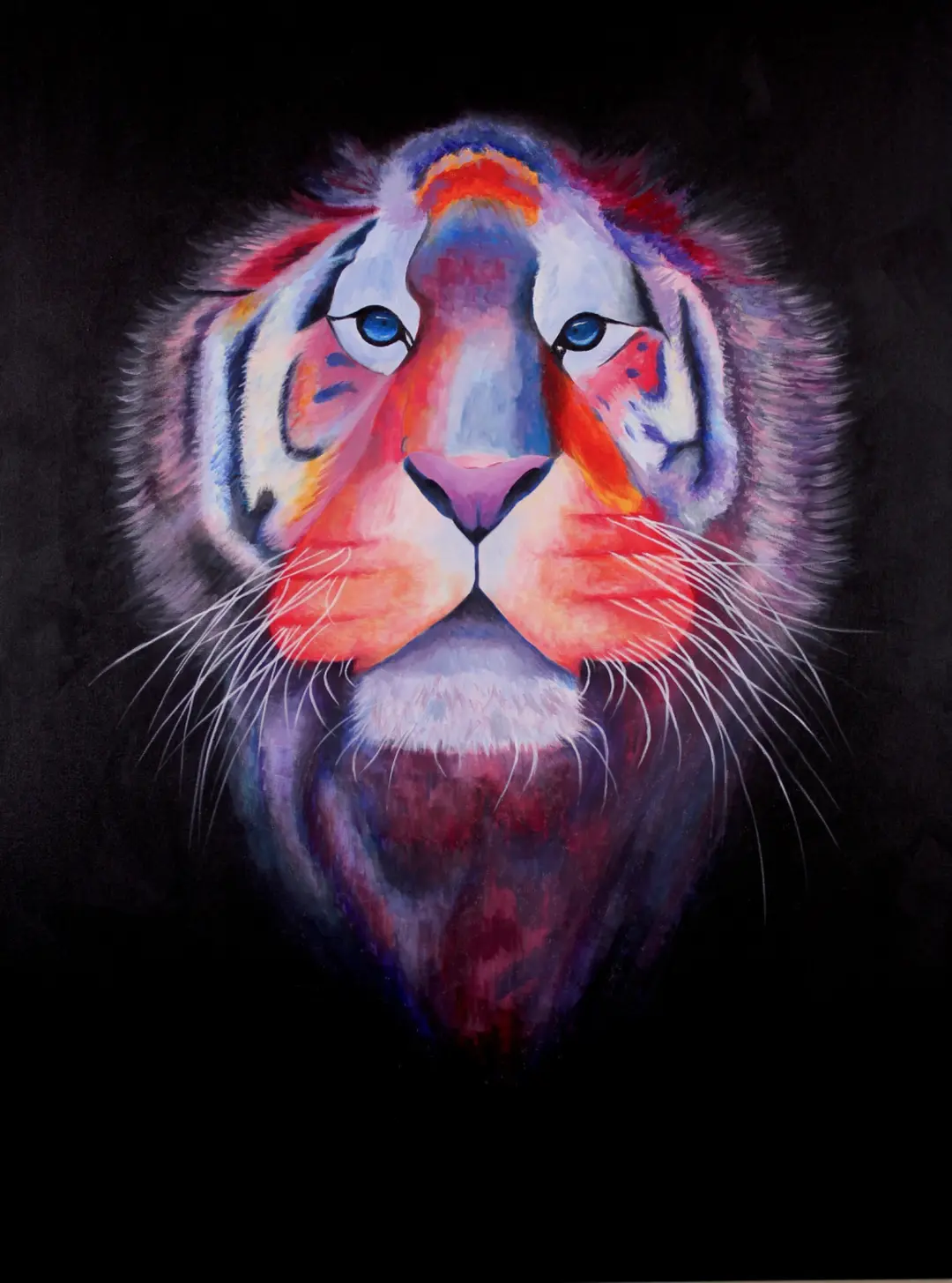
Accessible from your Artist Card. One scan at an opening, full portfolio.
Your Artsume Artist Card lives in Apple Wallet or Google Wallet. When someone scans it at a gallery opening, art fair, or studio visit, your full portfolio is the first thing they see.
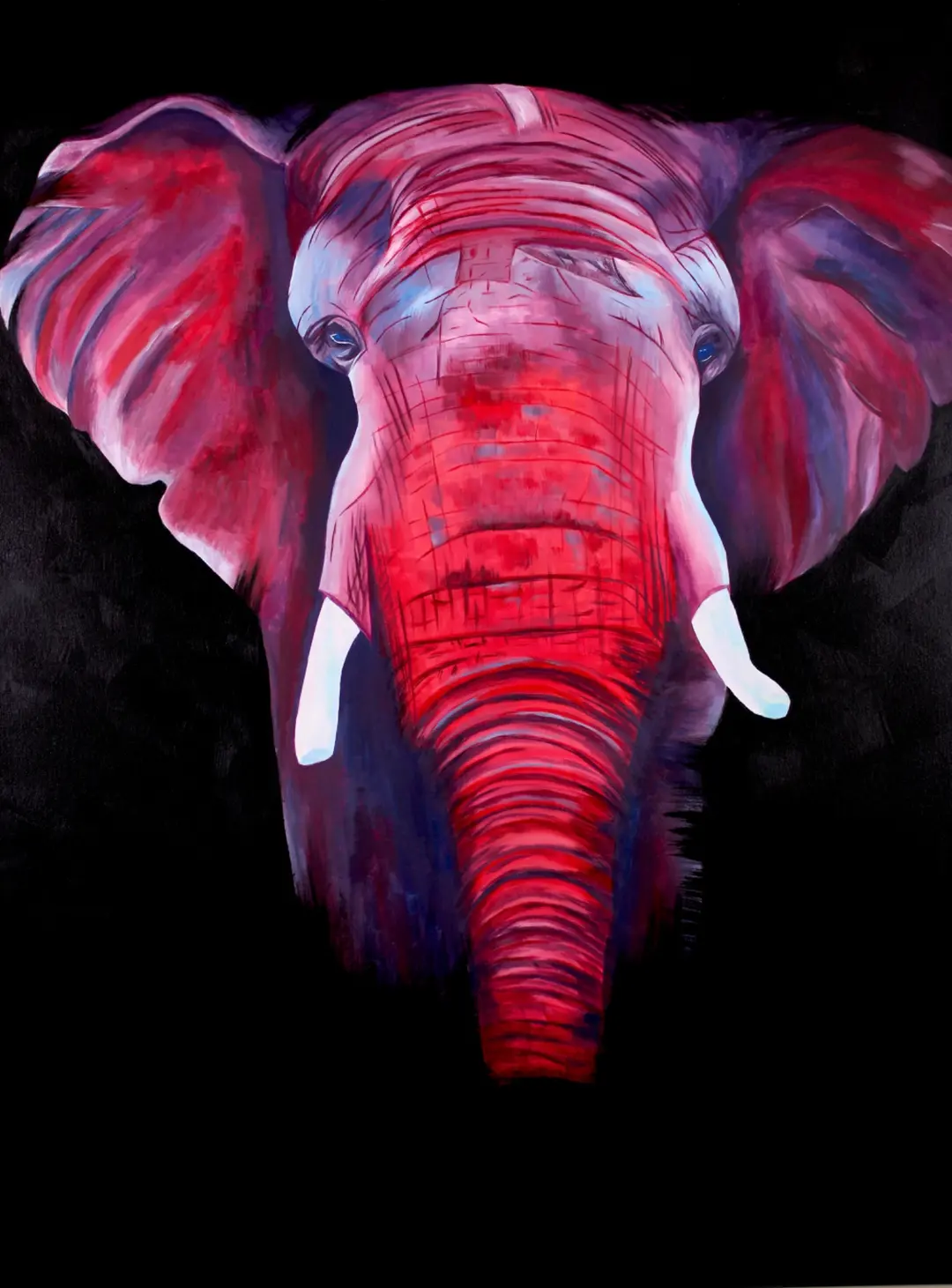
Indexed across every channel a curator might use.
Your portfolio is part of the artsume.com/a/your-handle profile that search engines can index. Organizations running open calls search it directly too.


Common questions. Straight answers.
What is an artist portfolio website?
An artist portfolio website is a curated online presentation of your work for galleries, collectors, grant organizations, and residency programs. Unlike a general portfolio website, Artsume links every work directly to your artist CV.
What should I include in my artist portfolio?
Include your strongest, most representative works with complete documentation: title, year, medium, dimensions, and artist statement. Prioritize quality over quantity. 10–20 strong works are more effective than 60 mediocre ones.
How many works should an artist portfolio have?
Most curators and jurors review 10–20 works. A curated portfolio of your strongest pieces outperforms a larger collection. Artsume lets you mark works as public or private so you control what reviewers see.
Is Artsume's portfolio builder free?
Yes. Artsume is free for artists. Your portfolio, CV, and live profile URL are all included.
Can I link my portfolio to my CV?
Yes. Link every portfolio work to its CV credit. Reviewers move between your CV and the actual work it represents.
Can I control which works are public vs. private?
Yes. Mark individual works as public or private. Private works stay off your public profile. Your public portfolio only shows the works you've approved.
How do I share my portfolio with galleries?
Your Artsume portfolio has a shareable URL (artsume.com/a/your-name). Send it to galleries, attach it to grant applications, or add it to your Artist Card.
What to include in your artist portfolio
What is an artist portfolio?
An artist portfolio is a curated selection of your work that demonstrates your practice, range, and professional development. Unlike a social media feed, a portfolio is intentional. Every work earns its place.
What to include in your artist portfolio
Include your strongest, most representative works, not everything you've ever made. For each work, provide the title, year, medium, dimensions, and an artist statement or description. High-resolution images and clean video go further than quantity.
How to present your work professionally
Use consistent, high-quality photography or documentation. Include installation views alongside detail shots. Write statements that explain the concept behind the work. Context (where it was shown, what it was made for) signals professional activity.
Should an artist portfolio be online?
Yes. A live portfolio link gives galleries, grant jurors, residency committees, and collectors one place to review your work. Update it as your practice changes.
How many works should be in an artist portfolio?
Quality over quantity. Most curators and jurors review 10–20 works maximum. A focused portfolio of your 15 strongest works outperforms 60 mediocre ones. Artsume lets you control which works are public so your portfolio stays curated.
Read the interview“I use it to share my portfolio. I like sharing the link because it’s straightforward and easy for people to navigate.”
The people behind the work.

Community story
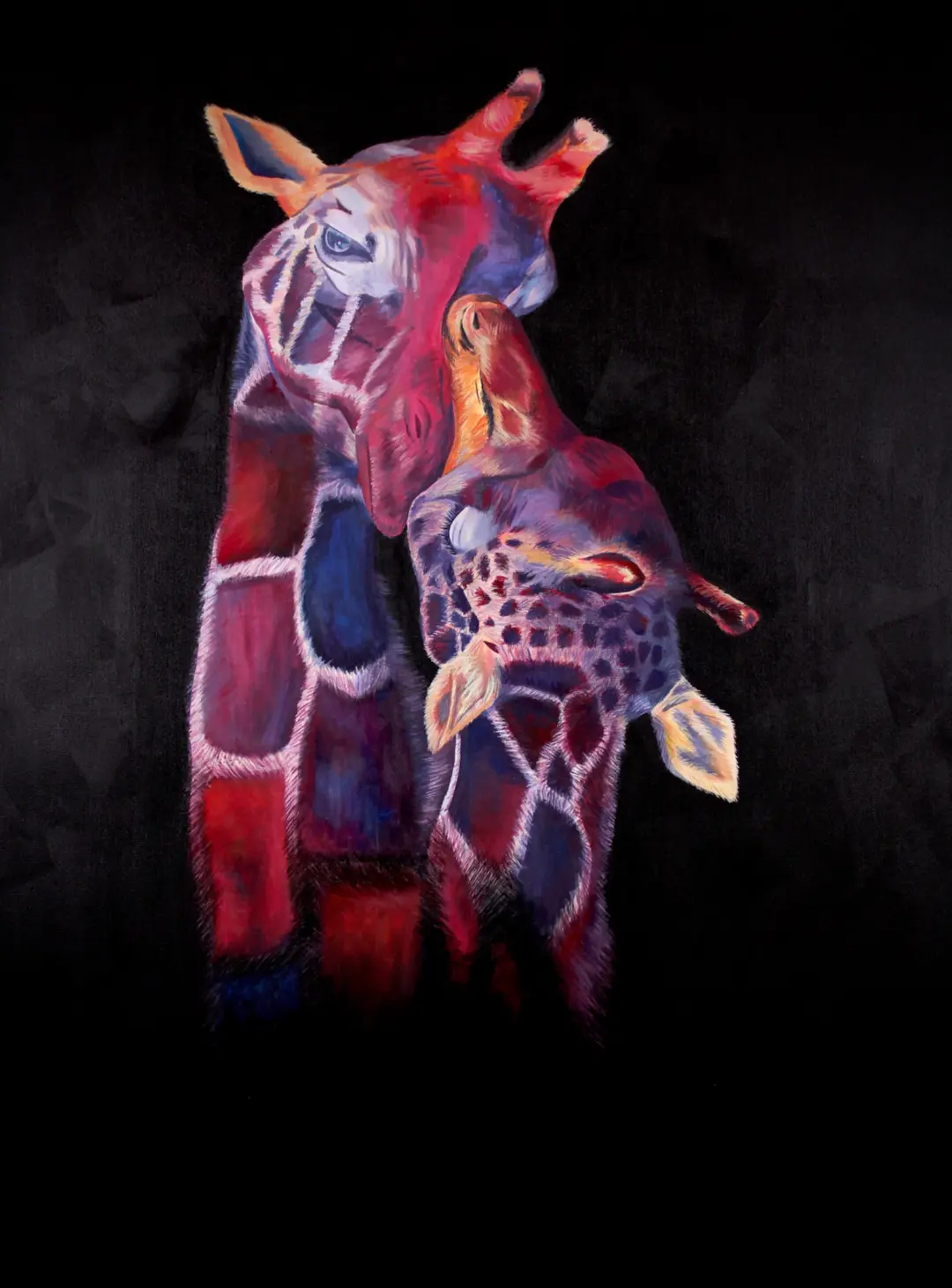
Daniela Savarese: Painting the People We Can Never Fully Know
On the emotional weight of quiet moments, a friendship spanning 25 years, and building a career without losing the pleasure of painting.
Interview by David Rozenfeld

Community story
Breathing Space: Leslie Menagh on Artspace Peterborough
The artist and arts administrator on creative collaboration, the relationships that sustain an artist-run centre, and making room for people to try something new.
Interview by David Rozenfeld
Community story
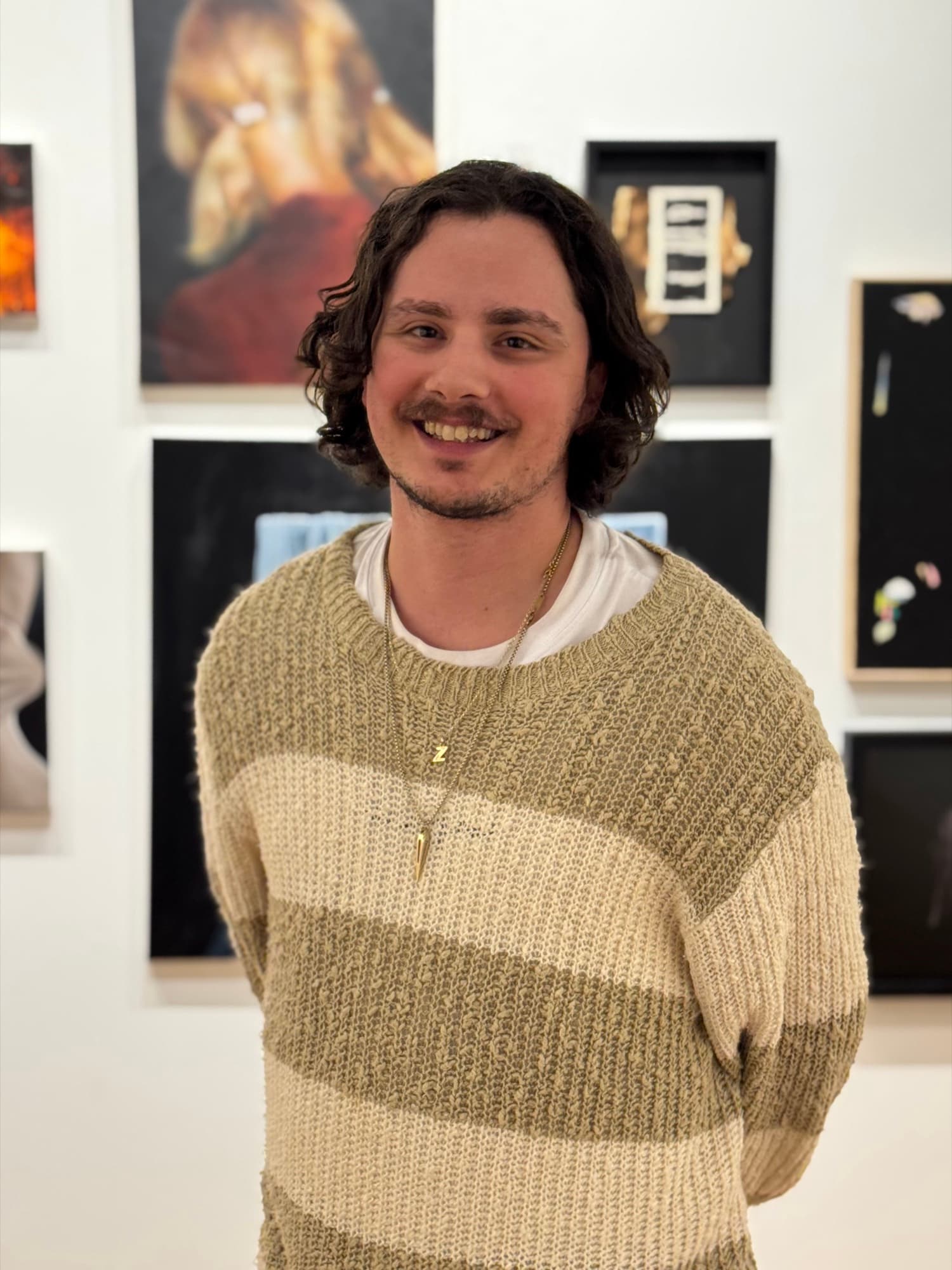
Abbozzo Gallery: Blake Zigrossi on Growing With Its Artists
The associate director on growing up in a family gallery, what makes an artist–gallery relationship work, and helping Canadian artists reach new audiences.
Interview by David Rozenfeld
Community story
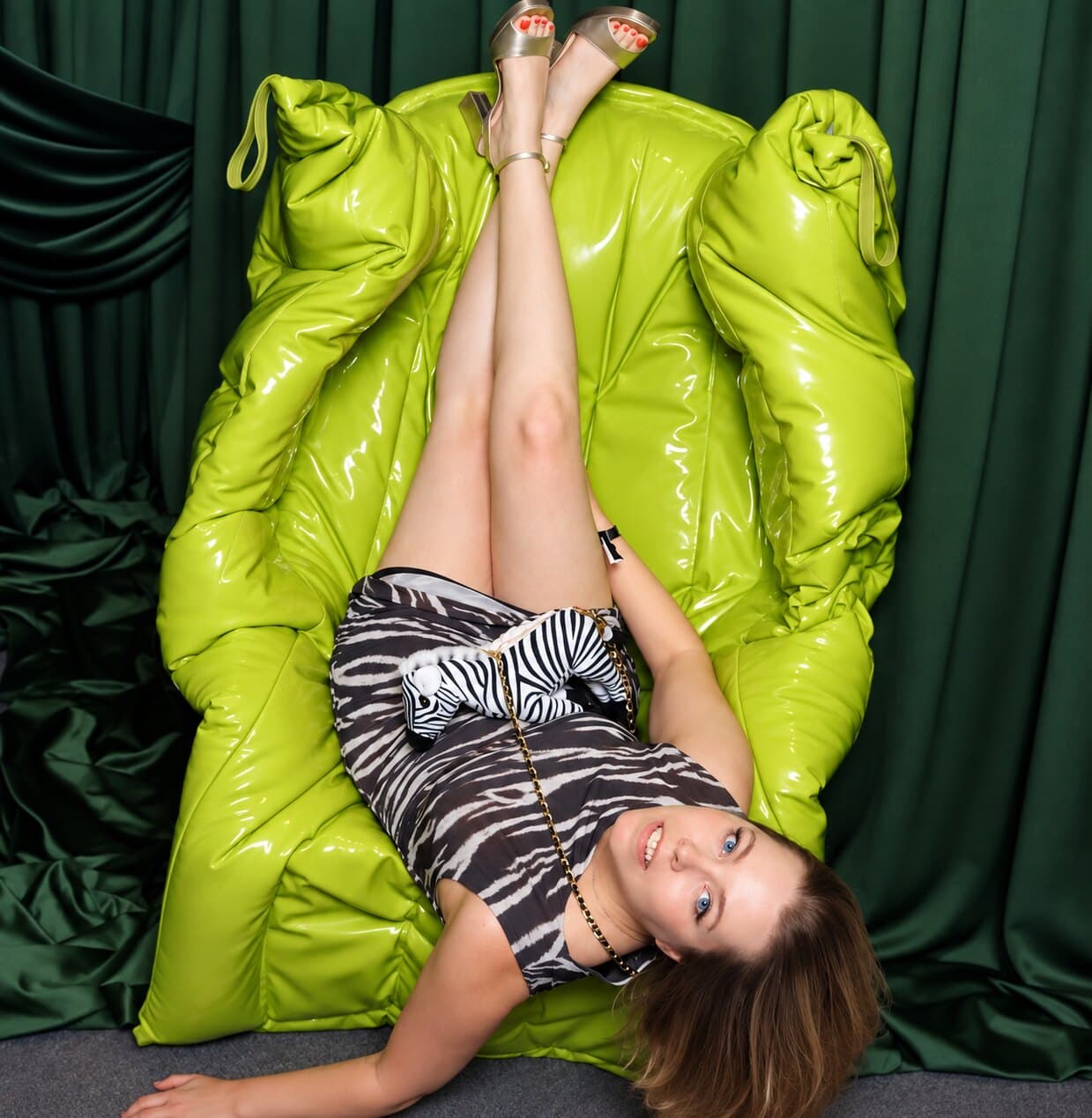
Kezleigh: The Wall Is the Canvas
The Toronto-based new media artist on giving digital paintings a physical form, finding a language for memory, and building a career one “yes” at a time.
Interview by David Rozenfeld
Community story
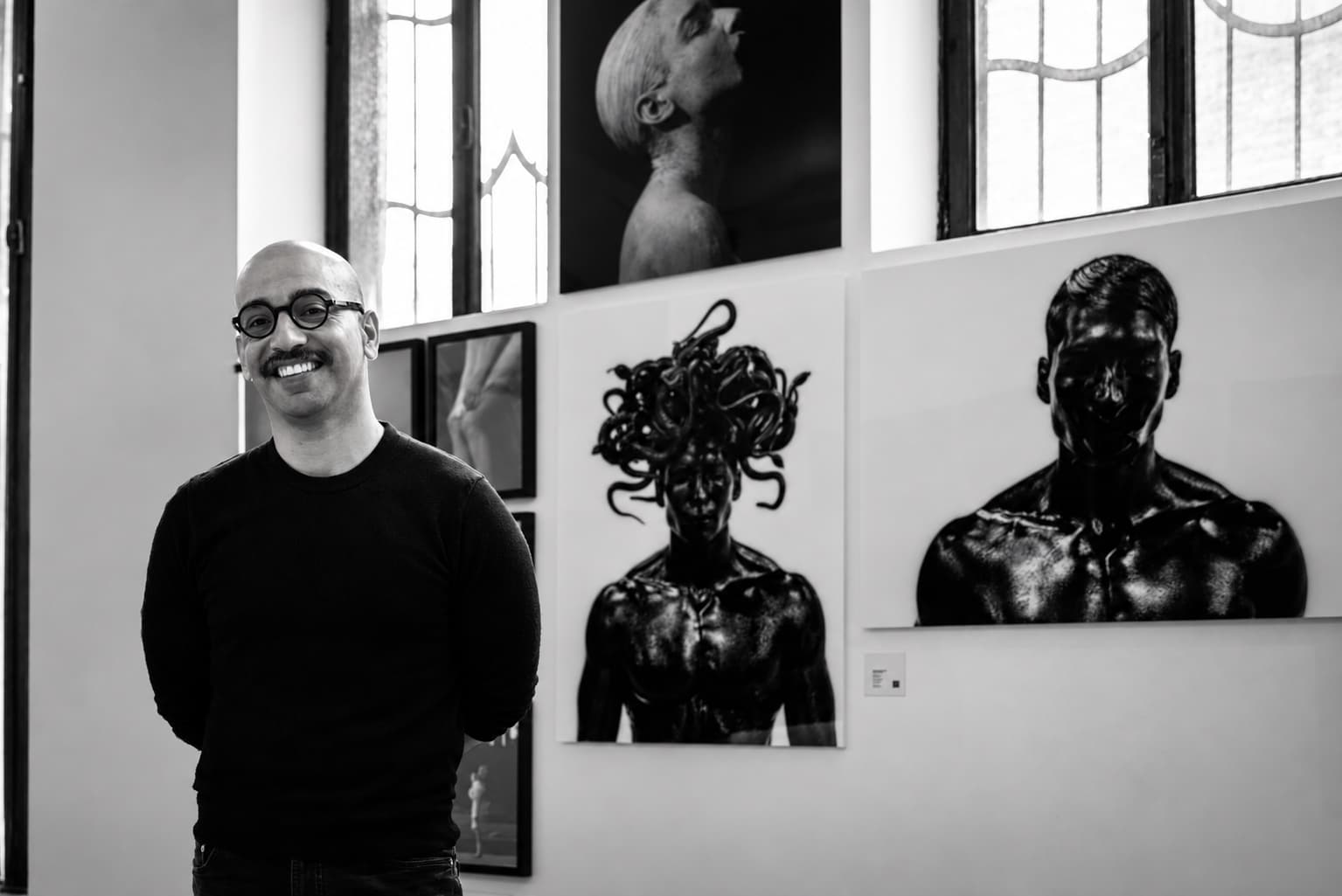
Rafael Montalvo: Sculpture in Reverse
The Puerto Rican artist on transforming living bodies into sculptural photographs, the pull of the sea and mythology, and the relationships that help an artistic practice find its audience.
Interview by David Rozenfeld
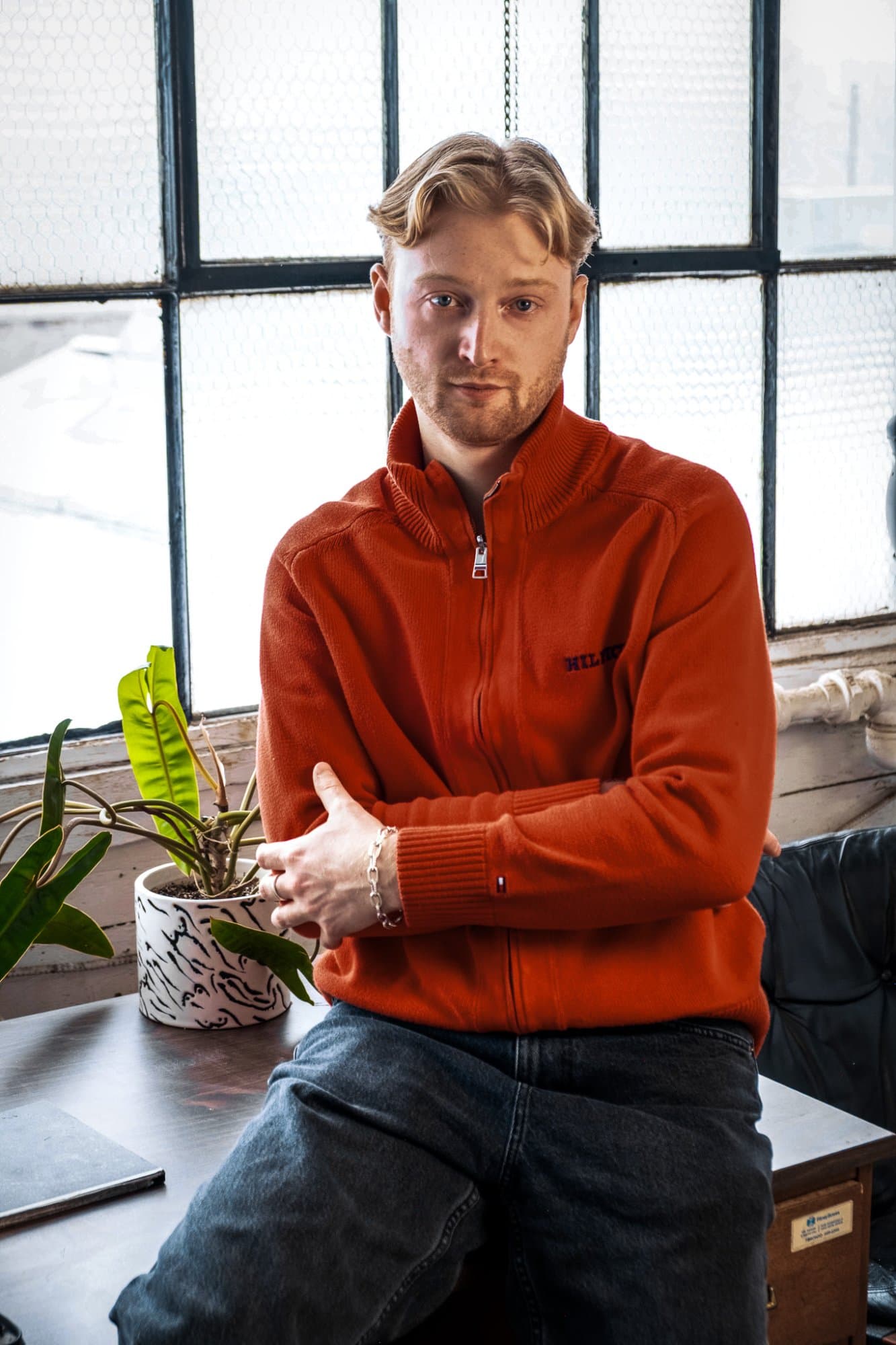
Community story
Ethan Platt paints bodies beyond the possible
Digital figures. Physical feeling. The Toronto painter on impossible poses, the pull of oil paint, and trusting the work itself.
Interview by David Rozenfeld
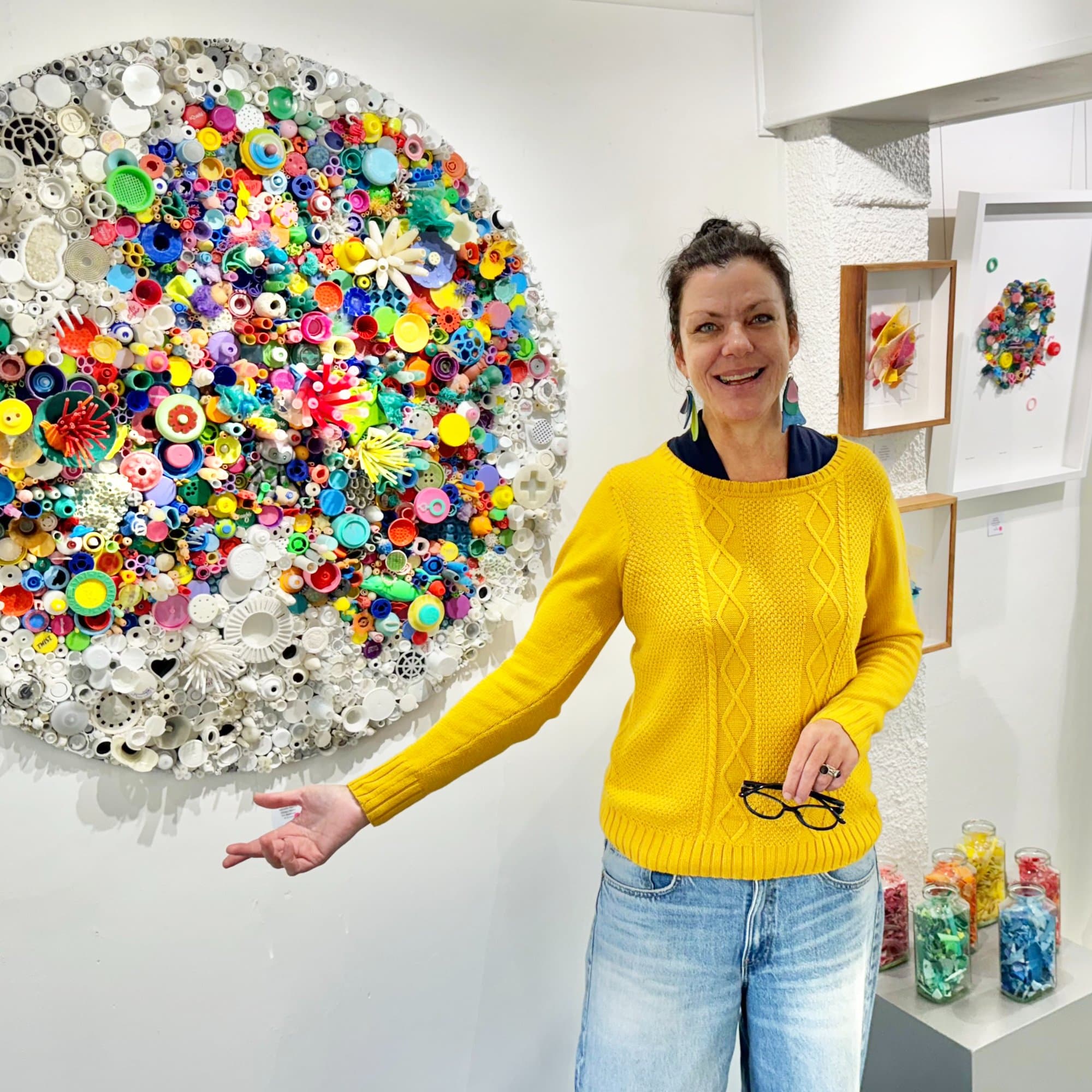
Community story
Michelle “MISHVANIA” Beattie on Ocean Plastic Sculpture
Beach-found plastic becomes coral reefs, anemones, and imagined underwater worlds. Inside Michelle Beattie’s practice on the Cape Town coast.
Interview by David Rozenfeld

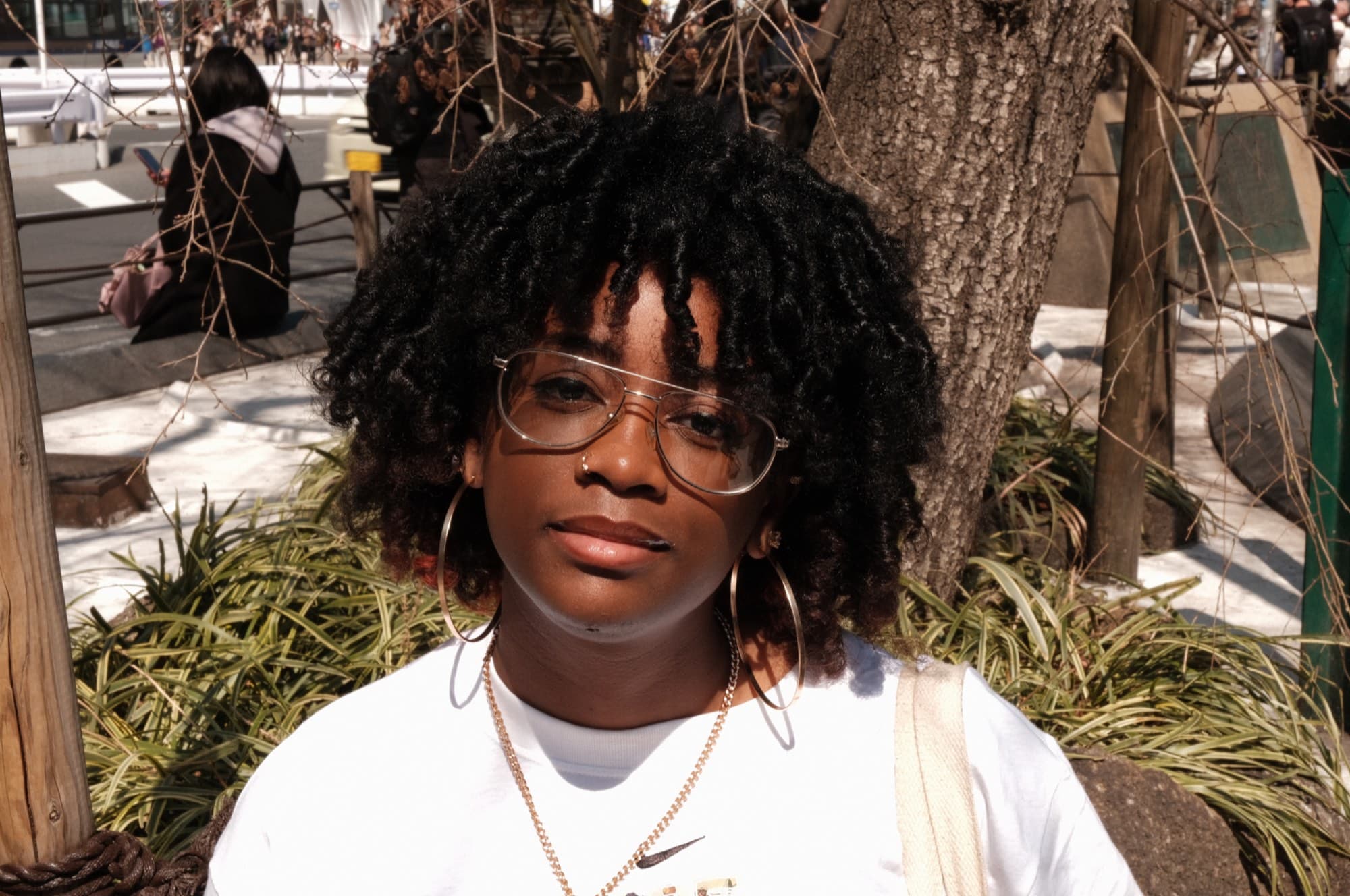
Community story
Emmette Lewis on Portrait Painting and Diasporic Memory
Family photographs become portraits in oil, textiles, and found materials. Emmette Lewis on memory, belonging, and the people who shape her work.
Interview by David Rozenfeld
Community story
Ruth “Rutamfi” Burotte on 3D Character Art and Diaspora
From street art to digital sculpture, Ruth “Rutamfi” Burotte builds characters with their own stories. A conversation about play, identity, and community.
Interview by David Rozenfeld
Used by artists working with
Artsume has programs from arts organizations around the world















Part of your Artsume profile
And the profile behind it.
What you get:
- Present your work and career in your professional art resume.
- Keep your CV current as your career develops.
- Find opportunities matched to your work and experience.
- See how often your profile and works are opened.
- Keep every opportunity, deadline and application in one place.
- Message organizations and peers without leaving Artsume.
Build your portfolio, and the profile behind it. It's free.
Free to join · No credit card required