The Free Artist CV Builder
Build an arts-formatted CV from the career record you keep on Artsume. CAA-style sections stay in one place.
No credit card required
Add your experience once. Use it everywhere.
Build a living artist CV that grows with your career. Track solo and group exhibitions, education, residencies, grants, awards, publications, press, talks and panels, collections, commissions, and projects. Keep it current alongside your portfolio and profile, and let organizations confirm the credits they awarded you.
Formatted in the CAA convention.
Consistent section order and credit formatting, automatically. Present it to any gallery, jury, or organization with confidence.
Linked to your portfolio.
Every CV credit can open the actual work. A juror reading your CV can click through to see the piece being described.
Download as PDF, instantly.
One click exports a perfectly formatted PDF, ready to attach to any application, grant, or submission.
Three steps to get set up.
Add your experience
Enter your exhibitions, awards, residencies, education, and more. Every credit type has the right details for CAA format.
Auto-formatted in the CAA convention
Artsume applies the correct section order, date formatting, and structure. No templates to wrestle with.
Download as PDF or share by link
Export a print-ready PDF in one click, or share your current CV link.
Your profile, CV, and portfolio are all included. Create your Artsume.
The CAA convention, applied for you. The layout galleries and juries expect.
Artsume formats your CV in the College Art Association convention. Add an exhibition or grant and your CV updates right away.
Download a print-ready PDF in one click.
When a gallery or grant jury asks for your CV, click download. The PDF is ready to send.
Share a link instead of an attachment.
Your CV has a shareable URL. Put it in your email signature, social bio, or grant application. Update the record as your career changes.
Linked to your portfolio. Every credit shows the actual work.
CV credits link to the portfolio works they represent. A reviewer clicks an exhibition listing and sees the pieces themselves.
What you get:
- Present your career history in a clear artist CV.
- Add a credit once and your CV updates.
- Download a print-ready PDF in one click.
- Send a link instead of an attachment.
- Link your credits to the work behind them.
Common questions. Straight answers.
What is an artist CV?
An artist CV (curriculum vitae) is the professional document listing all of an artist's exhibitions, awards, residencies, education, publications, and other career accomplishments. It is longer and more detailed than a standard resume.
What's the difference between an artist CV and an artist resume?
An artist CV is exhaustive. It includes everything and grows throughout your career. An artist resume is a condensed 1-2 page summary. Galleries and grant organizations typically ask for a CV; employers outside the arts may ask for a resume.
What is CAA CV format?
The College Art Association convention is the widely followed way of arranging an artist CV: credits grouped into sections (Education, Exhibitions, Awards, Residencies…), consistent date formats, and venues and locations structured the same way on every line. Artsume applies that formatting.
What sections should I include in my artist CV?
The standard sections are: Education, Solo Exhibitions, Group Exhibitions, Awards & Grants, Residencies, Collections, Publications & Press, and Professional Experience. Order them with the most recent credit first within each section.
Can I download my artist CV as a PDF?
Yes. Artsume generates a print-ready PDF from your CV with one click, using the same credit formatting as your online CV.
How do I share my CV with a gallery or grant jury?
Every Artsume profile has a shareable URL (artsume.com/a/your-name). Share the link, or download a PDF for an application. Update the record as your career changes.
Is Artsume's artist CV builder really free?
Yes. Artsume is free for artists. The portfolio, CV builder, and shareable profile link are included.
What to include in your artist CV
Artist CV example for a complete career record
A full artist CV keeps separate sections for solo and group exhibitions, education, awards, residencies, publications, collections, and professional experience. An exhibition line records the year, title, venue, and city. A publication line records the year, title, publication, and author when available. Keep each section in reverse chronological order. Include relevant earlier credits as well as recent work, then select from this record when an application requests a shorter resume.
What is an artist CV?
An artist CV (curriculum vitae) is the full record of an artist's professional career: exhibitions, awards, residencies, education, publications, and more. Unlike a standard resume, an artist CV grows over many pages throughout your career. It is the primary document requested by galleries, grant jurors, residency programs, and collectors.
Artist CV vs. resume: what's the difference?
An artist CV is exhaustive and career-long. An artist resume is a one-to-two page summary of the highlights. Galleries and grant panels almost always ask for a CV. Employers and non-arts institutions may ask for a resume. Artsume generates both from the same data.
What sections does an artist CV need?
A standard artist CV includes: Education, Solo Exhibitions, Group Exhibitions, Awards & Grants, Residencies, Collections, Publications & Press, and Professional Experience. That is the conventional order, with the most recent credits first within each section. It is the order Artsume applies.
What is CAA format?
The College Art Association convention is the arrangement of an artist CV that galleries, universities and grant juries in North America are used to reading: credits grouped by section, venue and location structured the same way on every line, and dates formatted consistently.
How long should an artist CV be?
As long as it needs to be. Unlike a professional resume that caps at two pages, an artist CV grows with your career. Early-career artists may have one or two pages. Established artists may have ten or more. Include everything. Galleries and jurors read what is relevant to their context.
Read the interview“Then I found the artist card and the CV that you can download. Updating a CV can be so taxing, so I love that part.”
The people behind the work.

Community story
Daniela Savarese: Painting the People We Can Never Fully Know
On the emotional weight of quiet moments, a friendship spanning 25 years, and building a career without losing the pleasure of painting.
Interview by David Rozenfeld

Community story
Breathing Space: Leslie Menagh on Artspace Peterborough
The artist and arts administrator on creative collaboration, the relationships that sustain an artist-run centre, and making room for people to try something new.
Interview by David Rozenfeld
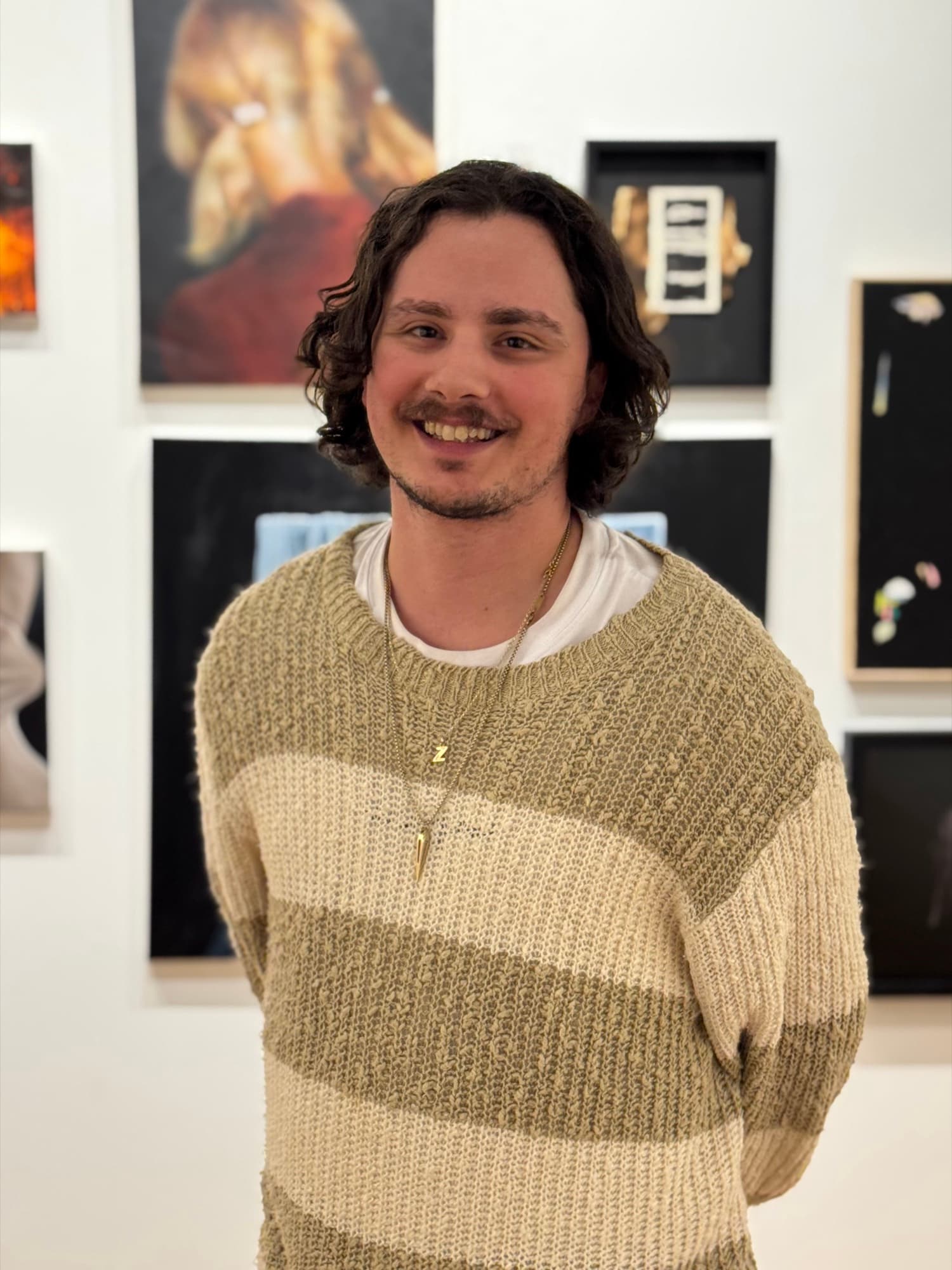
Community story
Abbozzo Gallery: Blake Zigrossi on Growing With Its Artists
The associate director on growing up in a family gallery, what makes an artist–gallery relationship work, and helping Canadian artists reach new audiences.
Interview by David Rozenfeld
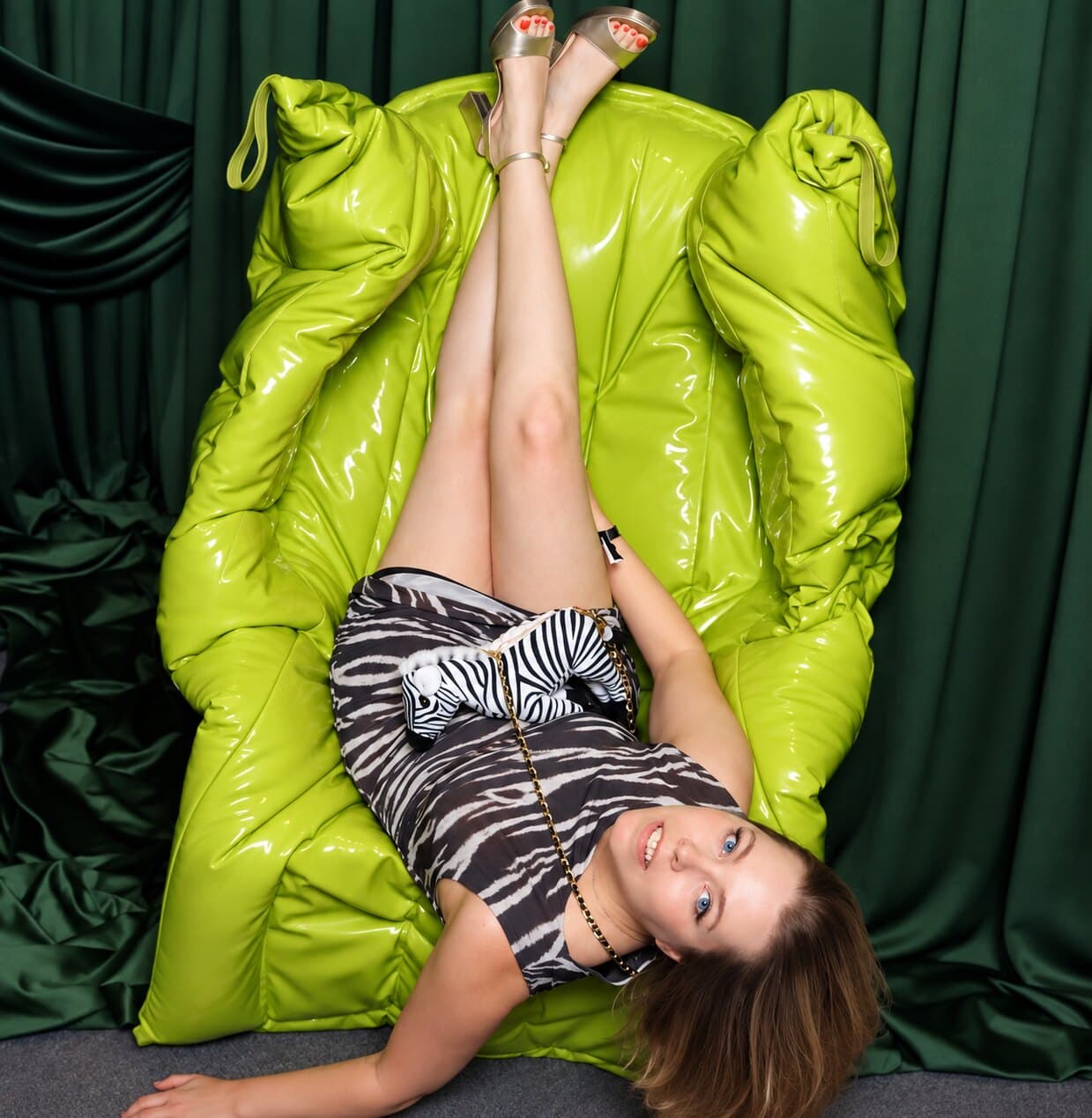
Community story
Kezleigh: The Wall Is the Canvas
The Toronto-based new media artist on giving digital paintings a physical form, finding a language for memory, and building a career one “yes” at a time.
Interview by David Rozenfeld
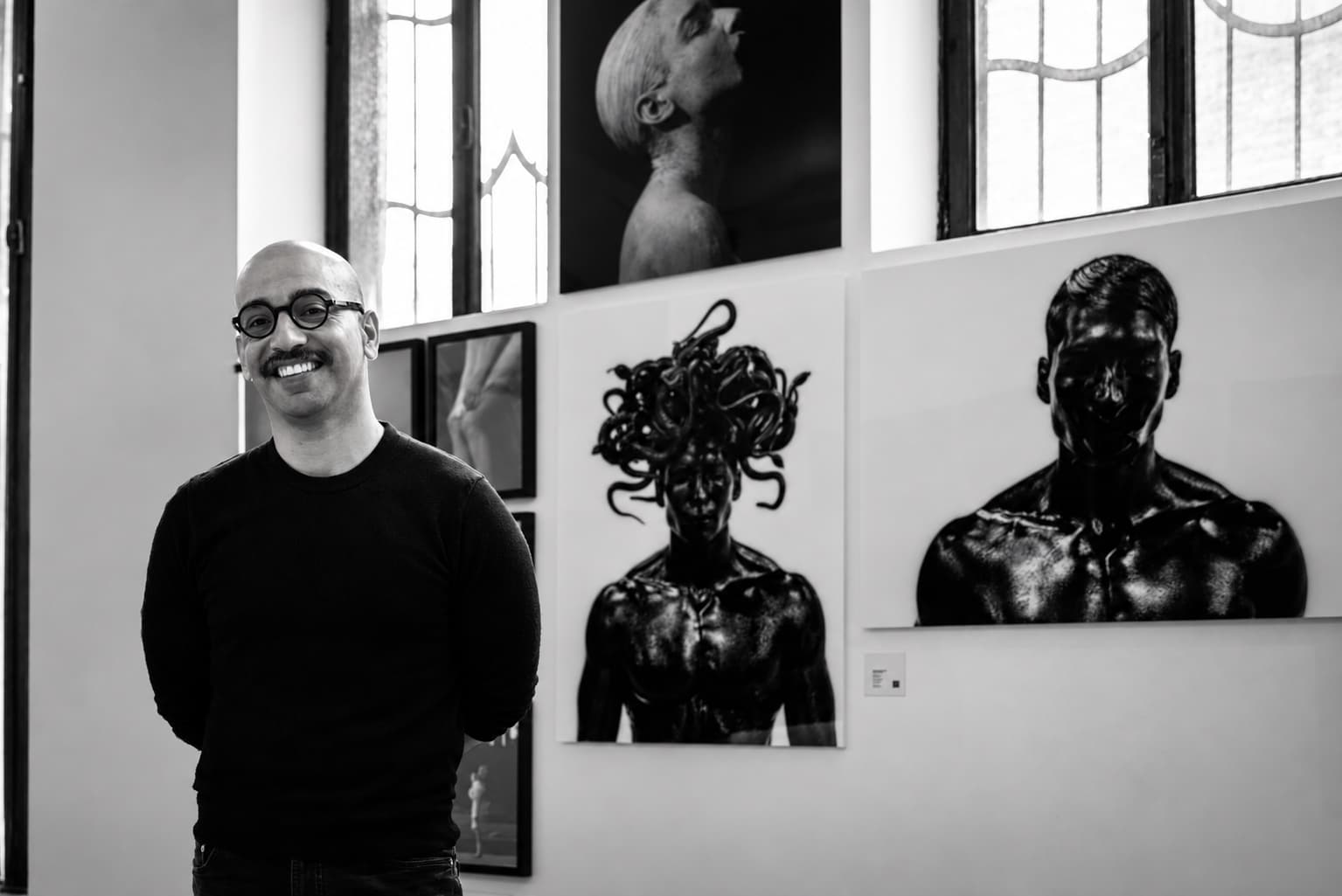
Community story
Rafael Montalvo: Sculpture in Reverse
The Puerto Rican artist on transforming living bodies into sculptural photographs, the pull of the sea and mythology, and the relationships that help an artistic practice find its audience.
Interview by David Rozenfeld
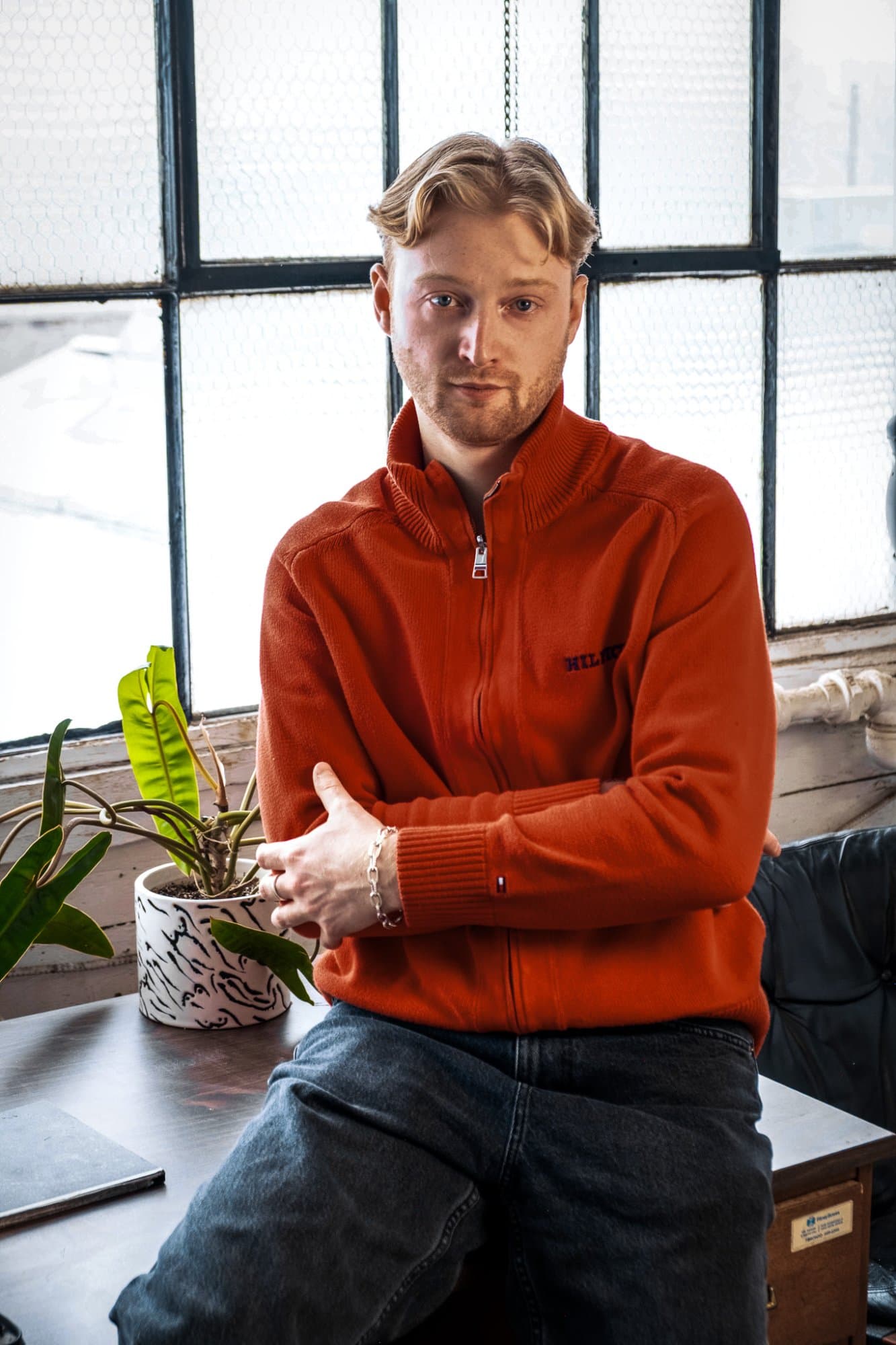
Community story
Ethan Platt paints bodies beyond the possible
Digital figures. Physical feeling. The Toronto painter on impossible poses, the pull of oil paint, and trusting the work itself.
Interview by David Rozenfeld
Community story
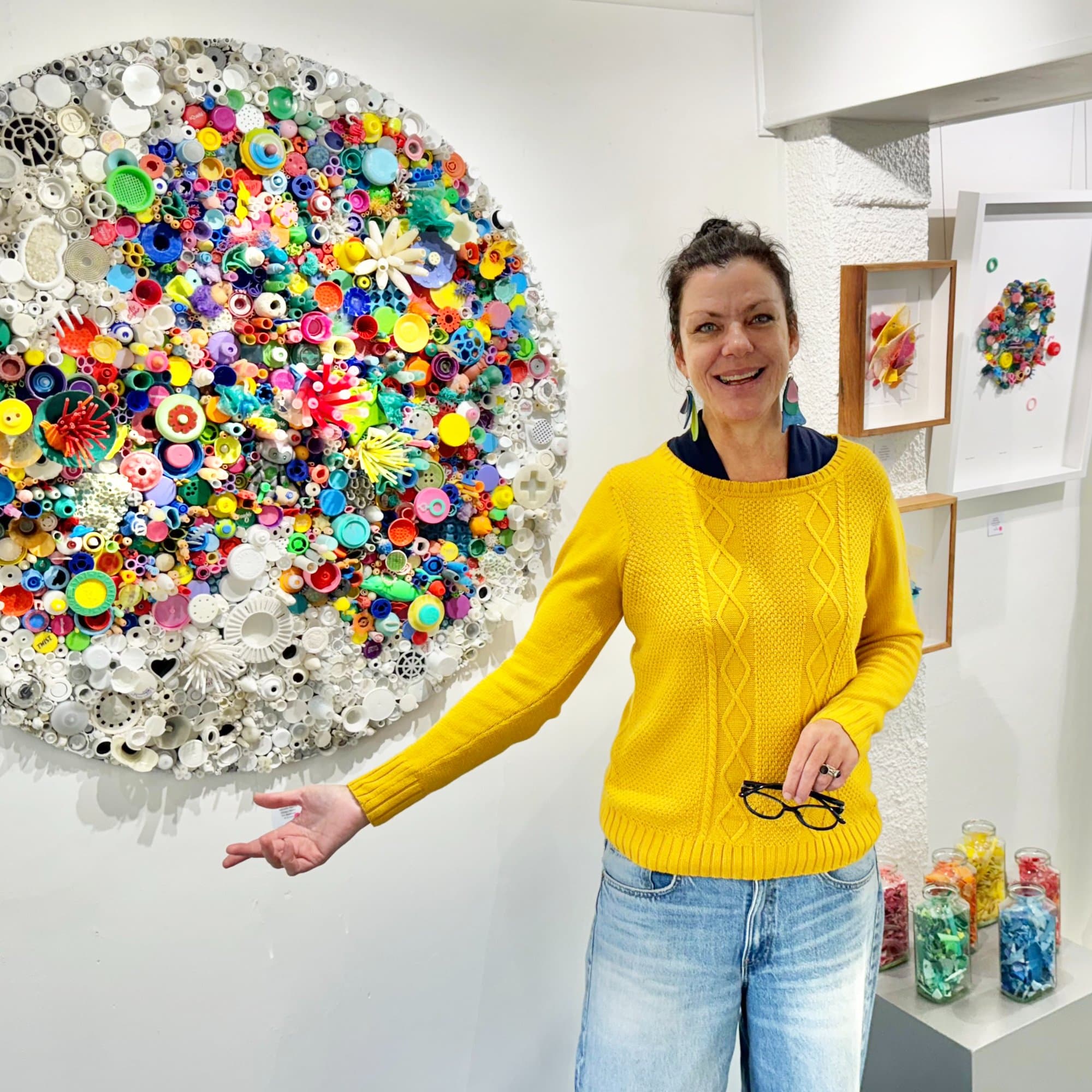
Michelle “MISHVANIA” Beattie on Ocean Plastic Sculpture
Beach-found plastic becomes coral reefs, anemones, and imagined underwater worlds. Inside Michelle Beattie’s practice on the Cape Town coast.
Interview by David Rozenfeld

Community story
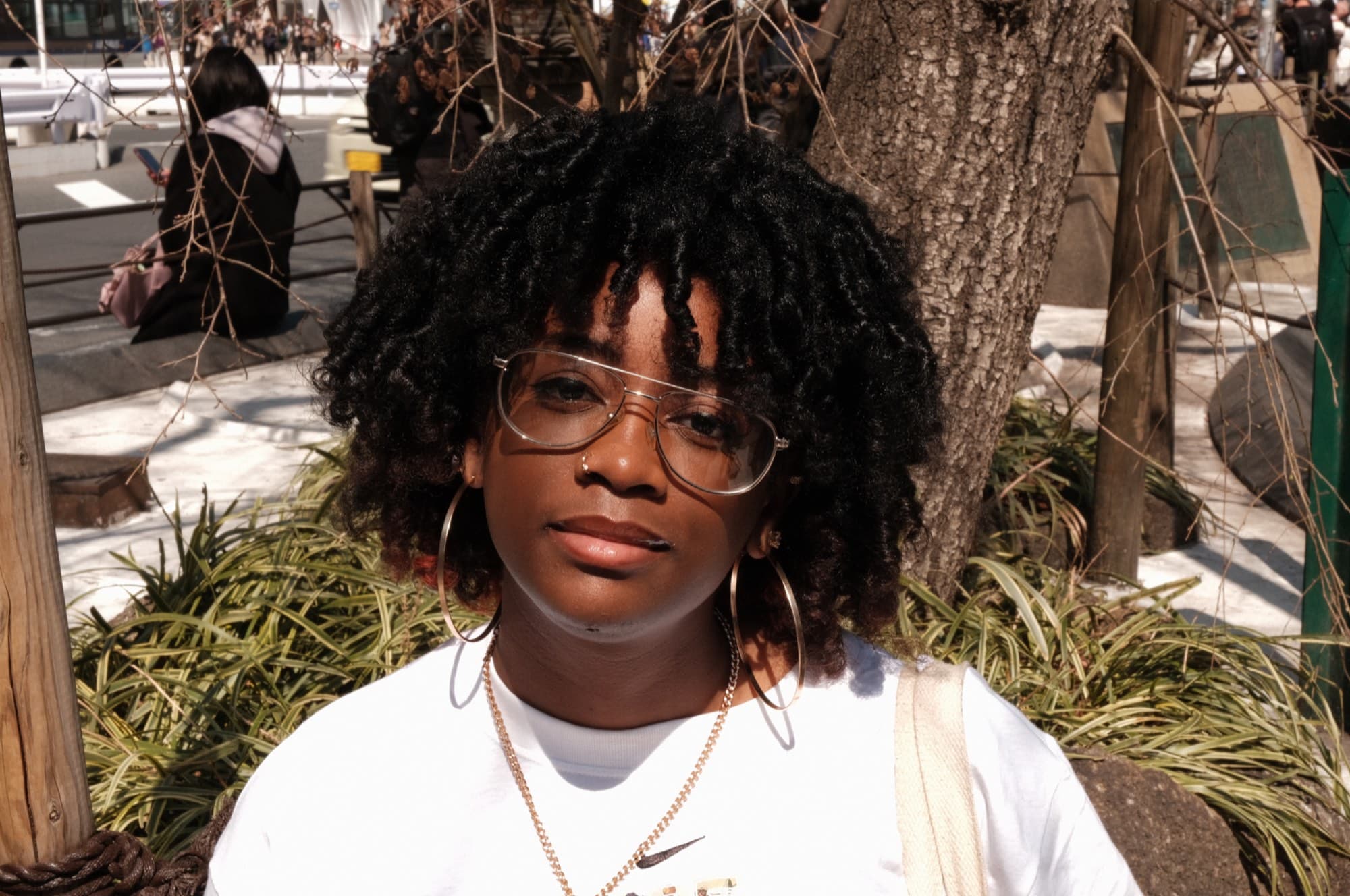
Emmette Lewis on Portrait Painting and Diasporic Memory
Family photographs become portraits in oil, textiles, and found materials. Emmette Lewis on memory, belonging, and the people who shape her work.
Interview by David Rozenfeld
Community story
Ruth “Rutamfi” Burotte on 3D Character Art and Diaspora
From street art to digital sculpture, Ruth “Rutamfi” Burotte builds characters with their own stories. A conversation about play, identity, and community.
Interview by David Rozenfeld
Used by artists working with
Artsume has programs from arts organizations around the world






Part of your Artsume profile
And the profile behind it.
What you get:
- Present your work and career in your professional art resume.
- Keep your CV current as your career develops.
- Find opportunities matched to your work and experience.
- See how often your profile and works are opened.
- Keep every opportunity, deadline and application in one place.
- Message organizations and peers without leaving Artsume.
Build your CV, and the profile behind it. It's free.
Free to join · No credit card required