Art Competitions and Prizes: How to Enter and Win
Enter art competitions and prizes with a clear head. How to find them, judge which entry fees are worth paying, and what juries reward in a ranked field.
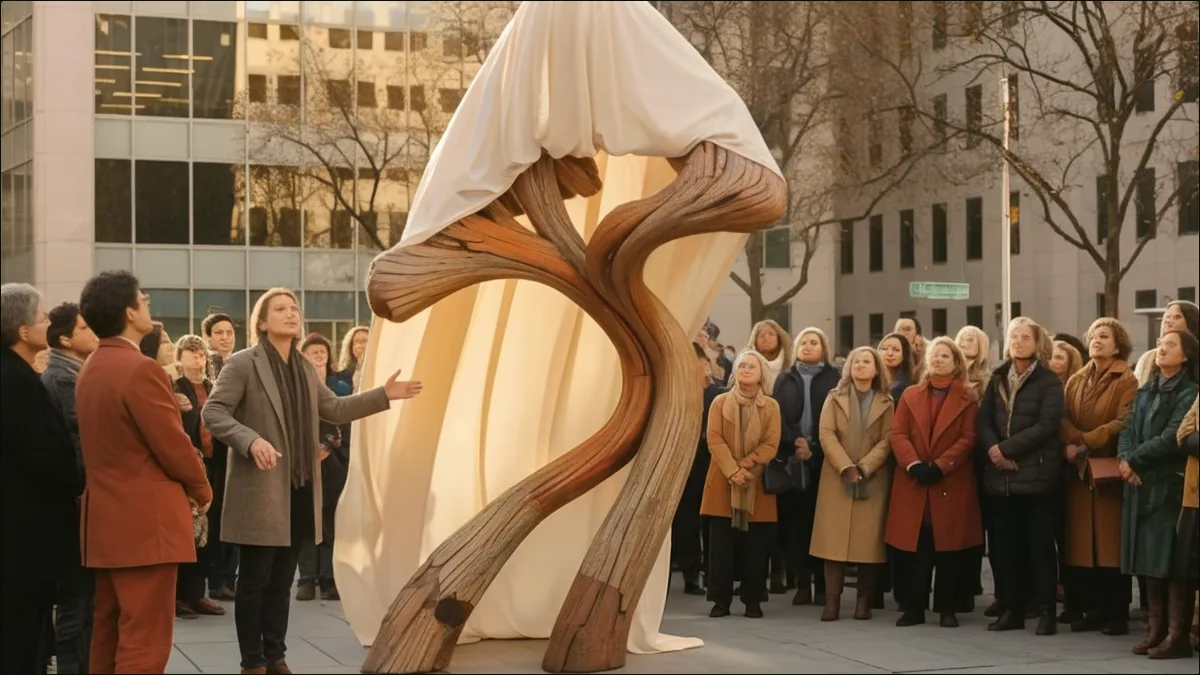
 Outdoor sculpture garden exhibition with art competition prize winners
Competitions are the one art opportunity that comes with a scoreboard. A jury ranks the entries, prizes go to the top, and everyone else has paid an entry fee for a rejection. Worth understanding that trade before you spend a season's application budget.
What Are Art Competitions?
Art competitions are juried opportunities where artists submit work for evaluation against predetermined criteria, competing for prizes, recognition, and exhibition opportunities. Unlike open calls focused primarily on group exhibitions, competitions explicitly rank entries and award prizes to standout works.
Prizes range from $500 to $50,000 and up. The money is the obvious part. Placing in a reputable competition also produces a CV line with verifiable weight behind it, and the better-known prizes bring press coverage and collector attention with them.
Types of Art Competitions
Competition Types Compared
| Type | Entry Fee | Prize Range | Competition Level |
|---|---|---|---|
| Local/Regional | $15-35 | $500-$5,000 | Moderate |
| National Juried | $35-50 | $1,000-$25,000 | High |
| International | $25-75 | $5,000-$100,000+ | Very High |
| Media-Specific | $25-50 | $1,000-$20,000 | Moderate-High |
| Emerging Artist | $0-35 | $1,000-$10,000 | Moderate |
Cash Prize Competitions
These competitions offer monetary awards as primary prizes. Major competitions like the Bennett Prize ($50,000), Outwin Boochever Portrait Competition ($25,000), and AXA Art Prize ($10,000+) provide life-changing support for winners. Smaller regional competitions typically offer $500-$5,000 prizes.
Cash prizes buy equipment, studio space, or time away from a day job. Even modest prizes can fund a real stretch of studio work.
Exhibition-Based Competitions
Many competitions culminate in exhibitions of the winning and selected work. The exposure from competitive exhibitions often proves more valuable than modest cash awards. These exhibitions frequently occur at notable venues such as museums, university galleries, and established arts organizations, adding significant CV credentials. If exhibition is your actual goal, juried art shows run on the same selection logic and are usually cheaper to enter.
Purchase Awards
Some competitions include purchase awards where winning work enters institutional or private collections. Having work acquired through competitive selection demonstrates market validation and curatorial endorsement. Purchase awards typically range from $1,000 to $10,000, with the artwork permanently entering the collection.
Themed Competitions
Themed competitions focus on specific subjects, media, or concepts: portraiture, landscape, social justice, sustainability, or particular materials. A themed call lets you position existing work within a focused context, or develop new work in response to the theme.
Who a Competition Is For
Many competitions target a specific career stage, whether emerging artist prizes, mid-career awards, or lifetime achievement recognition. Matching your stage to the right competition means being evaluated against a fair peer group instead of against artists twenty years ahead of you.
Geography works the same way. Regional competitions celebrate and support artists from specific areas and build local reputation; national competitions draw broader applicant pools but offer greater visibility. Both are worth entering, for different reasons.
Major Art Competitions
Major prizes like the Turner Prize and Hugo Boss Prize set the standards the rest of the field is measured against, and organizations like Americans for the Arts track competition trends across the sector. Knowing the top of the field helps you place yourself accurately within it.
At the top of the US field, The Bennett Prize is the largest prize for women figurative realist painters at $50,000, and its biennial cycle generates substantial media coverage for the winner. The Outwin Boochever Portrait Competition, organized by the Smithsonian's National Portrait Gallery, awards $25,000 to first prize and acquires the winning work for the permanent collection. The AXA Art Prize focuses on emerging artists and pairs its monetary awards with mentorship and professional development.
Internationally, the BP Portrait Award at London's National Portrait Gallery is one of the most prestigious portrait competitions there is, drawing thousands of entries worldwide against prize money totalling over £74,000. The Kingston Prize, Canada's most significant portrait prize, offers $50,000 CAD and tours the finalists' work extensively, which means finalists get real career impact even without the top prize.
Below that tier sit the awards most artists should actually be entering. The American Art Awards recognize excellence across multiple categories and career stages, so a wide range of practices can find a category. The Hopper Prize, the Bombay Sapphire Artisan Series, and state-level arts awards are more accessible entry points, and most regions have their own equivalents worth researching.
How Competition Selection Works
Competition juries typically include curators, critics, collectors, and established artists. Some competitions use rotating panels; others maintain consistent voices across years. Research previous juries to understand the perspectives your work will meet.
Evaluation Criteria
Stated criteria guide jury decisions. Common criteria include:
- Artistic merit and technical accomplishment
- Originality and creative vision
- Relevance to competition theme (if applicable)
- Professional presentation and documentation quality
Read criteria carefully. Applications ignoring stated criteria rarely succeed regardless of work quality.
Portfolio vs. Single Work Submissions
Competitions differ in what they request. Single-work submissions evaluate individual pieces in isolation, so you are choosing your one best photograph-ready piece. Portfolio submissions assess bodies of work and overall practice, which rewards coherence over any single knockout image. Series submissions sit between the two, considering groups of related works. Match your strategy to what the competition asked for; a portfolio approach and a single-best-piece approach pull in different directions.
Anonymous vs. Identified Review
Some competitions conduct blind review, evaluating work without knowing artist identities. Others review applications with full artist information visible. Blind review prioritizes work quality alone; identified review may also consider career trajectory and context.
Submitting Competitive Entries
Select Your Strongest Work
Competition success depends on work quality above all else. Submit your absolute best work, even if it means entering fewer competitions. One excellent entry outperforms multiple mediocre submissions.
Consider:
- Which pieces generate the strongest viewer response?
- What work represents your most developed artistic vision?
- Which pieces photograph exceptionally well?
That last question is not a tiebreaker. Juries see images, not actual work, so a strong piece that documents badly is a weak entry.
Invest in Documentation
Professional documentation distinguishes serious artists from casual entrants. Hire a photographer or learn proper lighting and capture yourself, get the color reproduction accurate, shoot against plain backgrounds that do not compete with the work, and follow the stated specifications exactly on dimensions, file format, and resolution.
Weak documentation undermines strong work. Juries cannot award prizes to work they cannot properly see.
Write Effective Artist Statements
Many competitions require artist statements contextualizing submitted work. Effective statements are:
- Concise (usually 150-300 words)
- Specific to the submitted work (not generic career summaries)
- Free of jargon and pretension
- Clear about materials, process, and intention
Describe what viewers see and why you made those choices. Avoid explaining what your work "means" and let the work communicate its own meaning while you provide context.
Meet All Technical Requirements
Competitions disqualify entries failing to meet requirements. Before submitting:
- Verify file formats, dimensions, and resolution
- Check word counts and character limits
- Confirm entry fees are paid
- Ensure work meets eligibility criteria (medium, size, date created)
- Submit before deadlines (not at the last minute)
Technical disqualification wastes entry fees and preparation effort. Review requirements multiple times before submitting. The broader habits behind this are covered in best practices for applying to art opportunities.
Consider Entry Fees Strategically
Most competitions charge entry fees, and $25-$75 is typical. Treat fees as professional investment but set a competition budget for the year and spend it where your work fits strongest.
Avoid fee-heavy competitions with unclear prize structures or unknown organizers. Reputable competitions have transparent processes and established track records.
Building a Competition Strategy
Random competition entry rarely produces results. A little planning protects both your money and your time.
Research Thoroughly
Before entering any competition, review previous winners and finalists, understand the jury's perspective and selection patterns, assess whether your work fits the competition's aesthetic, and verify the organization's legitimacy and track record.
If previous winners share nothing in common with your practice, the competition may not suit your work regardless of its quality.
Track Deadlines Systematically
Competition deadlines cluster seasonally, so a year-view calendar is worth building. For each opportunity, record the name and deadline, the entry requirements and fees, whether you have applied before, and what came of it. That last column is the one that gets skipped and the one that eventually tells you where your work actually lands.
A spreadsheet does this fine. So does Artsume's application tracker, which keeps deadlines, statuses, and results in one place instead of in a file you forget to open.
Apply Consistently
Competition success often requires persistent application. Many prizewinners entered multiple times before winning. Track your applications and refine approaches based on results.
Rejection does not mean your work lacks merit. It means that particular jury, in that particular year, selected different work.
Specialize, Then Stretch
Focusing on one competition type (portraiture, landscape, a specific medium) lets you build expertise and recognition in a narrower field, and it makes the relevant opportunities much easier to spot. Around that core, apply to both the prestigious competitions and the accessible ones. Prestigious competitions offer greater career impact at lower odds; regional and emerging-artist competitions offer better odds and still produce real credentials.
What Happens When You Win
Publicity and Promotion
Reputable competitions publicize winners through press releases, social media, and media outreach. This exposure introduces your work to collectors, curators, and other artists. Maximize it by sharing the announcement on your own channels, thanking the organizers publicly, updating your CV and website the same week, and contacting press and critics who cover your field.
Exhibition Opportunities
Many competitions include exhibition for winners and finalists. These exhibitions generate additional visibility and often attract collectors specifically interested in competition-validated work. Treat opening events as networking opportunities.
Building on Momentum
A win is worth more to the next application than to the one that produced it. It strengthens subsequent grant and residency applications, gives you something concrete to lead with when approaching galleries, and puts you in front of collectors who follow competition results. That only works if the credential is written down where a reviewer will see it, so update your artist CV the week the news lands rather than the week before the next deadline.
Handling Prize Money
Competition prizes are taxable income. Budget for the tax bill before you spend the award, and read up on artist taxes and business structure if this is your first significant prize. What is left over is best spent on the practice: equipment, studio improvements, documentation, or unbroken working time.
Competition success rarely comes overnight. Most prizewinners applied repeatedly across multiple competitions before winning. View each application as practice, refining documentation, statements, and work selection, that eventually produces results.
Common Competition Mistakes
The expensive mistake is entering a mismatched competition. Submitting abstract work to a realist prize wastes the fee before the jury has read a word. Study previous winners; if your work shares nothing with typical selections, spend the money elsewhere.
The avoidable ones are technical. Juries evaluate images, so weak documentation kills strong applications. Disqualification for a wrong file format or an exceeded word limit throws away the whole preparation effort, which is why requirements are worth reading twice. Last-minute submissions multiply both problems, since platform failures and oversights arrive exactly when there is no time left to fix them.
Two more are worth naming. Artist statements that could describe anyone's work give a jury nothing to hold onto. And while legitimate competitions charge reasonable fees, anything over $100 deserves real scrutiny of the organizer before you pay it.
Frequently Asked Questions
Are art competitions worth the entry fees?
Reputable competitions with clear prize structures, transparent selection processes, and track records of career impact justify reasonable fees ($25-$50). Consider fees as professional development investment. Avoid competitions with unclear organizers, excessive fees, or promises that seem too good.
How do I find legitimate art competitions?
Look for competitions organized by established institutions: museums, universities, arts councils, and known foundations. Check for verifiable previous winners, clear jury information, and transparent processes. Artist communities and professional organizations often share reputable opportunities.
Should I apply to competitions outside my medium or style?
Generally, no. Applying to competitions mismatched to your practice wastes entry fees and preparation time. Focus on opportunities where your work genuinely fits the stated criteria and aesthetic preferences evident in previous selections.
How many competitions should I enter per year?
Quality over quantity. Entering 5-10 well-matched competitions with strong applications produces better results than 30 hasty submissions. Budget competition fees and preparation time realistically. Focus effort on your best opportunities.
Do competition wins actually help careers?
Yes, particularly wins from reputable competitions with significant visibility. Competition credentials strengthen grant applications, gallery approaches, and professional credibility. Even finalist recognition provides valuable CV additions and demonstrates peer validation.
Finding Art Competition Opportunities
State and regional arts councils often maintain competition listings, and national organizations like Americans for the Arts compile opportunities across the field. Aggregators cover the rest: CallforEntry (Café), Submittable, and artist opportunity platforms collect calls across disciplines. On Artsume you can browse open competitions and calls filtered by discipline and deadline, and the applying to programs walkthrough covers what happens after you hit submit.
Two sources people underuse. Artist communities and professional networks circulate opportunities that never reach the aggregators, so being present in your field's conversations surfaces calls you would otherwise miss. And direct search still works: many competitions run their own sites and mailing lists, so subscribe to the ones aligned with your practice. The wider map of where calls come from is covered in how to find art opportunities.
Competitions are one funding source among several. Grants and project funding carry no entry fee and no ranking, and for most artists the two run in parallel rather than in competition.
Open prizes and awards on Artsume
View allCreate your Artsume to keep your work and experience ready for applications.
Where to Start
Documentation first, because everything else depends on it. Then research the competitions that match your practice and career stage, put their deadlines on a calendar you will actually look at, and enter consistently across a year rather than in one seasonal burst. Adjust based on what comes back.
Ready to enter art competitions?
Create your Artsume profile to maintain competition-ready documentation. A complete CV and organized portfolio mean you are ready whenever a deadline lands.