Artist Portfolio for Galleries: What Curators Want to See
Prepare a portfolio for galleries. What dealers evaluate, which materials to send, how to present the work, and what signals you are ready to show.
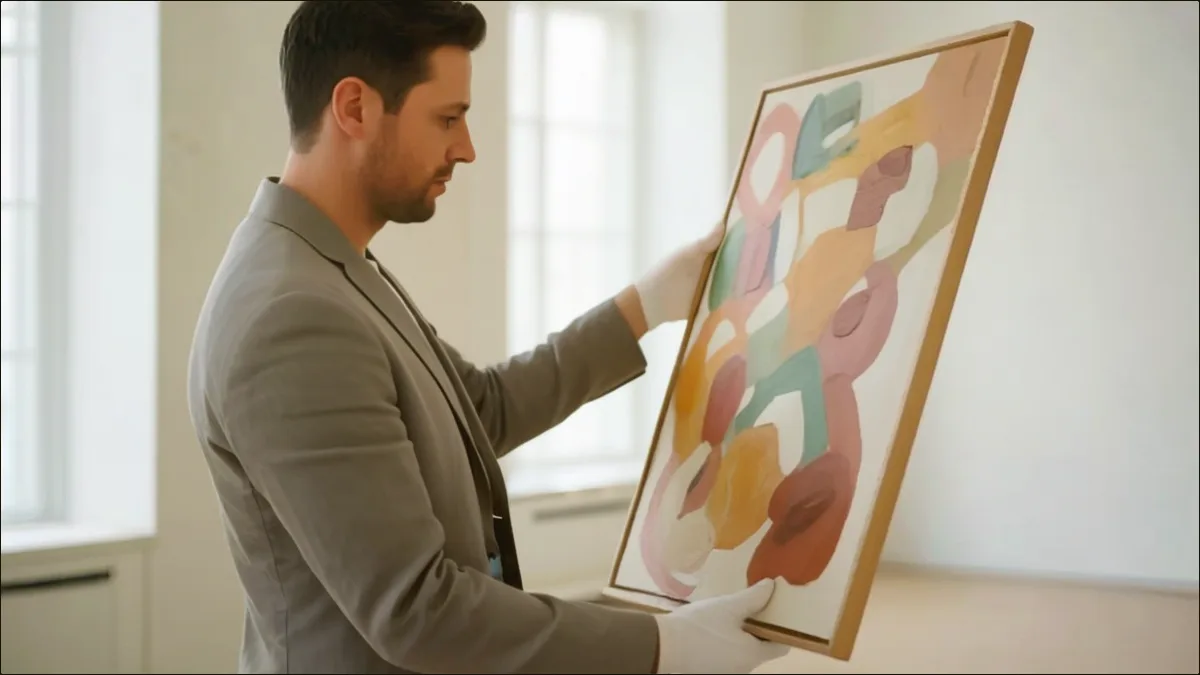 Gallery curator examining paintings during artist portfolio review
A gallery is a business that has to sell your work to keep its doors open. That single fact explains most of what a dealer looks for in a portfolio, and most of the reasons good submissions get passed over.
Gallery Review Priorities
| Element | Priority | What They Look For |
|---|---|---|
| Work Quality | Critical | Cohesive vision, technical skill |
| Documentation | Critical | Professional photos, accurate colors |
| Exhibition History | High | Active practice, trajectory |
| Artist Statement | High | Clear articulation |
| Market Readiness | Medium-High | Pricing, editions |
| Press/Reviews | Medium | Third-party validation |
Understanding Gallery Perspectives
Resources from Artnet and interviews with gallerists at Gagosian, Pace Gallery, and David Zwirner reveal what dealers prioritize when reviewing new artists.
Galleries review hundreds of artist submissions annually. Most are rejected not because the work lacks merit, but because submissions don't meet gallery needs or demonstrate professional readiness. Understanding what galleries evaluate helps you present more effectively.
Galleries need artists whose work sells, who handle professional obligations reliably, and whose practice develops in ways that sustain a long-term relationship. Your portfolio has to demonstrate professional viability alongside artistic quality.
What Galleries Evaluate
Artistic Vision and Consistency
Galleries want artists with clear, recognizable practices. They seek distinctive voices that stand out in crowded markets and develop coherently over time.
What they look for:
- Identifiable artistic vision
- Consistent quality across works
- Evidence of ongoing development
- Work that contributes something unique
What concerns them:
- Scattered, directionless practices
- Dramatic stylistic shifts without clear rationale
- Work that looks like everyone else's
- Stagnant practices showing no evolution
Technical Accomplishment
Regardless of style or medium, galleries expect professional-level execution: mastery appropriate to your medium, consistent quality from piece to piece, and finishing that holds up in person. Technical issues visible in documentation suggest bigger problems in the actual work, which is why sloppy images do double damage.
Market Viability
Galleries must sell work to survive. They are assessing whether your work will appeal to their particular collector base and whether it prices sensibly for their position in the market. Scale and format matter here more than artists expect: work that cannot fit through a collector's door, or that costs more to crate than it sells for, is a harder yes. If you have never set prices formally, how to price your artwork covers the formulas dealers expect you to already understand.
Professional Readiness
Galleries invest significant resources in representation relationships. They need confidence in artists' reliability, communication, and professional conduct.
Evidence of readiness:
- Organized, professional application materials
- Consistent exhibition history
- Reliable communication
- Understanding of gallery operations
Preparing Your Gallery Portfolio
Curate Ruthlessly
For gallery approaches, show only your strongest, most current work. Galleries receive volume; they'll review quickly. Weak pieces waste their limited attention and suggest poor self-assessment.
Guidelines:
- 15-20 images maximum for initial inquiries
- Recent work (last 2-3 years)
- Cohesive selection demonstrating clear practice
- Consistent quality throughout
The portfolio best practices guide covers selection and sequencing in detail, and applies directly here.
Documentation Standards
Gallery-quality documentation means professional images that accurately represent your work. Poor documentation suggests either poor work or lack of professional seriousness.
Requirements:
- High-resolution, color-accurate images
- Consistent lighting and presentation
- Detail images for significant elements
- Installation views if applicable
Supporting Materials
Four documents travel with the images. The artist statement should run 150-300 words, clear and jargon-free. The CV needs professional formatting, relevant experience, and accurate dates. The biography is a third-person narrative of 100-200 words, which is what gets pasted into press releases. And the work list carries complete information for every piece shown: title, date, medium, dimensions.
Research Before Approaching
Generic approaches to inappropriate galleries waste everyone's time. Research galleries before submitting:
- Visit exhibitions in person when possible
- Study represented artists and exhibition programs
- Understand gallery's market position and collector base
- Verify that your work genuinely fits
Gallery Submission Approaches
Unsolicited Inquiries
Most galleries accept unsolicited submissions, though many have specific protocols and limited review periods.
Best practices:
- Follow submission guidelines exactly
- Keep initial inquiries brief and professional
- Include portfolio link rather than attachments (unless requested)
- Mention specific reasons for approaching this gallery
A single link that opens to images, statement, and CV is easier to say yes to than four attachments. Artsume profiles are built for exactly that; sharing your profile covers what a dealer sees when they click.
Introduction Through Exhibitions
Galleries notice artists through exhibitions, publications, and professional networks. Building visibility through other channels often leads to gallery interest more effectively than cold approaches. Exhibit consistently in your region, get into respected group shows, develop real relationships with curators and critics, and keep a professional online presence current. How to get into art exhibitions covers the venues that build that record.
Studio Visits
Studio visits let galleries see work in context and assess you as a potential long-term relationship. If offered a studio visit:
- Prepare your space professionally
- Have work accessible and organized
- Be ready to discuss your practice clearly
- Don't over-present or pressure for commitment
Art Fair Connections
Galleries scout at art fairs, both in the participating booths and at the satellite events around them. Emerging artist fairs and independent booths give you market exposure in front of exactly the people who decide who gets represented next. Art fairs for artists covers costs, logistics, and which fairs are worth the booth fee.
What to Avoid in Gallery Approaches
Generic emails sent to dozens of galleries signal desperation and lack of research. Dealers recognize a mass approach on sight and delete it. The same goes for approaching galleries whose programs obviously don't match your work: abstract painters cold-calling figurative galleries, or emerging artists writing to blue-chip dealers who haven't taken an unrepresented artist in a decade.
After that, most of the damage is self-inflicted. Follow-up is appropriate; persistence becomes pressure, so respect gallery timelines and move on gracefully when the answer is no. Arts communities are small and reputations travel. Claiming you'd be "perfect" for a gallery, comparing yourself to famous artists, or criticizing the artists they currently represent all read as poor judgment. And incomplete applications, broken links, and typos tell a dealer you don't take the opportunity seriously, which makes it easy for them not to either.
Gallery relationships develop over time. The artist who receives representation often approached the gallery years before, developed their practice, and stayed professionally visible until the fit became clear.
Building Toward Gallery Representation
Develop Your Practice
Before seeking representation, ensure your practice merits it. Galleries want artists ready for sustained professional careers, not promising students still finding their voice.
Build Exhibition History
Consistent exhibition activity demonstrates professional engagement and helps galleries evaluate your work in context. Target increasingly competitive venues as your practice develops. Browse open calls and exhibition opportunities to keep the record growing while you wait on gallery conversations.
Maintain Professional Presence
Your online presence, materials, and communications should consistently reflect professional seriousness. Galleries google artists before responding. What will they find?
Network Authentically
Art world relationships develop through genuine engagement, attending openings, participating in conversations, supporting peers. Transactional networking feels obvious and rarely produces results.
Accept Appropriate Representation
Your ideal gallery might not be ready for you, or you for them. Consider representation offers thoughtfully. Growth-appropriate galleries can support career development even if they're not your ultimate destination. When an offer does arrive, read it carefully; artist contracts and legal basics covers consignment terms, commission splits, and what to negotiate before signing.
Frequently Asked Questions
How do I know if my work is ready for gallery representation?
Readiness includes consistent body of work (20+ pieces), clear artistic vision, exhibition history demonstrating professional engagement, and materials meeting professional standards. If you're still developing fundamental direction, focus on practice development before gallery approaches.
Should I approach galleries outside my city?
Research galleries wherever they align with your work. However, local galleries offer practical advantages: easier relationship building, lower shipping costs, and presence at openings. Consider regional expansion after establishing local presence.
How long should I wait before following up?
Most galleries specify review timelines. If none stated, wait 4-6 weeks before brief follow-up. One follow-up is appropriate; repeated contact becomes pressure. If no response after follow-up, assume no interest and move on.
What if I'm rejected?
Rejection is normal. Galleries reject most submissions regardless of quality. Don't take it personally. Continue developing your practice and reapproach after significant new work develops. Circumstances change; galleries' needs shift.
Do I need gallery representation to succeed?
No. Many artists build successful careers through direct sales, alternative spaces, non-profit exhibitions, and independent practice. Gallery representation offers certain advantages but isn't the only path to professional practice.
Alternative Paths to Gallery Visibility
Representation is one route to an audience, and it is not the fastest one.
Project spaces, pop-up galleries, and artist-run spaces take risks commercial galleries can't, and they put your work in front of the curators and collectors who influence gallery decisions later. Running your own show is a legitimate version of this; DIY exhibitions and pop-ups covers venue finding and what it actually costs.
Curated group exhibitions do similar work with more institutional weight behind them, building CV credentials while introducing you to gallery audiences. Open studio events skip the intermediary entirely and bring collectors and curators to your space, which occasionally produces representation without any formal submission at all.
Next Steps
Be honest about whether your practice is ready, then research the galleries that genuinely match it rather than the ones you wish matched it. Get the portfolio and supporting materials to professional standard, keep building exhibition history through accessible venues, and approach the right galleries patiently.
Create your Artsume profile to keep gallery-ready materials in one place: a current CV from the CV builder, an organized portfolio, and an artist statement ready to send the day a dealer asks. If the portfolio itself still needs work, start with how to build an artist portfolio.
Build your portfolio
Show your work in a free, professional online artist portfolio.