Artist Fellowships: What They Are and How to Apply
Win fellowships and unrestricted funding for your practice. How they differ from grants, what panels weigh, and the programs open to applications now.
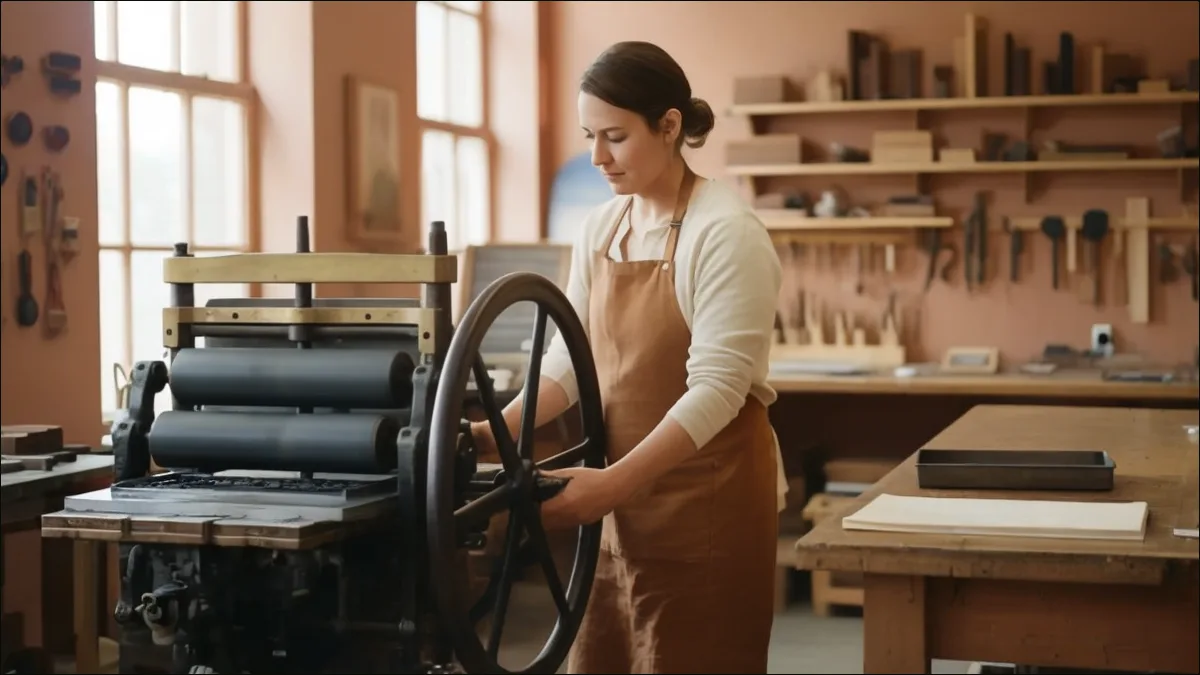 Artist working in a fellowship letterpress studio residency
What Is an Artist Fellowship?
Artist fellowships are awards recognizing artistic achievement and providing support for continued creative development. Unlike project grants that fund specific work, fellowships support the artist directly, acknowledging their practice's value and investing in their future development.
Award amounts and support vary by program. A fellowship may include cash, studio access, residency time, professional development, or a public credential. Read the current program terms before you apply.
Types of Artist Fellowships
Fellowship Types at a Glance
| Type | Typical Award | Requirements | Best For |
|---|---|---|---|
| Unrestricted Cash | Varies | Portfolio, statement | Established artists |
| Residency Fellowship | Varies | Portfolio, project proposal | Artists needing focused time |
| Project-Based | Varies | Detailed proposal, budget | Specific project funding |
| Emerging Artist | Varies | Portfolio, career stage | Early-career artists |
| Regional | Varies | Residency requirement | Local artists |
Unrestricted Cash Fellowships
Some awards provide unrestricted funds. United States Artists describes its fellowship as unrestricted funding. Creative Capital offers unrestricted project grants, which support a proposed new work. Read each program's rules before treating an award as unrestricted cash.
Unrestricted fellowships recognize that artists understand their own needs better than external funders. The trust implicit in unrestricted support often proves as meaningful as the financial award itself.
Residency Fellowships
Some fellowships include dedicated time and space for creative work. The Radcliffe fellowship provides financial support and office or studio space. The American Academy in Rome's Rome Prize includes a stipend, accommodation, and a private workspace. Review each program's attendance and work requirements.
Residency fellowships vary significantly in duration, from a few weeks to full academic years, and in their expectations regarding output. Some require public presentations or community engagement; others simply provide space for private work.
Project-Based Fellowships
Certain fellowships support artists developing specific bodies of work. Creative Capital provides project funding and professional development for new work. Read each program's current terms for the length of support, services, and reporting requirements.
Career Stage Fellowships
Many fellowships target specific career stages. Emerging artist fellowships support those building initial professional identities. Mid-career fellowships help established artists take risks or change direction. Senior fellowships honor lifetime achievement and support continued practice.
Matching your career stage to appropriate fellowships increases competitiveness. Applying to mid-career programs as an emerging artist, or vice versa, wastes effort on mismatched opportunities. If you're at the start, the opportunities for emerging artists guide covers programs that expect a short CV.
Discipline-Specific Fellowships
Numerous fellowships focus on particular disciplines: visual arts, literature, music, theater, dance, film, or interdisciplinary practice. Discipline-specific programs often have review panels with deep expertise in that field, potentially leading to more nuanced evaluation of your work.
Regional and Community Fellowships
Many fellowships prioritize artists from or working in specific geographic regions or communities. These programs strengthen local arts communities and get support to artists national programs tend to overlook. Regional fellowships often have less competition than national programs while offering substantial support.
Major Artist Fellowships
Knowing which programs exist, what they pay, and when they close is most of the work of targeting them well.
United States Artists (USA) Fellows
USA Fellowships provide $50,000 in unrestricted funding across disciplines. Artists are nominated and then invited to apply. The current program page describes the nomination and panel process; it does not promise a fixed annual number of awards.
The program is nomination-based rather than an open application. Read the current USA Fellowship page for the active cycle and materials.
Creative Capital
Creative Capital provides unrestricted project grants of up to $50,000, professional development, and community-building support for new work. See the current Creative Capital Award page for disciplines and the open-call route.
Its current program page describes professional development and community-building support alongside the project grant. Review the active application materials for the current support period.
Guggenheim Fellowships
Guggenheim Fellowships support artists and scholars through a competitive application process. The current program page should control the award terms, eligibility, and application instructions. Do not assume a fixed stipend or acceptance rate from older summaries.
Strong applications demonstrate significant achievement and a clear plan for the fellowship period. Check the current Guggenheim instructions before relying on any competition statistic.
Pollock-Krasner Foundation Grants
While technically grants rather than fellowships, Pollock-Krasner awards provide unrestricted support to eligible visual artists. The foundation says awards can reach $50,000, with the amount based on the artist's circumstances. Applications are accepted year-round. See the current application guidelines.
Joan Mitchell Foundation Fellowships
The Joan Mitchell Fellowship annually supports 15 U.S.-based artists working in painting or sculpture with $60,000 in unrestricted funds distributed over five years. Artists are nominated and then invited to apply. Creating a Living Legacy (CALL) is a separate set of legacy-planning resources, not another cash fellowship.
Rauschenberg Foundation Residencies
The foundation's current grants page says the Captiva Residency ends in 2026. It now describes support for the residency's alumni. The separate Archives Research Residency serves researchers and scholars in New York. Check the current program before planning an application.
MacDowell and Yaddo
These historic residency programs provide time, space, and community. Their application routes and fees differ. Yaddo's current application page lists a $35 nonrefundable application fee, residencies of two weeks to two months, and room, board, and a studio. Check MacDowell's current application instructions for its current fee and residency terms.
Kresge Artist Fellowships
Kresge Artist Fellowships support artists living and working in metropolitan Detroit. The award changed from $25,000 to $40,000 in 2024 and $50,000 in 2025, according to Kresge's current program announcement. Check Kresge Arts in Detroit for the active cycle and eligibility.
How Fellowship Selection Works
Most fellowships use peer review: panels of artists, curators, critics, and arts professionals who evaluate applications together. Panels change every year, which introduces real variability into who wins. That is an argument for applying more than once, and for writing to the field rather than to an imagined panel's taste.
Portfolio Assessment
Work samples carry primary weight. Panels spend limited time with each application, sometimes just 5-10 minutes, so your portfolio must communicate effectively in brief review. Strong portfolios show:
- Consistent artistic vision
- Technical accomplishment appropriate to your medium
- Work that rewards extended attention
- Clear progression or development
The portfolio for grants guide covers how panels actually move through a submission, including how quickly images get projected.
Application Statements
Artist statements, project descriptions, and career narratives contextualize your portfolio. Effective statements are concise, specific, and free of jargon. Describe what you actually make and why it matters, not what you want panels to think about it.
CV and Professional History
Your CV demonstrates professional engagement: exhibitions, publications, previous awards, relevant experience. Panels look for appropriate professional activity for your career stage. A strong CV doesn't require prestigious venues; it shows consistent engagement with your field.
Letters of Recommendation
Many fellowships require letters from colleagues, mentors, or collaborators who can speak to your work's significance. Strong letters come from people with meaningful relationships to your practice, not famous names who barely know you. Request letters well in advance and provide recommenders with application materials.
Crafting Strong Fellowship Applications
Select Work Samples Strategically
Your portfolio determines your application's success. Choose work that:
- Represents your current practice (not student work from years ago)
- Shows cohesive artistic vision (avoid scattershot sampling)
- Demonstrates technical accomplishment
- Reproduces well digitally (proper documentation is essential)
Most applications limit samples significantly, often 10 images or 10 minutes of time-based media. Make every sample count. Include your strongest work even if it means repeating samples across multiple applications.
Write Clear, Specific Statements
Fellowship statements should communicate to intelligent non-specialists. Avoid art jargon, theory-speak, and pretentious language. Describe your work concretely: what does it look like, what materials do you use, what ideas drive it?
Address what you'll do with fellowship support. Even unrestricted fellowships want to know their investment will enable meaningful work. Be specific about how support will affect your practice.
Present an Honest Professional Narrative
Your CV and career history should accurately represent your professional trajectory. Don't inflate credentials, exaggerate past opportunities, or misrepresent your career stage. Panels recognize padding and respond negatively.
Context helps panels understand your path. If you've had career interruptions, geographical challenges, or institutional barriers, brief acknowledgment can help panels evaluate your achievements appropriately.
Match Programs to Your Practice
Apply to fellowships whose missions align with your work. Programs supporting community-engaged practice aren't appropriate if your work is purely formal. Emerging artist programs shouldn't receive applications from mid-career artists with extensive exhibition histories.
Research programs thoroughly. Read previous fellow profiles. Understand what the program values and honestly assess whether your practice fits.
Plan Application Timelines
Fellowship deadlines and notification schedules differ by program. Map the deadlines you can verify and start early; rushed applications rarely succeed. Many artists apply more than once, so refine materials between cycles. Keeping deadlines and drafts in one place helps, which is what Artsume's application tracker is for.
What Happens After Selection
Receiving a fellowship brings both opportunities and responsibilities.
Announcement and Recognition
Most programs announce fellows publicly, through press releases, websites, and social media. This recognition generates additional visibility beyond the award itself. Some programs organize exhibitions, readings, or public presentations built around fellows' work.
Reporting Requirements
Many fellowships require reports on how support was used. These might include financial accounting, narrative descriptions of work completed, or documentation of activities. Maintain records throughout your fellowship period to simplify reporting.
Network Building
Fellowship cohorts create lasting professional networks. Fellow artists often collaborate, recommend each other for opportunities, and provide mutual support throughout careers. Engage genuinely with your cohort. These relationships prove valuable long-term.
Tax Implications
Fellowship income is taxable. Awards are typically reported as income, and organizations issue 1099 forms. Budget for the tax bill in the same month the money arrives, and see the artist taxes and business structure guide for how self-employment tax and quarterly payments work on award income.
Common Fellowship Application Mistakes
Generic Applications
Applications that could describe any artist rarely succeed. Panels seek distinctive voices and specific practices. Generic language such as "exploring the human condition" or "pushing boundaries" signals underdeveloped artistic identity.
Poor Documentation
Weak images undermine strong work. Invest in professional documentation. Learn proper lighting, resolution, and file formatting. For video or audio work, ensure technical quality matches artistic quality.
Mismatched Career Stage
Applying to programs targeting different career stages wastes effort. Emerging artist programs can't accommodate mid-career artists; mid-career programs often have achievement thresholds emerging artists can't meet. Target appropriate opportunities.
Overpromising
Ambitious plans for fellowship-supported work can backfire if they seem unrealistic. Panels prefer achievable goals over grandiose promises. Show that you understand what fellowship support will actually enable.
Ignoring Program Mission
Every fellowship has specific values, priorities, and constituencies. Applications ignoring these values rarely succeed. Research program missions and honestly assess fit before applying.
Frequently Asked Questions
How competitive are artist fellowships?
Major national fellowships are highly competitive. Acceptance rates of 3-10% are common. Regional programs and smaller foundations often have better odds. Most successful fellowship recipients apply repeatedly across multiple programs over several years before receiving awards.
Can emerging artists get fellowships?
Yes, many programs specifically support emerging artists. Some major programs consider career stage in evaluation. Emerging artists compete primarily against other emerging artists. Target programs appropriate to your career stage rather than applying to mid-career programs prematurely.
Do I need gallery representation to receive fellowships?
No. Fellowships evaluate artistic merit independent of commercial gallery relationships. Many programs specifically support artists working outside commercial gallery systems. Strong work and clear artistic vision matter more than representation.
Are fellowship applications worth the time investment?
For artists whose practices align with program missions, applications are worthwhile even given competitive odds. Beyond potential awards, the application process clarifies your thinking about your work. Materials developed for applications often prove useful for other opportunities.
How do I find fellowship opportunities?
Resources include discipline-specific organizations (like College Art Association for visual artists), regional arts agencies, foundation databases like the Foundation Center, and opportunity listing platforms. Learning which programs exist takes time but repays the effort through better-targeted applications.
Finding Fellowship Opportunities
Professional organizations in your field are the first place to look. College Art Association, Alliance of Artists Communities, Theatre Communications Group, and their equivalents all compile opportunities for their members. Past that, the Foundation Center and Candid maintain searchable databases of arts funders, and many foundations accept direct applications rather than working through intermediaries.
Don't skip your own state and regional arts agencies. They administer fellowship programs and maintain local listings, and they typically draw a much smaller applicant pool than the national programs while still writing real checks.
Aggregators cover the rest. Artsume, Café, and Submittable each pull fellowship listings across disciplines and regions; browse open programs on Artsume and set alerts so announcements reach you rather than the other way around. The complete guide to finding art opportunities covers the search strategy in more depth, and funding for art projects covers the project-grant side of the same problem.
Fellowship panels are choosing between artists who all clear the quality bar. What separates the winners is usually a body of work built over years and the ability to describe it plainly. Both take longer than an application cycle, which is why the strongest thing you can do this month is make work and write about it clearly.
Next Steps for Fellowship Seekers
Start by identifying the programs that actually match your practice and career stage, then build current documentation of your work and develop language that describes it without jargon. Put every relevant deadline on one calendar for the year ahead, and apply consistently, revising materials between cycles rather than starting over each time.
Create your Artsume profile to keep a current CV and portfolio ready, and use the artist CV builder so a complete professional record is one export away when a deadline lands. The applying to programs walkthrough covers how submissions work once you find a fit.