Social Media for Artists: Instagram, TikTok, and More
Build your art audience on social media. Platform strategies for Instagram, TikTok, and Pinterest, plus content ideas and posting schedules.
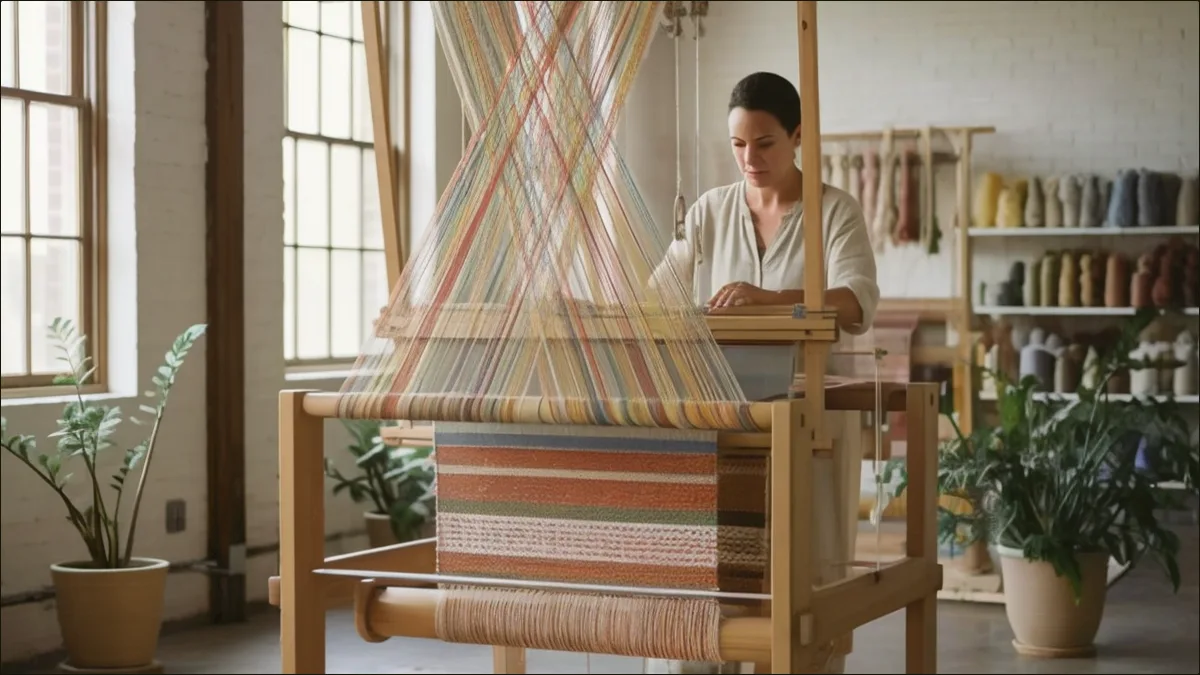 Artist creating social media content for Instagram and TikTok art marketing
Social media has become the primary discovery platform for contemporary art. Collectors, curators, and galleries regularly find artists through Instagram and TikTok, and a strategic presence can open doors that used to require gallery representation.
It is still one channel among several, and it is not a career. Nobody has to become a content creator to be a working artist; grants, residencies, juried shows, consultants, and plain word of mouth all still function. What follows is how to run the channel deliberately (what works on each platform, how to plan content you can actually sustain, and what growth realistically looks like) without letting it eat the practice it is supposed to serve.
Quick Answer
- Focus on 1-2 platforms rather than spreading thin
- Post consistently (3-5x per week minimum)
- Mix finished work with process content
- Engage genuinely with your community
- Do not expect overnight results - social growth is slow
Social Platforms for Artists
| Platform | Best For | Content Type | Audience |
|---|---|---|---|
| Visual artists, all levels | Photos, Reels, Stories | Collectors, curators, other artists | |
| TikTok | Process-heavy work | Short video | Younger, discovery-focused |
| Decorative/design work | Pins linking to shop | Interior designers, buyers | |
| YouTube | Tutorials, deep process | Long-form video | Learning-focused viewers |
| Corporate, public art | Professional updates | Consultants, businesses |
Instagram Strategy
Instagram remains the most important platform for visual artists. Despite algorithm changes, it offers the best balance of visual presentation and discoverability.
Profile Optimization
Use your name or a recognizable brand as the username. The bio has one job: what you make, where you are based, and how to buy. Point the link at whatever destination is most useful right now, or at a link-in-bio tool if you need several. Artsume's artist card works well here since it holds your work, CV, and contact details behind a single link. Set up Highlights for best work, process, about you, and shop.
The images you post are the same images that go in applications and on your website, so shoot them properly once. Our artwork documentation guide covers lighting and color accuracy.
Content Mix
Balance these content types:
- Finished work (40%): Gallery-quality images
- Process (30%): Studio shots, work in progress
- Personal/context (20%): Studio, inspiration, life
- Sales/promo (10%): Available work, shows, links
Posting Strategy
Three to five feed posts a week is the floor. Stories daily if you can manage it, since they disappear in 24 hours and carry no permanence pressure. Two or three Reels a week keeps the algorithm interested, and carousels reliably out-engage single images.
Hashtag Strategy
Use 5-15 relevant hashtags:
- Mix of broad (#contemporaryart) and specific (#oilportrait)
- Include medium (#acrylicpainting)
- Location when relevant (#chicagoartist)
- Avoid banned or spammy hashtags
Research hashtags by looking at what similar artists use.
Instagram Reels
The algorithm heavily favors video, and simple Reels perform fine: a time-lapse of the painting process, a studio tour clip, packing an artwork, a before-and-after reveal, a look at the supplies. Keep them under 30 seconds.
TikTok Strategy
TikTok rewards discovery differently. You can go viral with no followers if content resonates. The audience skews younger but increasingly includes collectors.
Content That Works
- Process videos with satisfying payoffs
- Oddly satisfying techniques
- Art tips and hacks
- Studio day-in-the-life
- Reacting to art trends or news
- Packing orders (surprisingly popular)
TikTok Best Practices
The first two seconds decide everything. After that: use trending sounds when they genuinely fit, post one to three times a day if growth is the goal, answer comments quickly, and remember that watch time beats every other signal.
Cross-Posting
Repurpose TikTok to Instagram Reels, either by stripping the watermark with a tool like SnapTik or by shooting the original in both formats. A small adjustment per audience is usually worth the minute it takes.
Pinterest Strategy
Pinterest is underutilized by artists but effective for sales, especially for decorative work. Its users are in buying and planning mode, pins stay alive for months rather than hours, it drives real website traffic, and interior designers search there on purpose.
Build boards by theme, color, or room. Use rich pins with price and availability, and link straight to the shop or portfolio rather than to a profile. Five to ten pins a day is a normal cadence, and keywords in the descriptions do the work that hashtags do elsewhere. Because Pinterest sends traffic somewhere, it only pays off if the destination is worth the click; building an artist portfolio website covers the options, and Artsume's artist portfolio builder is one of them.
Content Calendar
Consistency matters more than perfection. Create a sustainable schedule:
Sample Weekly Content Plan
| Day | Instagram Feed | Stories | Other |
|---|---|---|---|
| Monday | Finished work post | Studio morning | Pinterest pins |
| Tuesday | - | Process clip | TikTok video |
| Wednesday | Process carousel | Materials/tools | - |
| Thursday | - | Personal/inspiration | Reel or TikTok |
| Friday | Finished work | Week recap | Pinterest pins |
| Weekend | Optional | Casual content | Batch create for week |
A calendar like this only survives contact with a real week if the posting is batched. Photograph and draft in one sitting, then schedule. Studio practice and productivity covers containing admin work generally, which is the actual skill here.
Growing Your Audience
Engagement Matters
The algorithm rewards accounts that engage, and so do people. Reply to every comment. Comment on other artists' work with something more than an emoji. Share work you admire in Stories. Show up in the conversations happening in your corner of the field.
Collaboration
Work with other artists:
- Instagram Lives together
- Takeovers
- Shared challenges
- Cross-promotion
Avoid Growth Hacks
Do not buy followers, use engagement pods, or follow/unfollow. These damage your account long-term. Slow organic growth builds real audience.
Converting Followers to Collectors
Attention is not a sale. The gap between them is closed by telling people exactly what to do next.
Clear Calls to Action
Tell people how to buy: link in bio to the shop, "original available, DM for details," prints at a specific link, sign up for first access. Vague admiration converts at zero. The mechanics of the sale itself (platforms, fees, shipping) are covered in selling art online.
Email List Priority
Social platforms change constantly, and your following on them is rented. Offer something worth an email address, mention the newsletter in posts, and keep the signup link reachable. Email marketing for artists covers what to send once people are on it.
Your email list is the only audience you own.
Direct Messages
Many sales happen in DMs. Respond promptly, stay professional but human, have your pricing ready before you're asked, and follow up on genuine interest instead of waiting to be chased.
Common Mistakes
Inconsistent posting. The algorithm forgets you quickly. Three times a week forever beats daily for a month then silence.
Only posting finished work. Process builds the connection. People follow the artist, then buy the art.
Ignoring analytics. Check what performed. Do more of that.
Comparing to others. Someone will always have more followers. Watch your own numbers.
Treating it like advertising. Constant selling drives people away. Provide something, build relationships, mention availability occasionally.
Mistaking it for the whole job. A following is not a career. Galleries, grants, residencies, and open calls still run on portfolios, CVs, and applications, and you can find those opportunities without an algorithm's help. Curators and gallerists who find you on Instagram will look for a professional profile next, so make sure there is one to find; the profile sharing guide covers what they see. When you're ready to approach a gallery directly, how to approach an art gallery covers the outreach itself, and getting press coverage covers pitching to publications.
Frequently Asked Questions
Which platform should I focus on?
Instagram is the safest bet for visual artists. If your work is process-heavy, add TikTok. If decorative or design-oriented, add Pinterest. Master one platform before adding another.
How often should I post?
Minimum 3-5 times per week on your main platform. Stories can be daily. Consistency matters more than frequency: better to maintain 3x/week than burn out trying to post daily.
Should I show my face?
You do not have to, but it helps. Accounts with faces get more engagement. Even occasional appearances in Stories builds connection. Find your comfort level.
How do I deal with algorithm changes?
Diversify. Never rely on one platform. Build an email list. Focus on creating good content for humans, not gaming algorithms. Platforms reward genuine engagement.
Is it worth it if I only have 500 followers?
Yes. Engaged small audiences sell more than passive large ones. Focus on connection, not count. Some artists sell consistently to audiences under 1000.
How do I find time for social media?
Batch create content. Spend one hour per week photographing work and drafting posts. Schedule in advance using tools like Later or Planoly. Set time limits to avoid doom scrolling.
Keeping It in Proportion
Pick one or two platforms, post at a rate you can hold for a year, show process as well as results, and answer people when they talk to you. That is the whole strategy, and it takes about three hours a week.
The goal is not fame. It is connecting your work with the people who will value it, and then moving those people somewhere you control: an email list, a portfolio, a studio visit. Create your free Artsume profile so there's a professional home for the work when the attention shows up.