The Free Artist Grant & Program Tracker
Every grant, residency, and open call you apply to. Every win synced straight to your CV. Your track record, building itself.
No credit card required
Every win, on the record.
Every grant, residency, and open call you apply to, tracked in one place. When you're accepted, the win is ready for your CV, with its details filled in. Your track record builds itself.
What you get:
- Log an application from anywhere you submitted it.
- See every deadline before it passes.
- Follow each application from draft to decision.
- Accept a credit an organization sends to your CV.
- See how many applications you start and send.
Three steps to get set up.
Log your applications
Add every grant, residency, exhibition, and open call you apply to, whether from Artsume or anywhere else. Record the deadline, program type, and any notes.
Track deadlines and outcomes
Artsume surfaces upcoming deadlines. When results come in, mark each application accepted, not selected, or waitlisted.
See your whole history at once
Artsume groups every application you have logged: what is still in progress, what is submitted, and what came back. Your record sits in one view, not scattered across email.
Your profile, CV, and portfolio are all included. Create your Artsume.
Every application in one place.
Track every grant, residency, open call, and exhibition program, whether you applied through Artsume or not.
Know what each program needs before you start.
Every grant, residency, and open call lists what you need: CV, statement, image count, references, fees.
The organizations you follow, beside the ones you apply to.
The galleries, funders and residencies you follow on Artsume sit beside the Tracker. When one of them publishes a new program it lands on your Home, so the next thing worth applying to finds you.

Common questions. Straight answers.
What is an artist application tracker?
An artist application tracker is a tool for logging and managing your grant, residency, exhibition, and open call applications. It keeps your deadlines, outcomes, and application history in one place so you miss nothing.
How do I keep track of grant applications?
Log each application as you submit it: program name, organization, deadline, and outcome. Artsume's tracker holds all of this and connects your applications to your CV, so an accepted grant automatically updates your artist record.
Can I track programs from outside Artsume?
Yes. Log any application in Artsume's tracker, regardless of where you submitted it. The tracker holds your entire application history.
What happens when I get accepted?
When you mark an application as accepted, Artsume can add the credit directly to the appropriate section of your CV: exhibitions to exhibitions, grants to awards, residencies to residencies. Your career record updates automatically.
Does Artsume remind me of deadlines?
Yes. Set a deadline for any program and Artsume surfaces it before it passes. Upcoming deadlines appear in your dashboard so you always know what's coming.
Is the application tracker free?
Yes. Artsume is free for artists. The application tracker, CV builder, portfolio, and live profile are all included.
Can I see how my past applications went?
Yes. Artsume records the outcome of every application you log (accepted, not selected, waitlisted) and groups them under Decisions, so your full history sits in one view. Review which program types and organizations have come back positive, then focus your energy where your practice fits.
Why artists need an application tracker
Why artists need an application tracker
Most artists manage their applications across email threads, spreadsheets, and memory. That works until it doesn't: a deadline missed, an outcome forgotten, a CV not updated. A dedicated tracker shows you every application at once.
How to track grant applications
For each grant application, record the program name, organization, deadline, amount requested, and outcome. Track your CV submission alongside it, since the version you submitted may differ from your current one. Artsume connects the application directly to your live CV.
What to record for each application
At minimum: program name, organization, deadline, type (grant, residency, exhibition, open call), and outcome. Useful additions: the amount requested, which CV version you submitted, and notes on the jurors or selection criteria.
How to improve your grant acceptance rate
Acceptance rate improves when you understand patterns: which program types you win, which organizations respond to your practice, and how your application materials evolve. Your own log is the only place that record exists.
Tracking residencies, exhibitions, and open calls
Grants aren't the only thing worth tracking. Residencies have deadlines and multi-step processes. Exhibition open calls require specific materials. Each program type has different lead times and submission requirements, and a tracker makes those differences obvious.
Read the interview“There’s a rubric available through Artsume, so applicants can see the criteria we’ll be using to assess the proposals.”
The people behind the work.
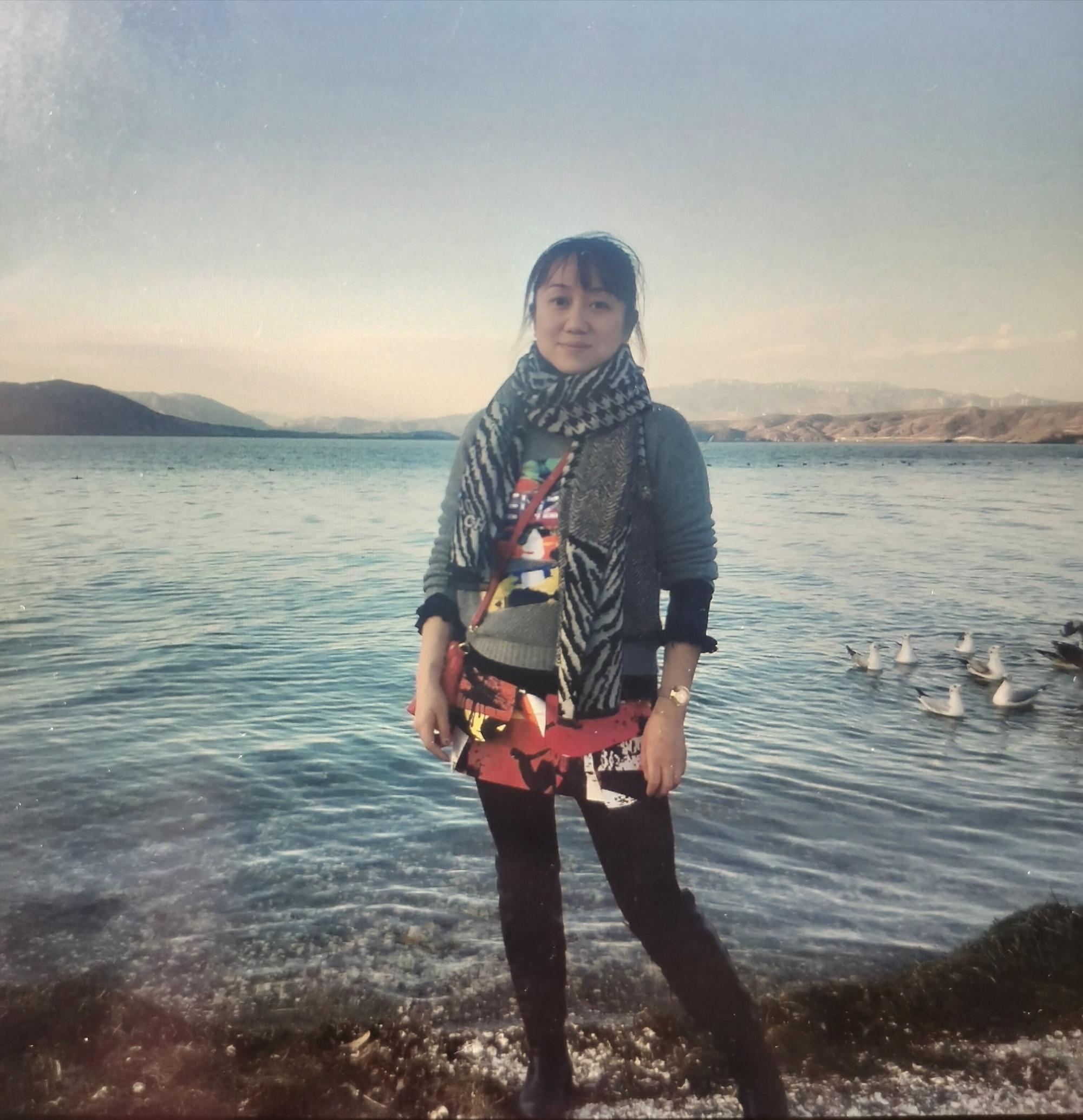
Community story
Ke Wu: Finding Meaning Between Abstraction and Recognition
The Chinese-born, Finland-based painter on growing up surrounded by art, letting images emerge through the creative process, and why a painting can mean something different to everyone who sees it.
Interview by David Rozenfeld
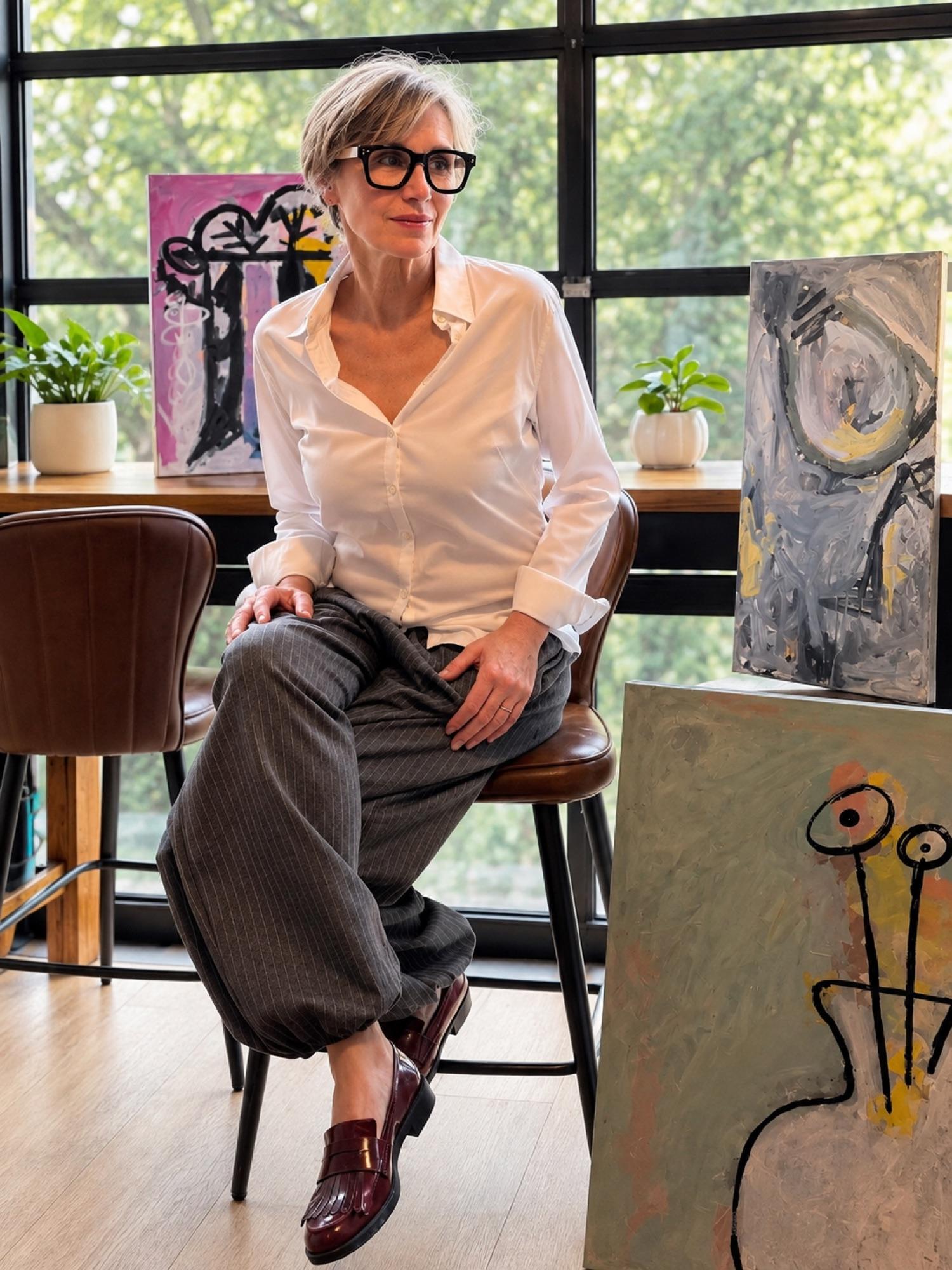
Community story
Lisa Palmer: Painting the Things We Don't Always Say Out Loud
For Bradford, Ontario-based artist Lisa Palmer, painting is an exercise in vulnerability, rebellion, and finding the courage to be unapologetically yourself.
Interview by David Rozenfeld
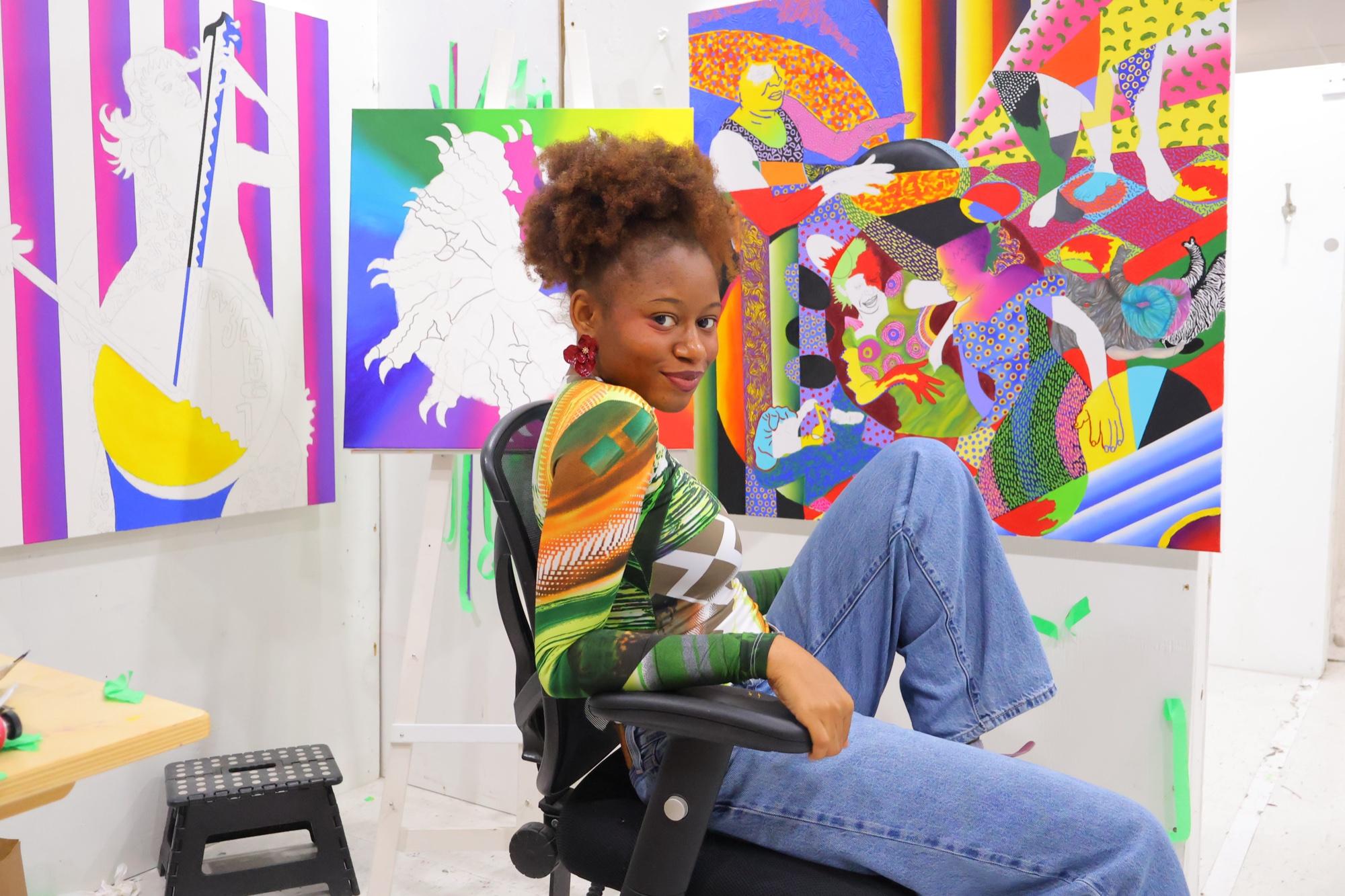
Community story
Chimemelie Okafor: Painting Time, Layer by Layer
The Toronto-based Nigerian artist on the textiles that shaped her visual language, researching Igbo understandings of time, and finding her voice through painting.
Interview by David Rozenfeld
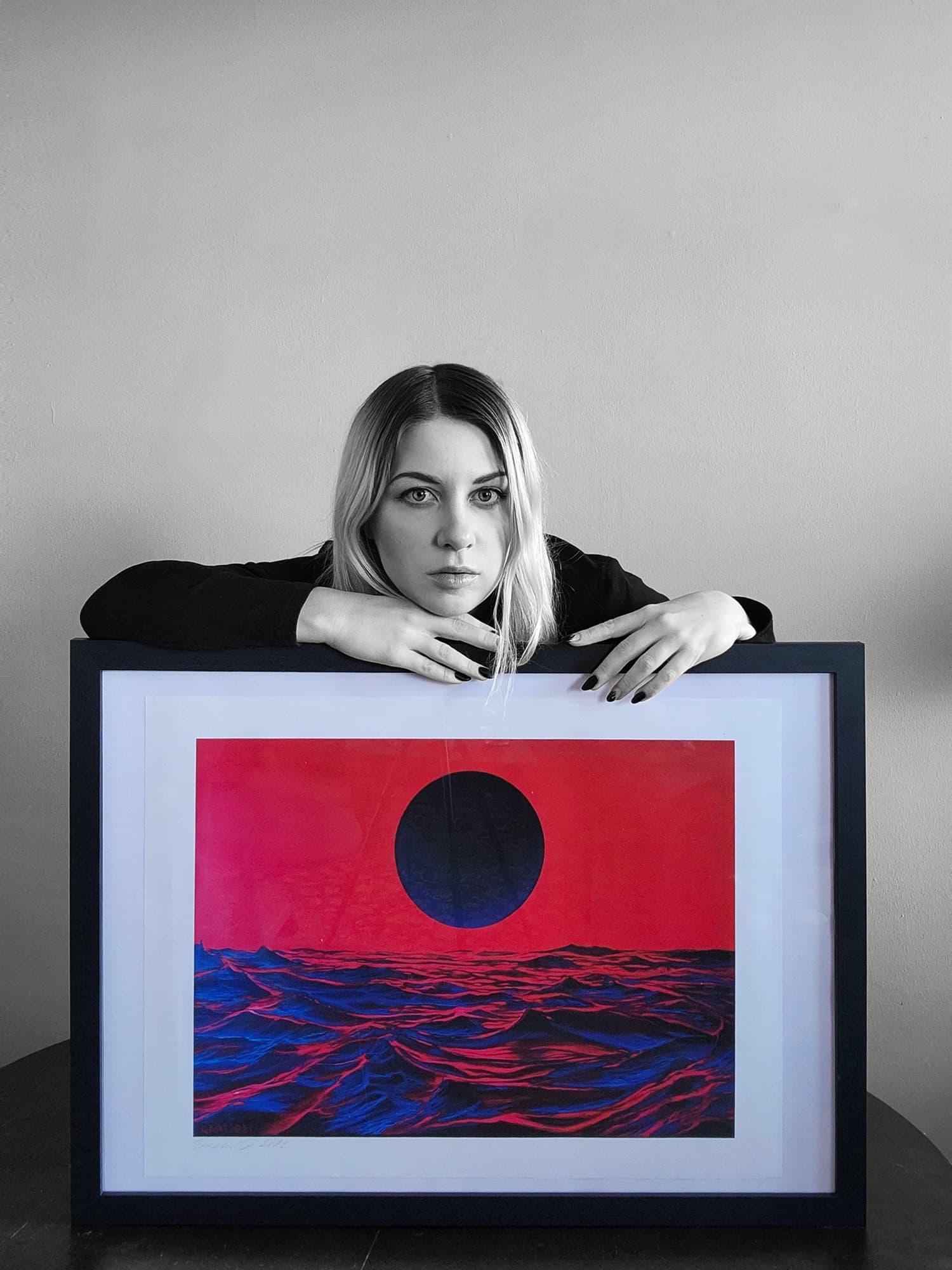
Community story
Sasha Q: The Best Is Yet to Come
The Toronto-based artist on paintings that transform with light, the discipline behind her practice, and building a career across borders.
Interview by David Rozenfeld

Community story
Daniela Savarese: Painting the People We Can Never Fully Know
On the emotional weight of quiet moments, a friendship spanning 25 years, and building a career without losing the pleasure of painting.
Interview by David Rozenfeld

Community story
Breathing Space: Leslie Menagh on Artspace Peterborough
The artist and arts administrator on creative collaboration, the relationships that sustain an artist-run centre, and making room for people to try something new.
Interview by David Rozenfeld
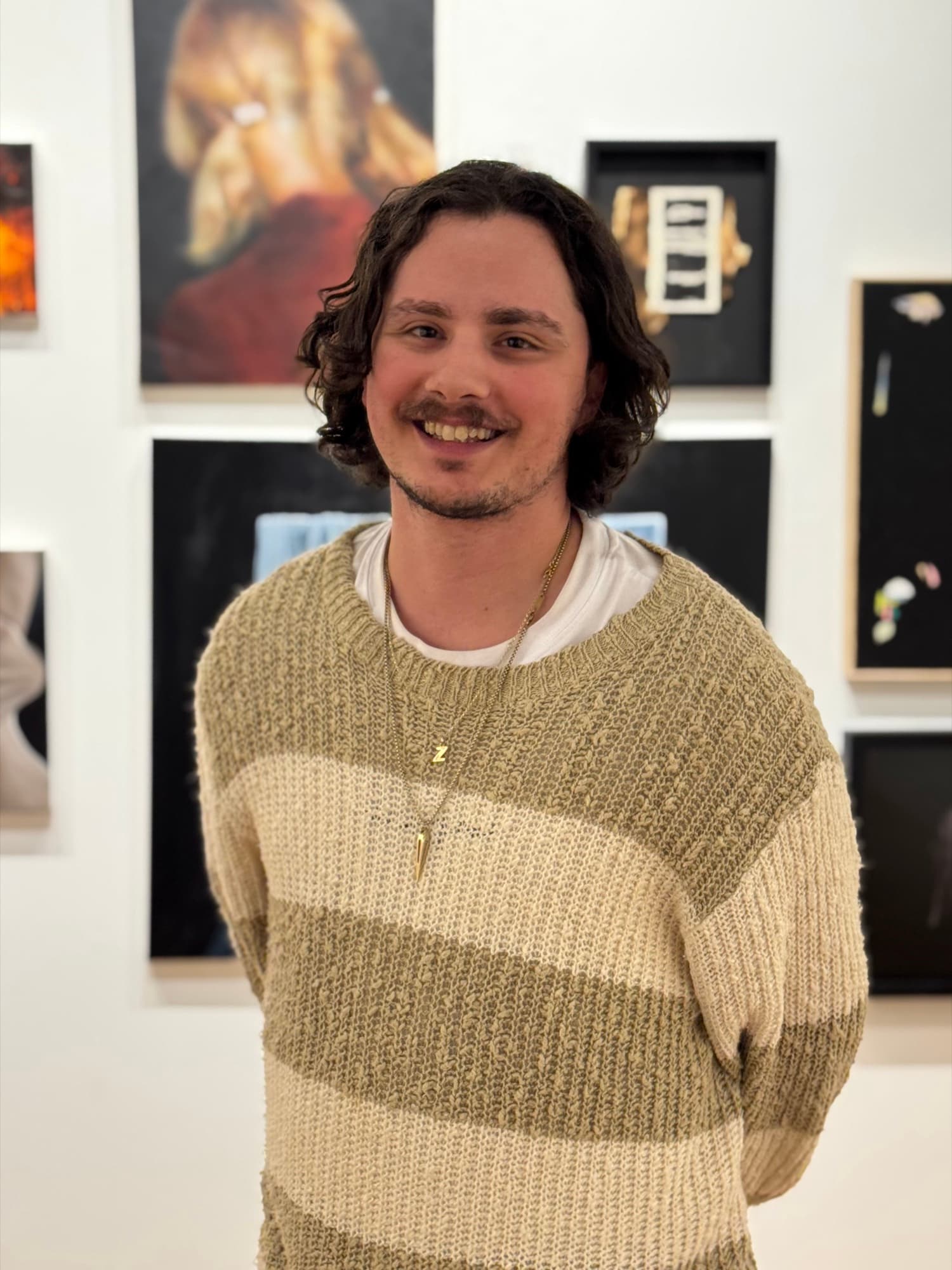
Community story
Abbozzo Gallery: Blake Zigrossi on Growing With Its Artists
The associate director on growing up in a family gallery, what makes an artist–gallery relationship work, and helping Canadian artists reach new audiences.
Interview by David Rozenfeld
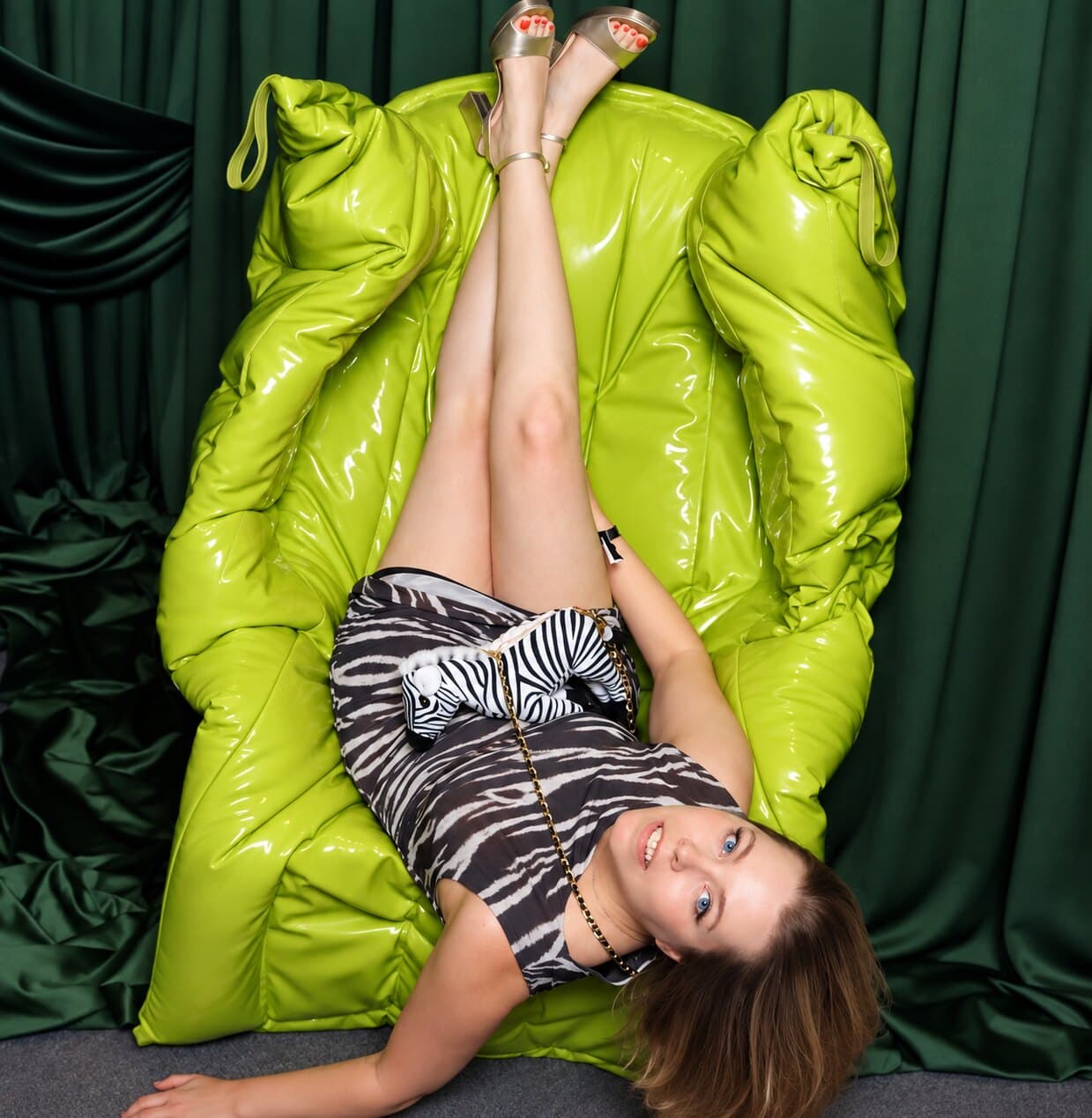
Community story
Kezleigh: The Wall Is the Canvas
The Toronto-based new media artist on giving digital paintings a physical form, finding a language for memory, and building a career one “yes” at a time.
Interview by David Rozenfeld
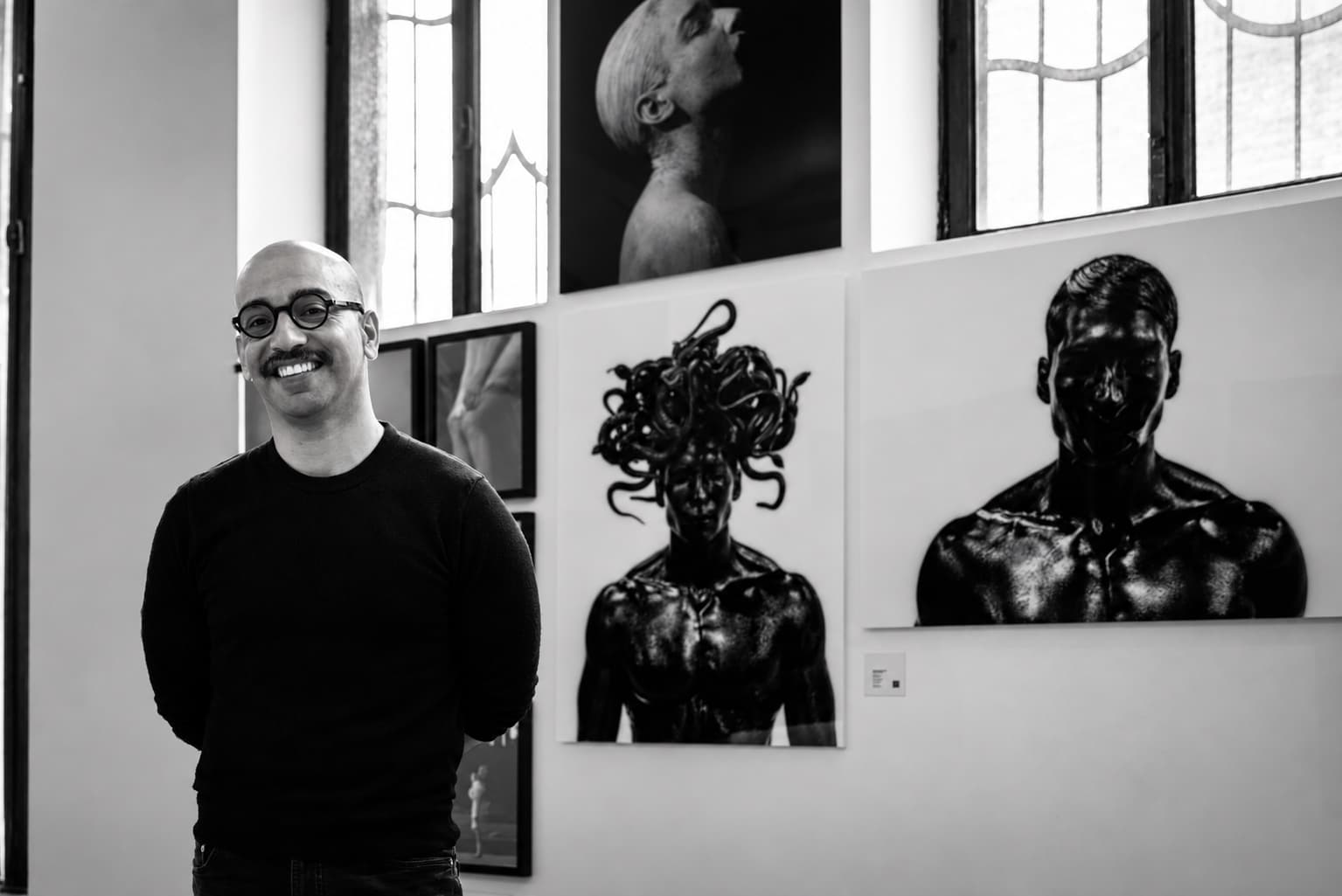
Community story
Rafael Montalvo: Sculpture in Reverse
The Puerto Rican artist on transforming living bodies into sculptural photographs, the pull of the sea and mythology, and the relationships that help an artistic practice find its audience.
Interview by David Rozenfeld
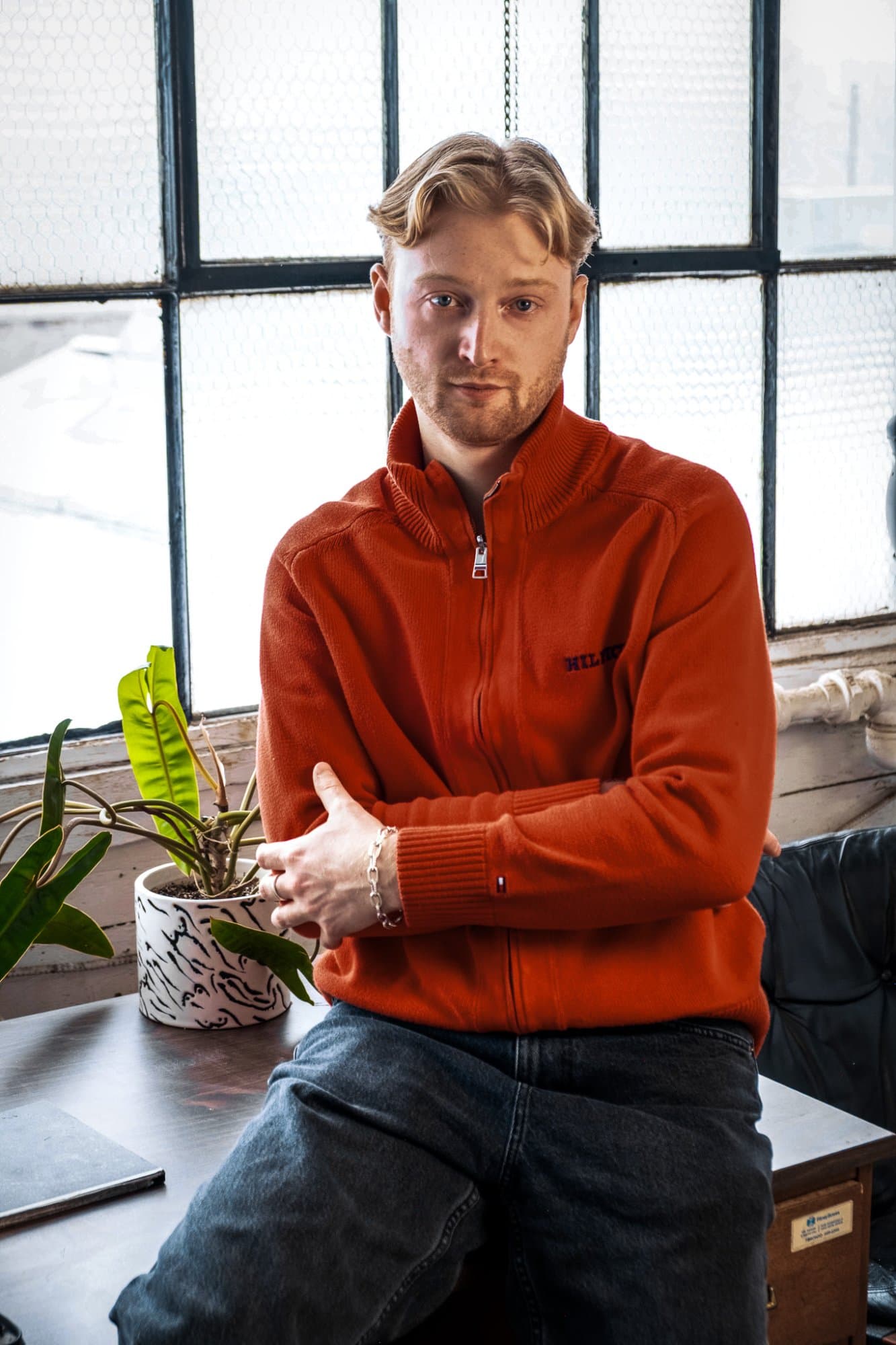
Community story
Ethan Platt paints bodies beyond the possible
Digital figures. Physical feeling. The Toronto painter on impossible poses, the pull of oil paint, and trusting the work itself.
Interview by David Rozenfeld
Community story
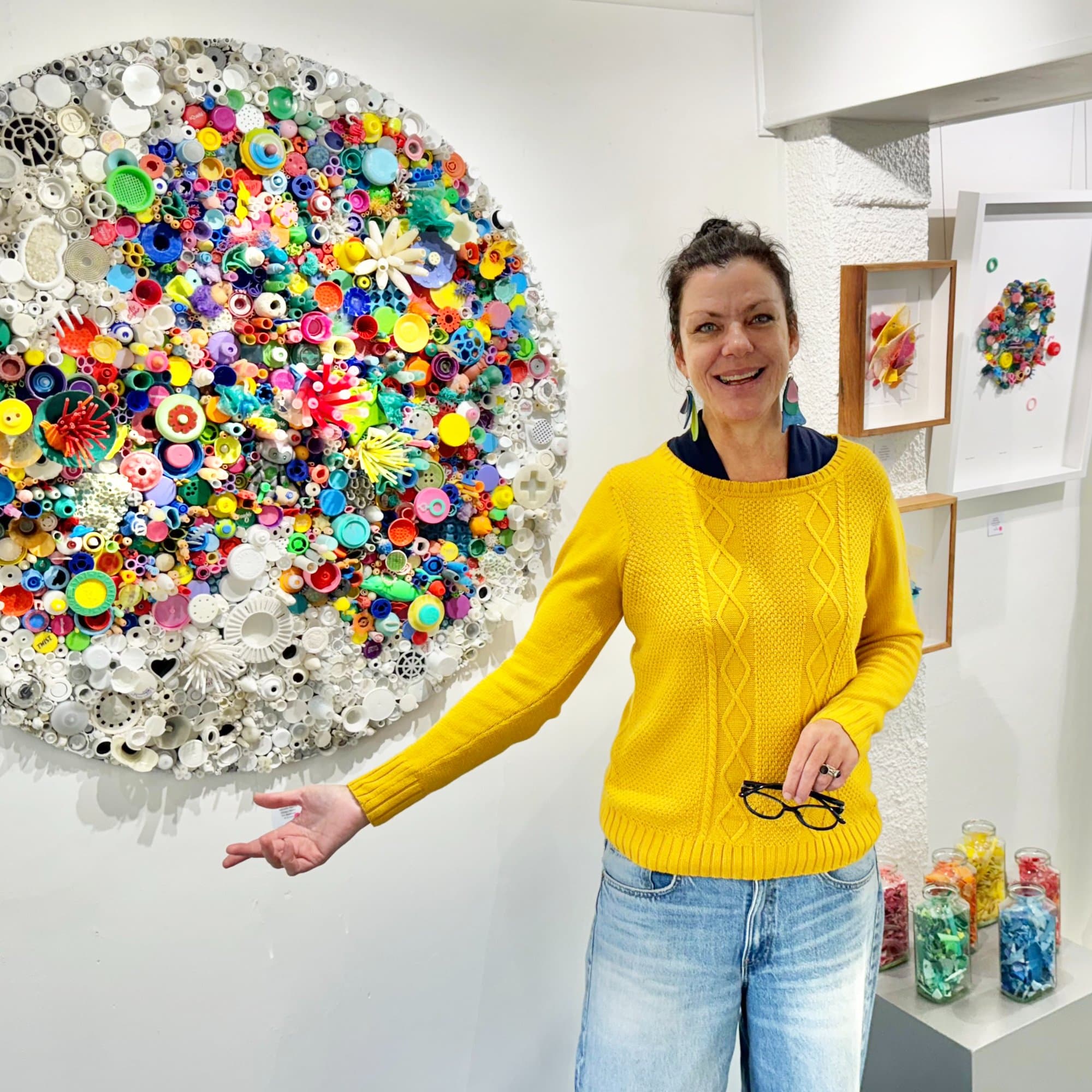
Michelle “MISHVANIA” Beattie on Ocean Plastic Sculpture
Beach-found plastic becomes coral reefs, anemones, and imagined underwater worlds. Inside Michelle Beattie’s practice on the Cape Town coast.
Interview by David Rozenfeld

Community story
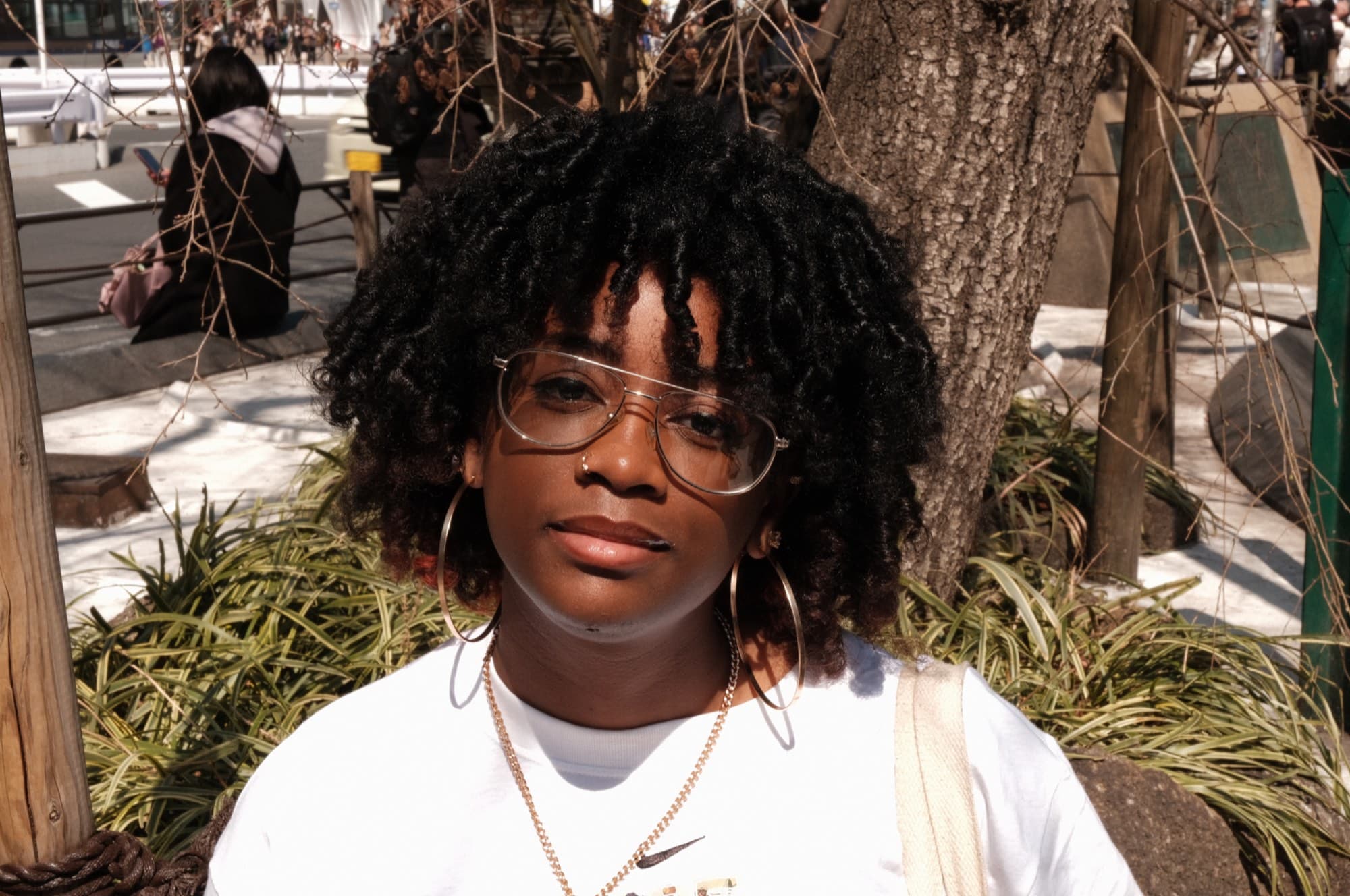
Emmette Lewis on Portrait Painting and Diasporic Memory
Family photographs become portraits in oil, textiles, and found materials. Emmette Lewis on memory, belonging, and the people who shape her work.
Interview by David Rozenfeld
Community story
Ruth “Rutamfi” Burotte on 3D Character Art and Diaspora
From street art to digital sculpture, Ruth “Rutamfi” Burotte builds characters with their own stories. A conversation about play, identity, and community.
Interview by David Rozenfeld
Used by artists working with
Artsume has programs from arts organizations around the world


Part of your Artsume profile
And the profile behind it.
What you get:
- Present your art and career in your professional art resume.
- Keep your CV current as your career develops.
- Find opportunities matched to your art and experience.
- See how often your profile and portfolio are opened.
- Keep every opportunity, deadline and application in one place.
- Message organizations and peers without leaving Artsume.
Build your tracker, and the profile behind it. It's free.
Free to join · No credit card required