In conversation · Ethan Platt
Ethan Platt paints bodies beyond the possible
Digital figures. Physical feeling. The Toronto painter on impossible poses, the pull of oil paint, and trusting the work itself.
Interview by David Rozenfeld
· 7 min read
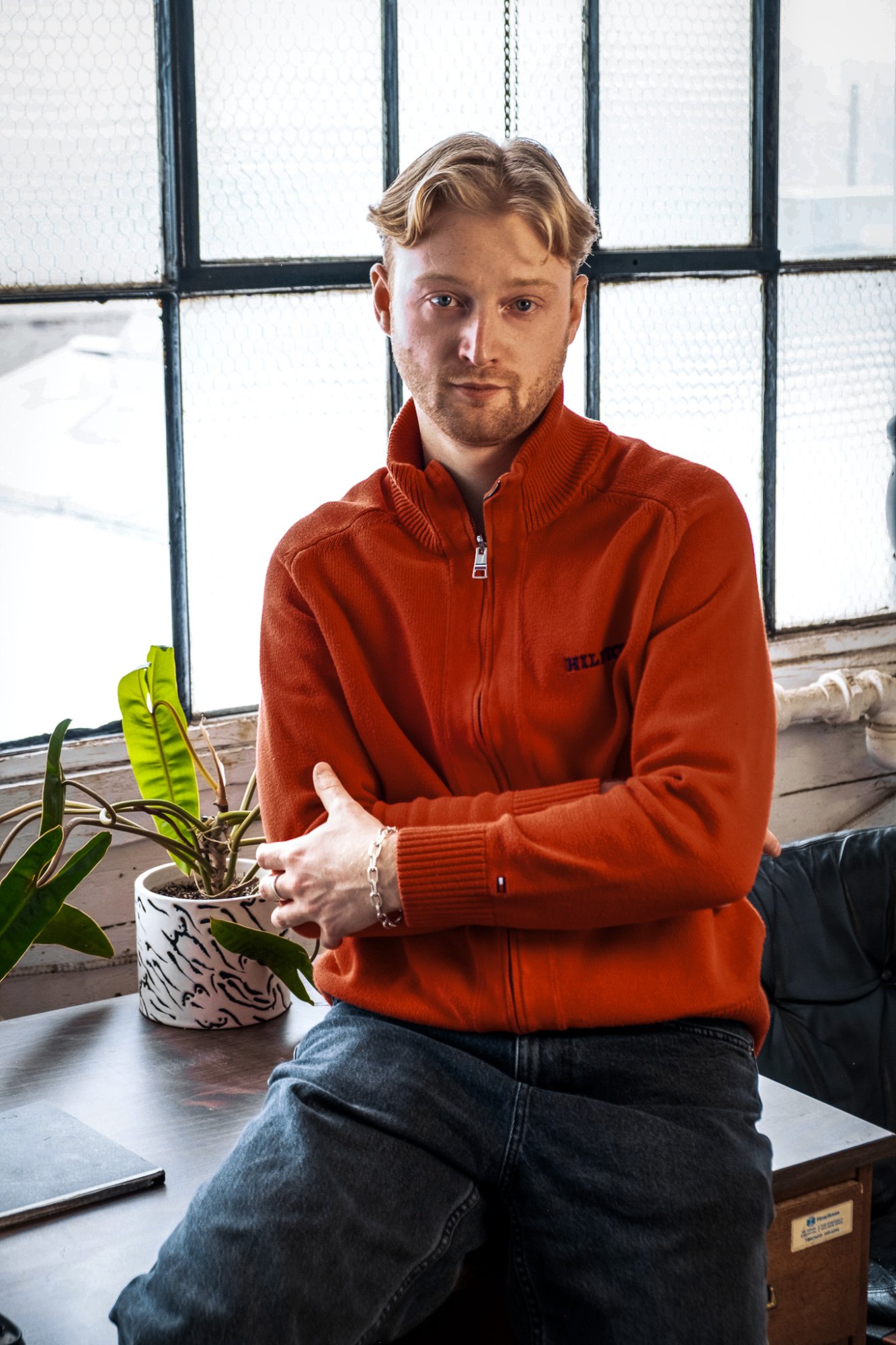
Ethan Platt builds a body, gives it bones, and bends it until something slips. A finger turns too far. A pose becomes uncomfortable. From one angle, the figure looks impossible. From another, it almost makes sense.
These bodies begin inside 3D software. Platt then paints them in oil, carrying their reflective surfaces and strange proportions into something you can stand in front of.
In this Artsume community conversation, the Toronto painter returns to a question that runs through his practice: how can an invented body carry a physical feeling? His answers move between early painting lessons, digital experiments, and the quiet work of finding out what a painting needs.
Ethan Platt returns to the figure
Platt grew up drawing in Keswick, Ontario. Art lessons introduced him to portraiture and watercolour. In his early teens, an encounter with a local painter brought him to oils. He remembers buying a roll of canvas from her. She offered to teach him.
Those lessons gave him a patient way of working. Colour developed through successive layers, each one changing what came before. He compares the effect to stained glass.
People remained his subject. At OCAD University, he explored jewellery, fabric, and the ways a body can be adorned. Then COVID interrupted access to models. He began constructing figures digitally, and the metallic people took shape.
The tools changed his options. He could build a figure, control its surroundings, and test a pose without asking a model to hold it. Traditional figurative painting remained part of the work.
Learning to stay with an idea
During his final thesis at OCAD, Platt considered moving away from the renderings. In critiques, instructor Gordon Shadrach encouraged him to continue. There was still more to discover in the work he had started.
Platt wanted to make large paintings. Shadrach encouraged him to consider the painting itself: its surface, its structure, and how he handled the paint. Fellow instructor Veronika Szkudlarek also led critiques and provided guidance during his thesis.
The advice became practical. He needed a wider range of brushes. He needed to consider the surface beneath the image. He began experimenting further with digital metallic materials, moving away from reflections of real people within the figures.
His graduate exhibition brought attention, interviews, and further opportunities. After university, he found a studio and continued making work. Yet when asked how an emerging artist grows a career, he brings the conversation back to painting.
“I feel like people get more excited about like what the paintings bring you versus actually the paintings you're making.”
He describes a different priority: remain interested in your own work. Question it. See how far you can take it.
Building the body behind the painting
Platt’s process starts with a digital body and an armature, an internal set of bones that lets him pose it. Moving those bones changes the figure. Sometimes the model bends in a way a human body cannot.
He allows some of those distortions to remain. Then he adjusts the camera. A severe bend can appear more plausible from another viewpoint. The final image conceals some of the strangeness in the model that produced it.
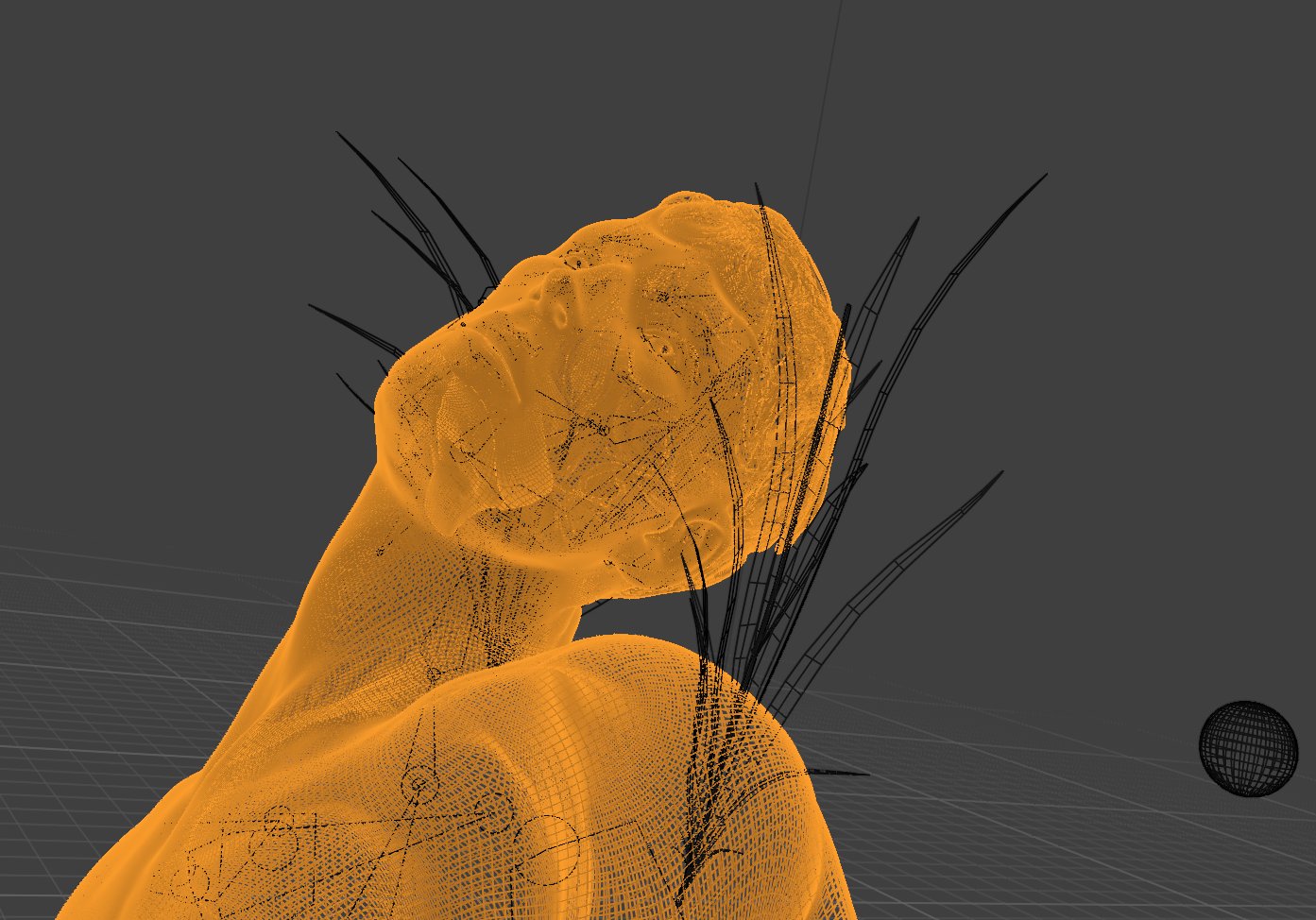
Colour develops through the figure’s surroundings. Platt places colour gradients around the digital scene. Reflective surfaces pick them up. Lights change how they appear across the body.
In the experiments he describes, he moves from objects that emit light toward directional lights called suns. Each decision changes the image he will eventually bring to canvas.
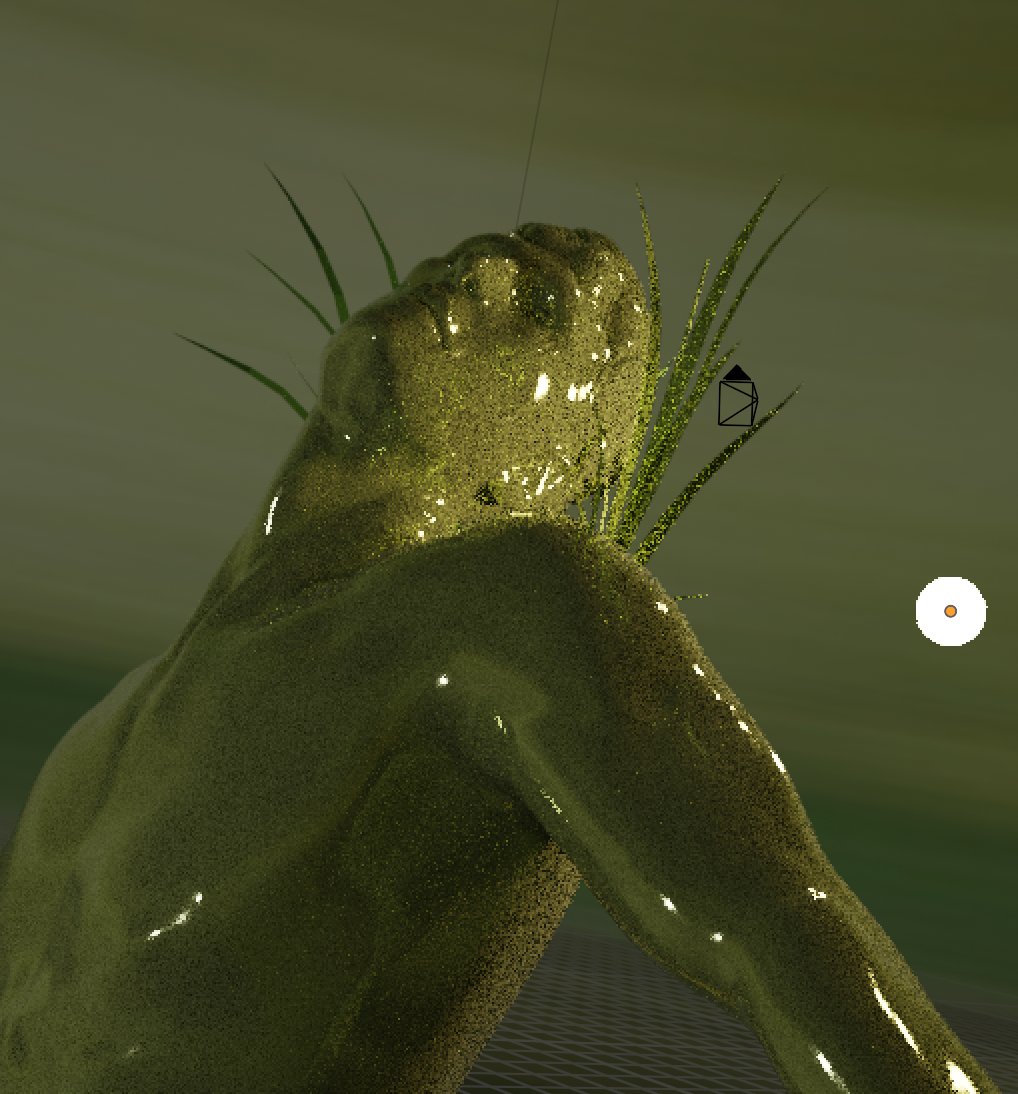
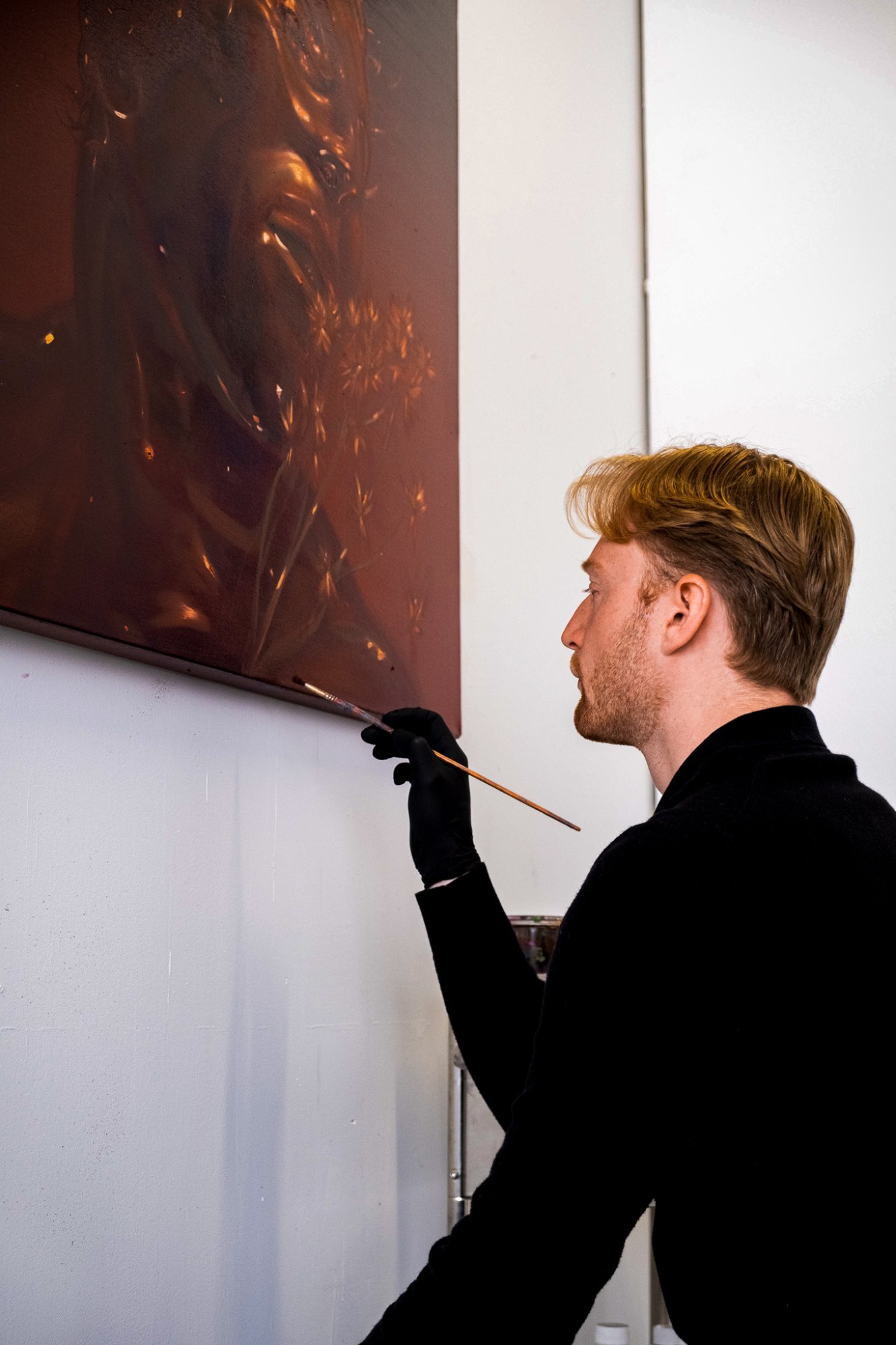
That transfer requires further decisions. A screen emits light. Paint responds to the light around it. Platt adjusts colour and edges as he works, searching for the glow he wants.
“I want to break it. I want to change it.”
His early lessons still matter here. He moves between direct, wet-on-wet painting and gradual layers. If the surface becomes too layered, he returns to thicker paint. The rendering gives him somewhere to begin; he keeps changing the painting as it develops.
Two paintings, two ways to change
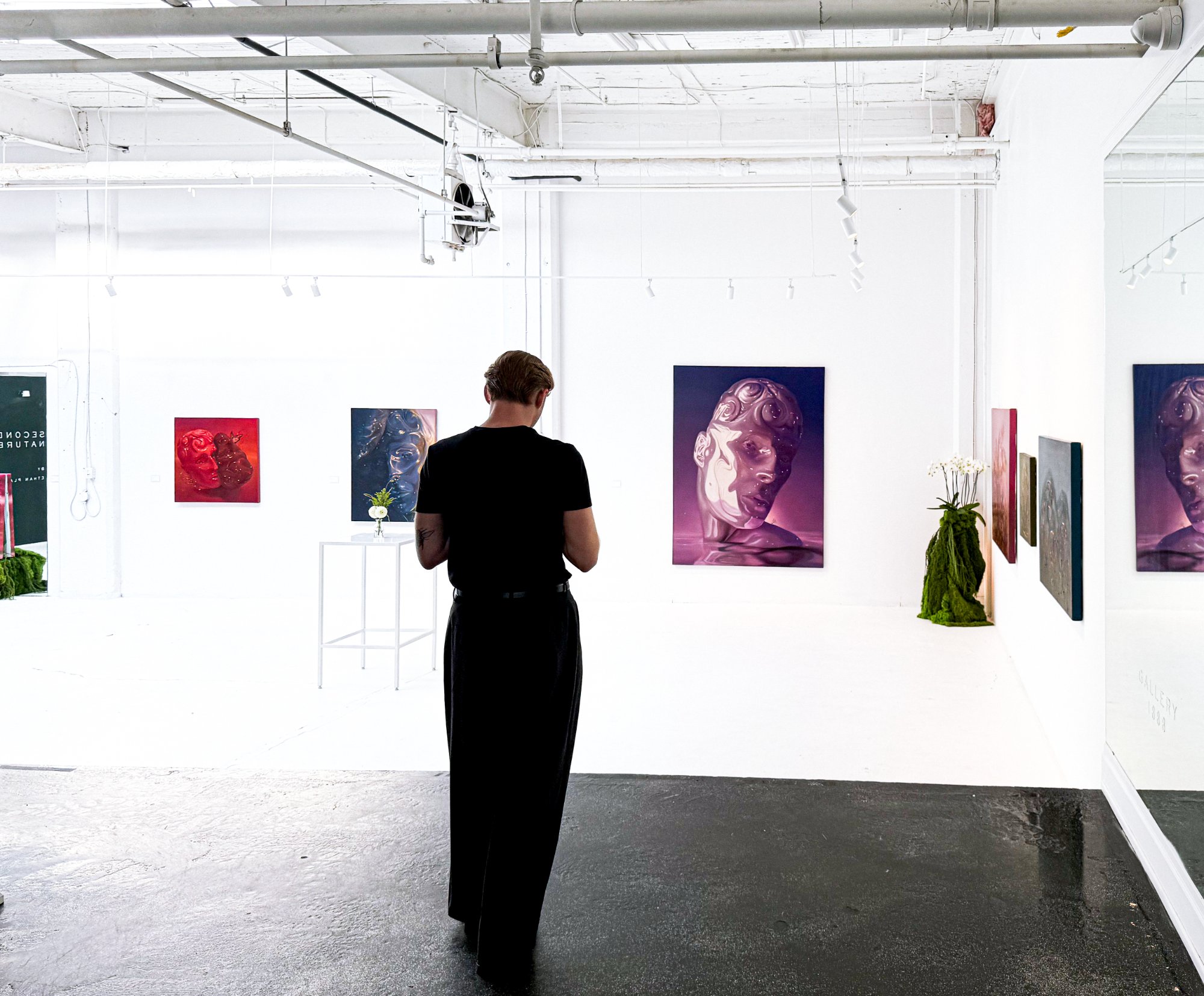
Scale matters to Platt. In Forget Me Not, an 84 × 64-inch oil painting, he finds the impact he associates with a large work. He singles it out when asked which paintings from the previous series stay with him.
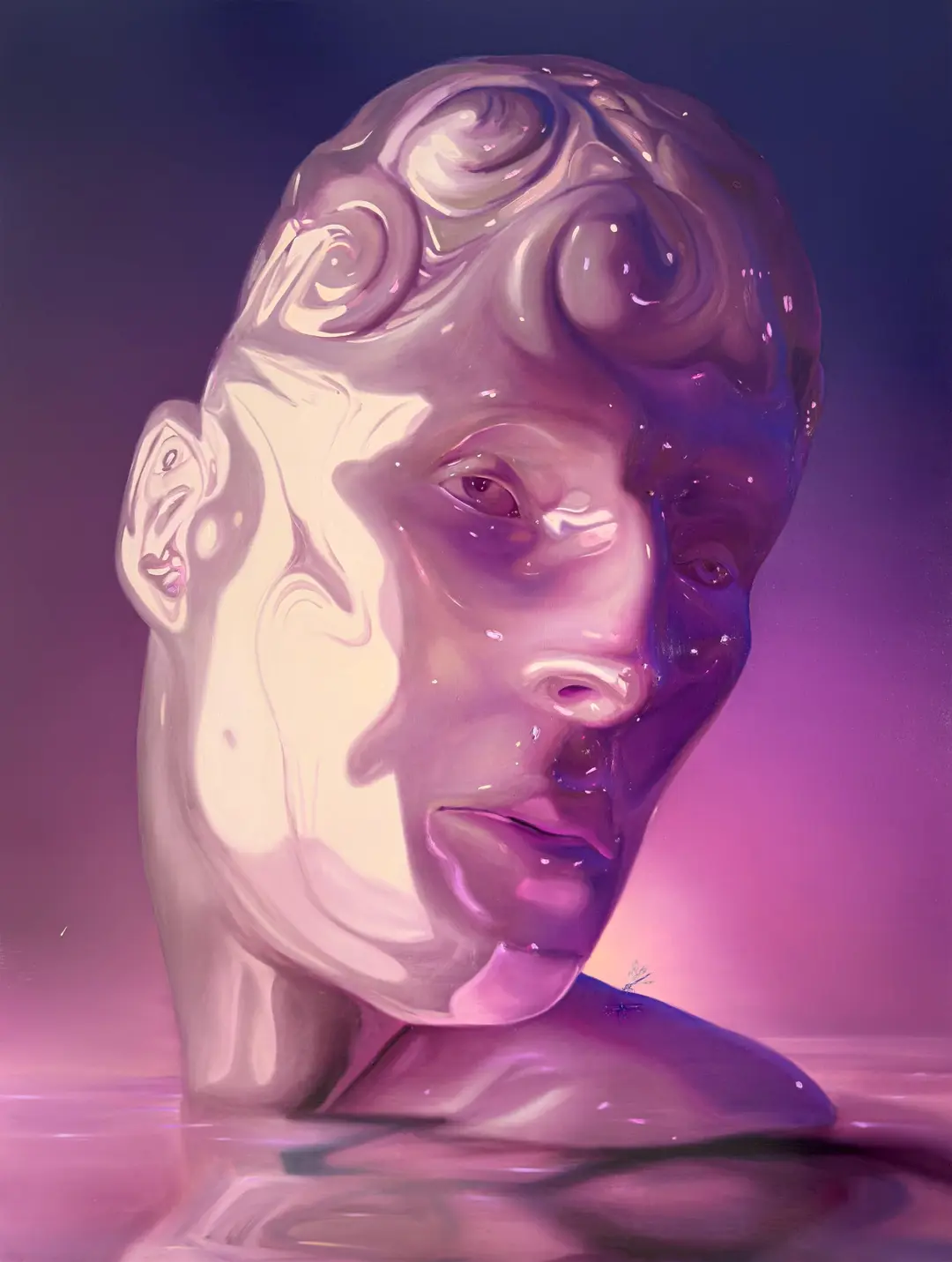
84" x 64"
All to Mud approaches change on a smaller canvas. At 24 × 24 inches, it explores things breaking down and becoming something else. Platt used a simulation to make a face appear to melt.
That experiment leads him to entropy: the process of disorder and breakdown. A digital image complicates the idea. What does it mean for something made in software to decay?
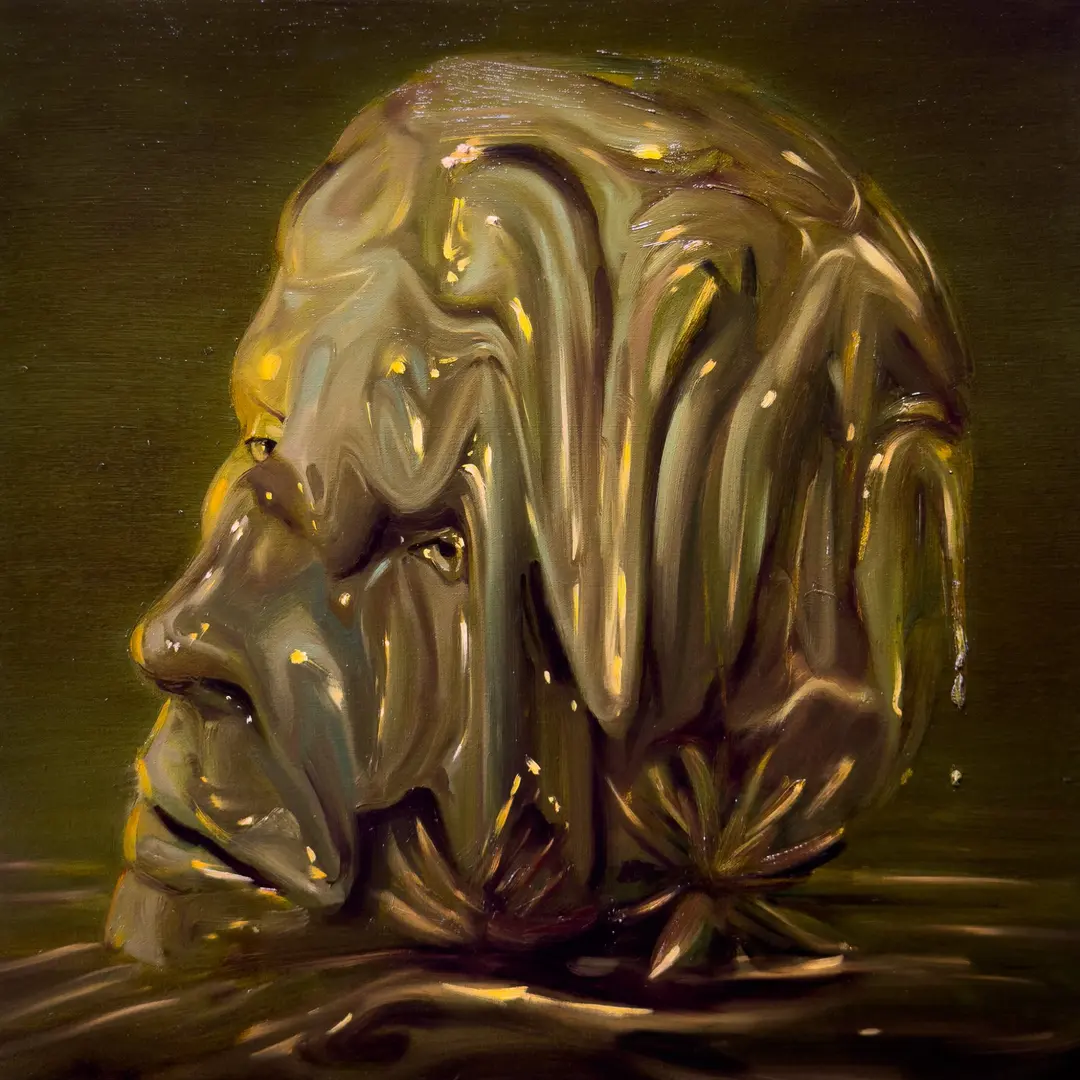
24 x 24 inches
Looking back, he sees that melting face as a step toward further experiments with the whole body. Breaking an image down can lead to the next painting.
Bringing sunlight into an invented body
A holiday after a solo exhibition gave Platt another starting point. He became interested in physical sensations: sunlight, water, and the feeling of being present.
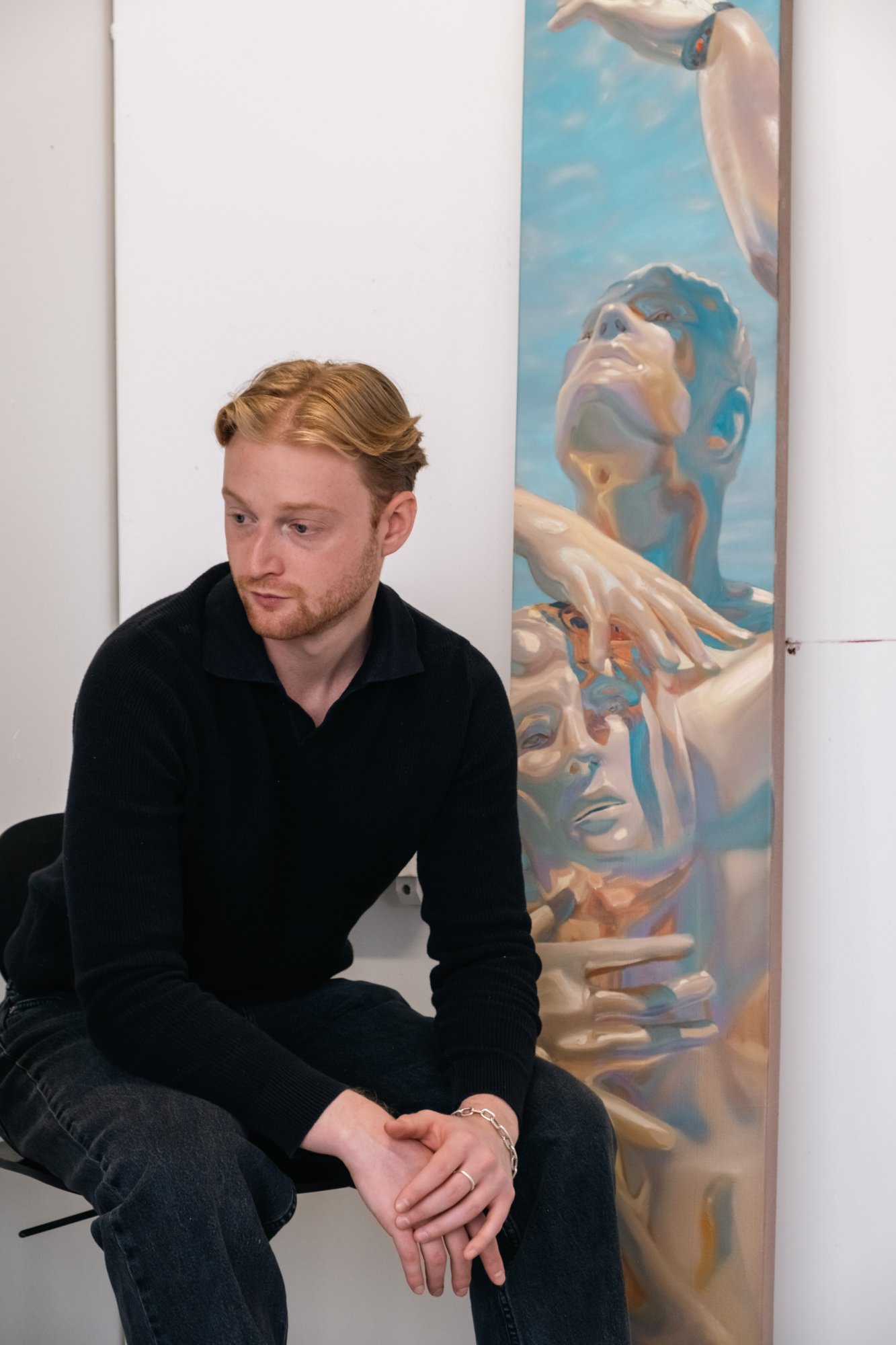
During the interview, he describes a newly finished painting, Sunbather. It moves toward a full figure and poses that cannot exist physically. He wants to bring those bodies into the physical world through paint.

12 x 84 Inches
His earlier experiments concentrated on faces, camera lenses, and lighting. Now he describes returning to the body more fully. Looking at older figurative paintings, he recognises an interest in extreme poses that was already there.
The return brings earlier questions into his newer process. He has different tools to pursue them.
Making room for what comes next
Platt’s ambitions include an institutional exhibition and time away through a residency. He wants to encounter somewhere different and see what that experience changes.
He describes using Artsume to find opportunities. The value is practical: seeing what is available in one place. He also talks about the repeated task of updating a CV. Those are familiar concerns for artists keeping a record of their work.
His advice to younger artists is to trust what feels right. Pressure to sell, attract attention, or keep pace with other people can pull that attention away from the work.
“Sometimes I also think, like, with Instagram and, like, online life, like, people get so caught up in what other artists and other galleries and all these things are doing.”
He suggests giving yourself time to work quietly. Keep making the paintings you want to make, and see where they take you.
Explore more of Ethan’s work
Explore Ethan Platt’s Artsume profile for his portfolio and professional record.
He is represented in Toronto by Gallery 1888.
Continue with Emmette Lewis on portrait painting and memory, or Ruth “Rutamfi” Burotte on 3D character art.
Based on a conversation with David Rozenfeld. Direct excerpts retain the transcript’s wording. Ethan’s written follow-up clarifies the instructors’ roles and his gallery representation.