In conversation · Rafael Montalvo
Rafael Montalvo: Sculpture in Reverse
The Puerto Rican artist on transforming living bodies into sculptural photographs, the pull of the sea and mythology, and the relationships that help an artistic practice find its audience.
Interview by David Rozenfeld
· 16 min read
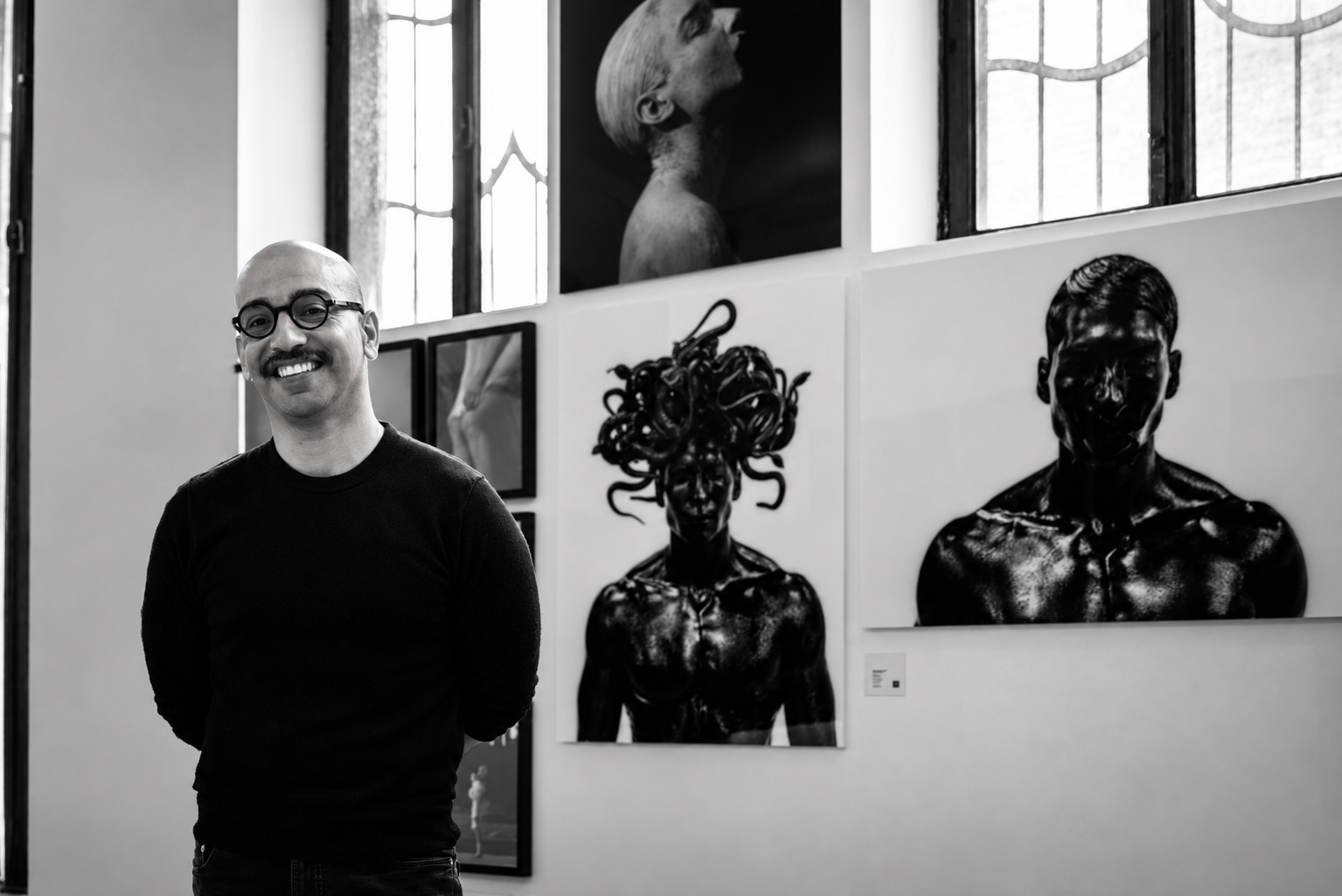
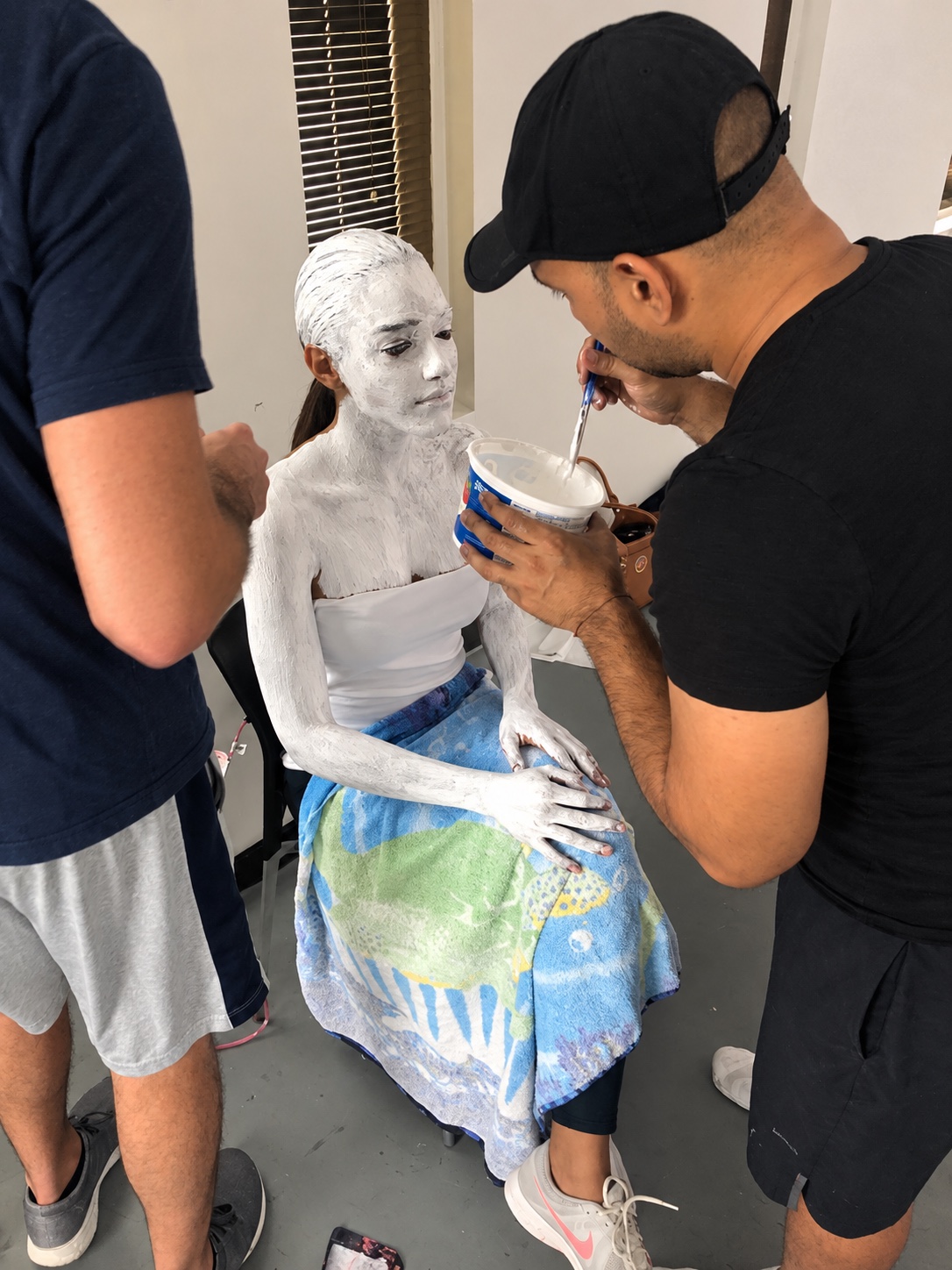
Before Rafael Montalvo takes a photograph, there is usually a drawing. Then comes the search for a model, the construction of props, and the body painting. The camera enters a process that is already deeply sculptural.
His aim is to reverse the logic of figurative sculpture. Instead of shaping an object to resemble a human being, he begins with a human being and creates the appearance of a sculpture. Photography becomes the meeting point between the disciplines he has explored throughout his life: drawing, painting, sculpture, and image-making.
In this conversation with the Artsume community, Montalvo reflects on the early encouragement that brought him into art, the loss that interrupted his photography, and the experiments that brought him back. He also discusses the sea’s recurring presence in his work, the connections behind his international exhibitions, and his ambition to take his photographs back into three dimensions. You can see the full body of work on Rafael Montalvo’s Artsume profile.
This interview has been edited and condensed for clarity.
An artist before a medium
For someone discovering your work for the first time, how would you describe what you make?
I start with my own idea of beauty: the things I like and how I would create an image from them. For me, the process is about beauty and the message you can communicate through it.
I have always admired sculpture, especially the sculptures you see in places like Rome and Greece. I was fascinated by their beauty, by the human body, and by how looking at those works could make me feel inspired.
That is what I’m trying to capture with my photographs: the same feeling I have when I look at those sculptures.
You work across sculpture, photography, body painting, and drawing. Do you think of yourself primarily as a photographer or a sculptor?
I would prefer to be referred to as an artist.
I started by studying art and drawing, then painting. After that, I moved into sculpture, and eventually, almost by coincidence, I went into photography.
I wouldn’t choose just one of those disciplines. I think of myself as a creative person—just an artist.
There is a moment when looking at your photographs when you’re not entirely sure whether you’re seeing a person or a sculpture. You describe that as working in reverse. What do you mean?
A figurative sculpture is an interpretation of the human body. It isn’t human, but the sculptor is trying to make it resemble the human body as closely as possible.
I work in reverse. I start with the human body, and my aim is to make it look like a sculpture.
That is how I see the process: making the figure look human, but not human at the same time.
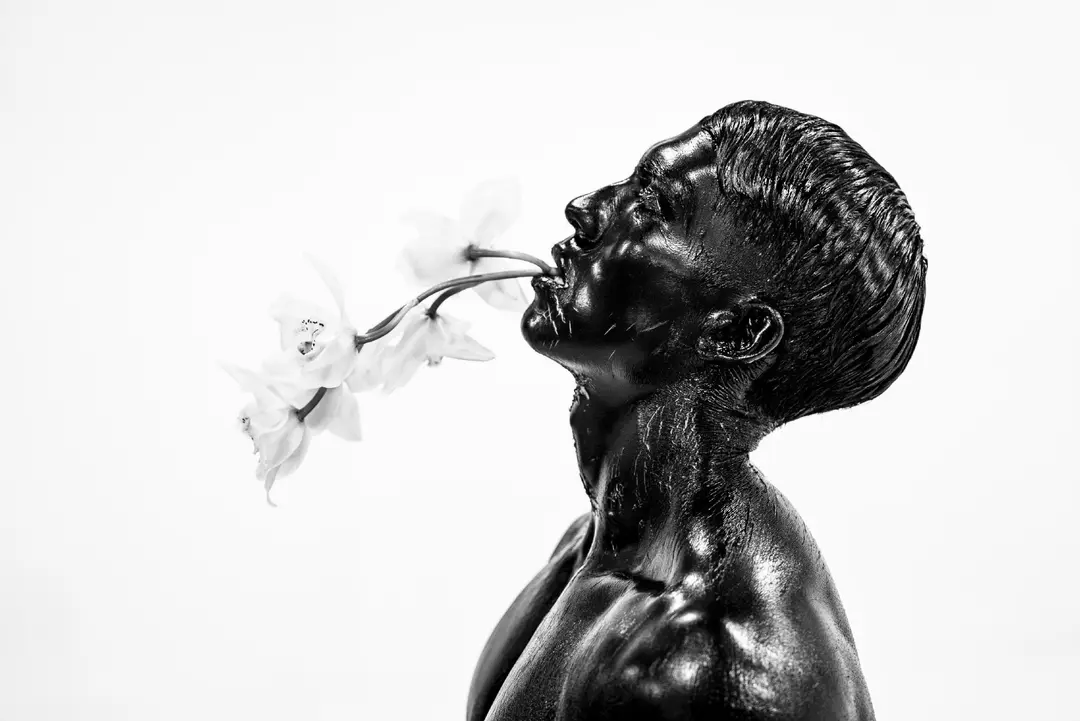
A fine art photograph that fuses body painting and sculpture, transforming the human figure into a living artwork where painted skin and sculptural forms merge seamlessly to explore identity, texture, and the relationship between the body…
Early encouragement and a different way back
Let’s go back to Puerto Rico. What first made you want to become an artist?
My mother identified that interest very early. I preferred drawing to studying mathematics or science—and my mother is a science teacher.
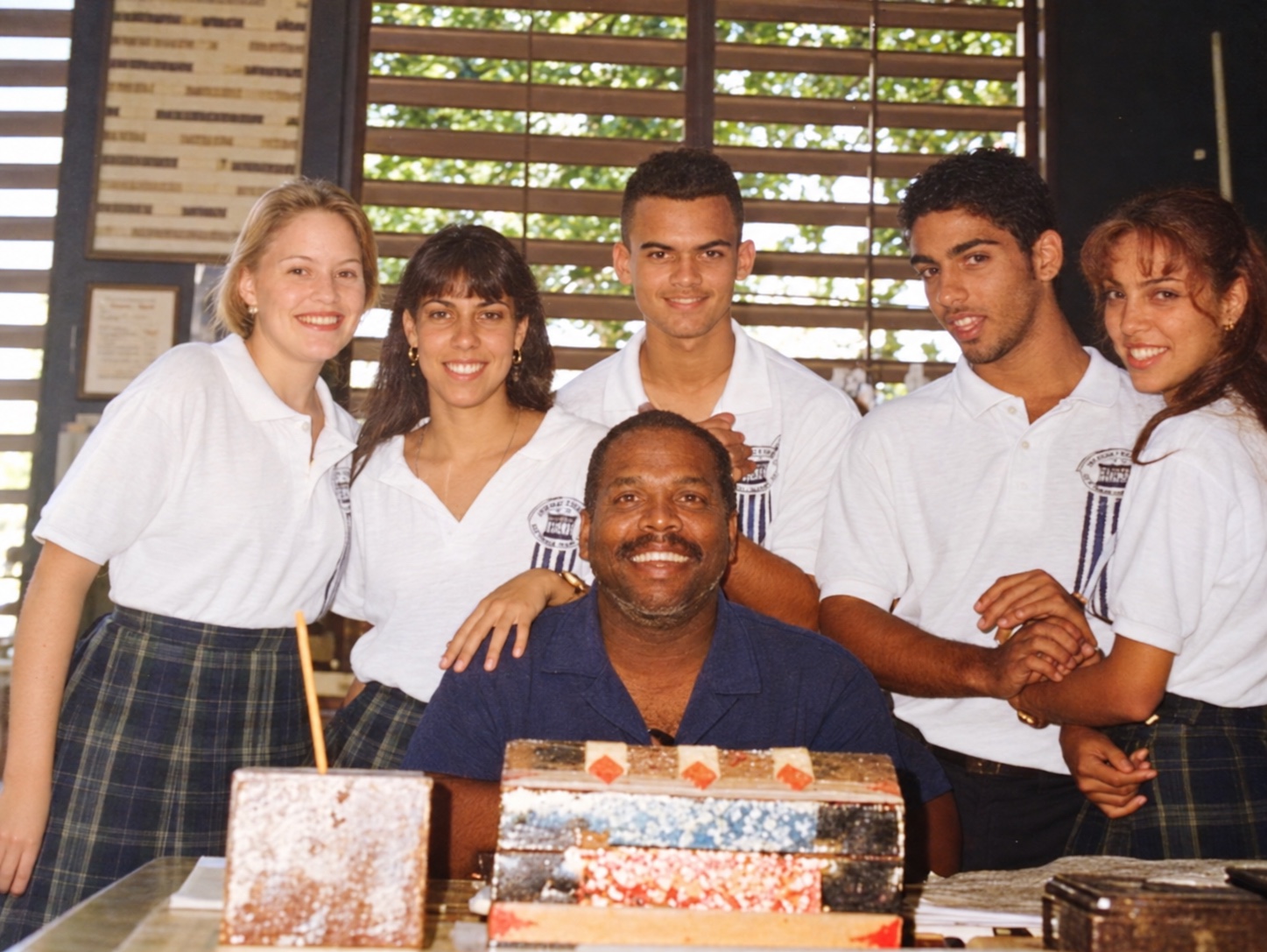
She enrolled me in a special school for talented children, and that was how it started. I began taking art classes every day.
It was a very special school. We had exhibitions every year, competitions, prizes, and awards for our work. It was creative, but it was also competitive. I spent six years there.
How did photography become part of your life?
At university, I was studying marketing, and photography was one of the courses I took.
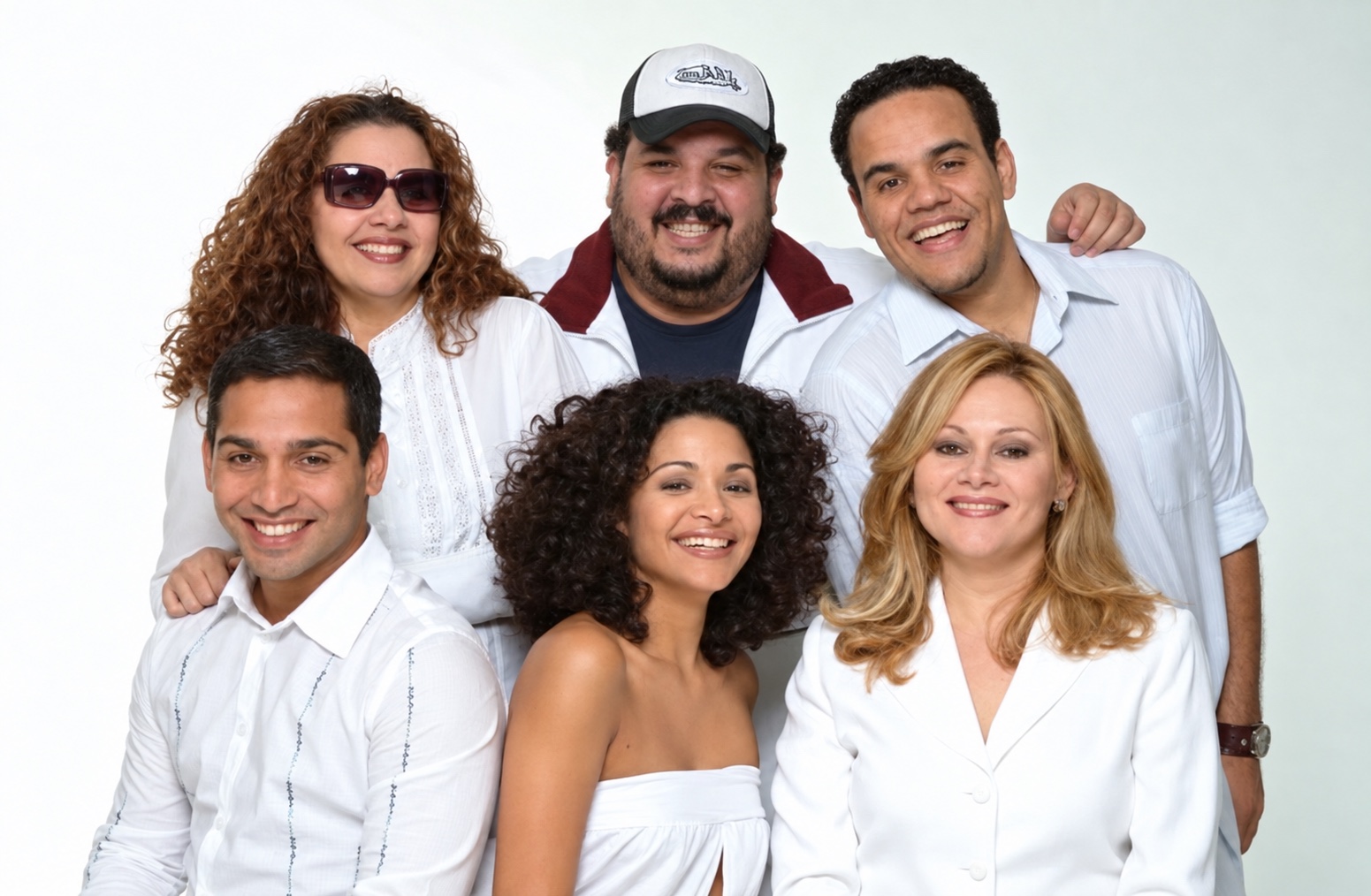
I photographed a friend who was a model. He went to New York, and those photographs won awards. The owner of the agency working with him contacted me and wanted me to photograph more models.
I kept saying, “I’m not a photographer.” He was saying, “I don’t care. I need you here tomorrow to shoot.”
That was how I started. He really pushed me to do it, and he became a creative partner.
What happened between that beginning in fashion photography and the work you make now?
I started doing fashion photography while I was studying, experimenting with black and white and that whole world.
When the friend who had pushed me into photography passed away, I had a creative block. I stopped taking photographs for several years.
Eventually, I wanted to return, but with a more artistic approach. I wanted to incorporate the sculpture side of my background.
I started experimenting and taking photographs again. Then, one day, I had this idea of creating a sculptural image with a model and body painting. I didn’t want it to be only figurative; I wanted it to be abstract at the same time.
Body painting became the way to bring those things together.
How did Puerto Rico shape your practice, and what has Miami added to it?
Puerto Rico gave me the foundation.
There are very talented people there, but the range of opportunities is different. When you compare the art scene with Miami—the galleries, the international artists, the different approaches—Miami gives you so many options. Sometimes it can almost feel like too much.
For me, Miami is a creative outlet. It helps keep me in that creative frame of mind.
The photograph begins before the camera
Walk us through a work from the beginning. What comes first: the person, the sculpture, or the composition?
The idea comes first. I see something visually in my mind, and then I start drawing how it might look.
After that, the question becomes: how am I going to make this happen? I need the right model and the right props. Sometimes I find objects I can incorporate, and sometimes I have to create them.
For the Medusa head, for example, I used plastic snakes. I shaped them with wire, painted them, and built the whole form.
There is a sculptural process in creating the props and putting everything together. The photograph comes after that.
Most of the time, the final image is quite close to the idea I had at the beginning. Sometimes it becomes something slightly different.
How do you know when you’ve found the right image?
You have to follow the process and trust what you’re discovering while you work. You also have to allow yourself to be surprised.
I try to stay close to the initial idea, but you can’t control the process completely.
When I get the right photograph, I know. I might have a lot of options, but there is one where I think, “I got it.” Then I can move on to the next image.
What kind of relationship do you need with the model to make that process possible?
Trust is crucial. I need to establish a rapport with the model so they can trust me, and that trust has to work both ways.
The models are often nude or partly nude. I’m painting their bodies and asking them to take different positions, so it is important to talk beforehand and make sure they understand the idea and what the process will involve.
You are working with a human being. They may feel comfortable or uncomfortable, and you have to take that into account.
I’ve been lucky to find people who become engaged in what we’re doing. Their reaction when they see the final result is part of the experience too.
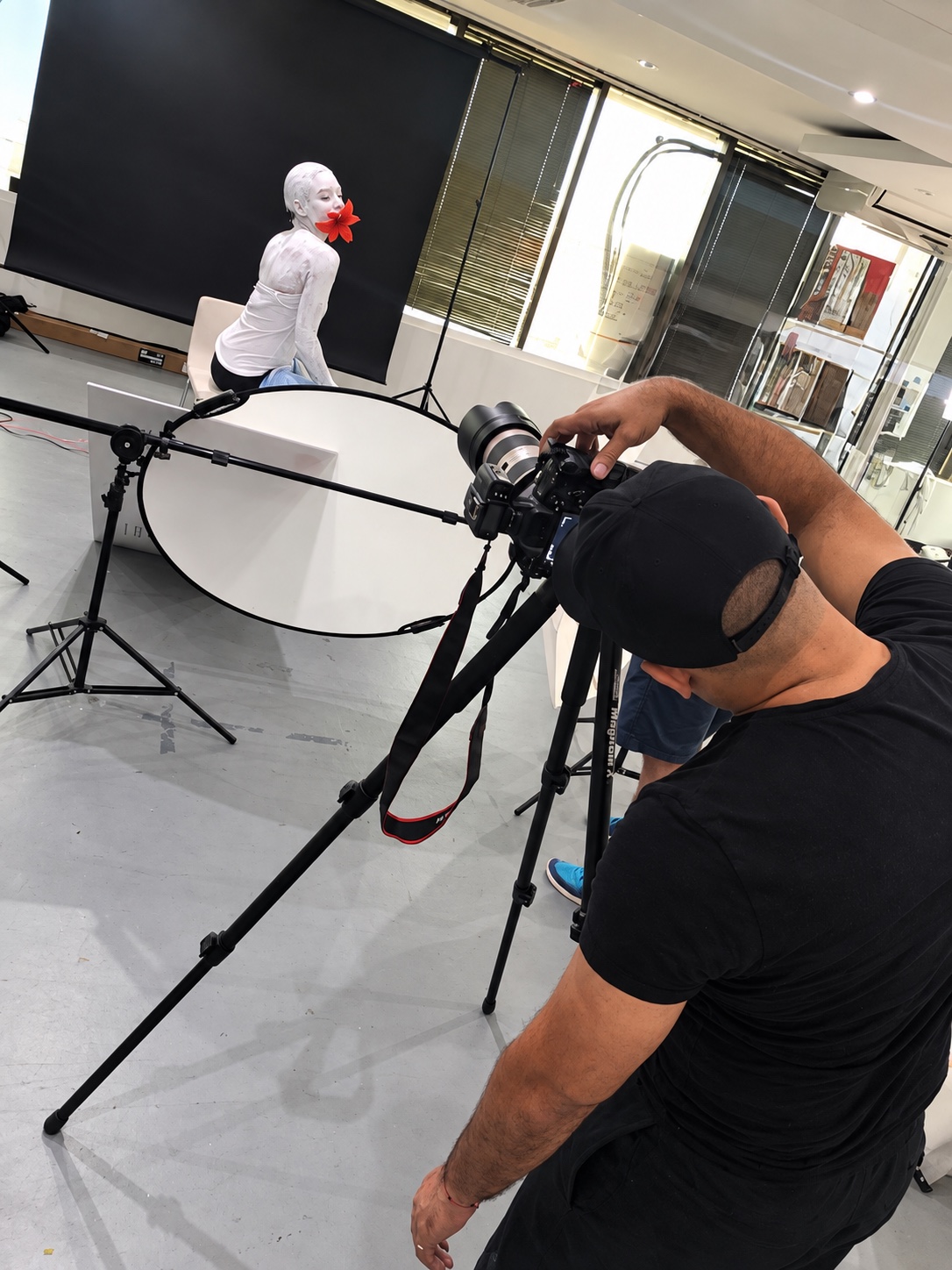
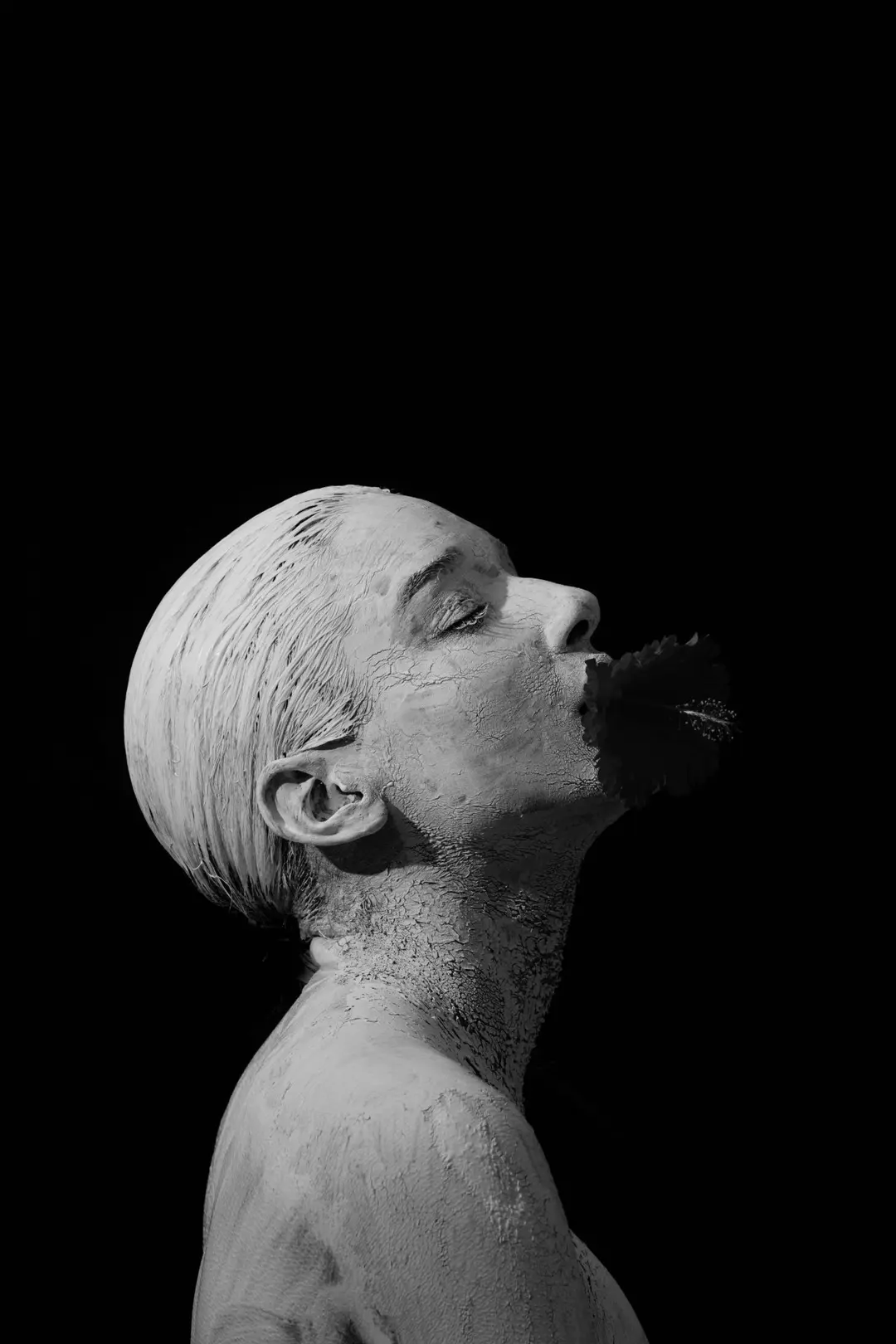
Mixed Media - Photography of model incorporating Body Paining and Sculpture
This piece is inspired by the dehumanization of the body and its relationship with nature. The body becomes the vessel for the flower, creating a visual dialogue that blurs the line between the living and the dead. It invites viewers to…
Do you work with the same models over time, or do you cast someone different for each project?
I’ve photographed in different places, including Puerto Rico, Spain, and the United States, so I’ve worked with different models in different locations.
Usually, I cast for each shoot. But there are people I’ve worked with before whom I would love to bring back for future projects.
The practical side can make that difficult. Bringing someone from Spain to the United States, for example, is expensive. Because I’ve moved around so much, I’ve also been photographing in different places.
But I would definitely like to work with some of those models again.
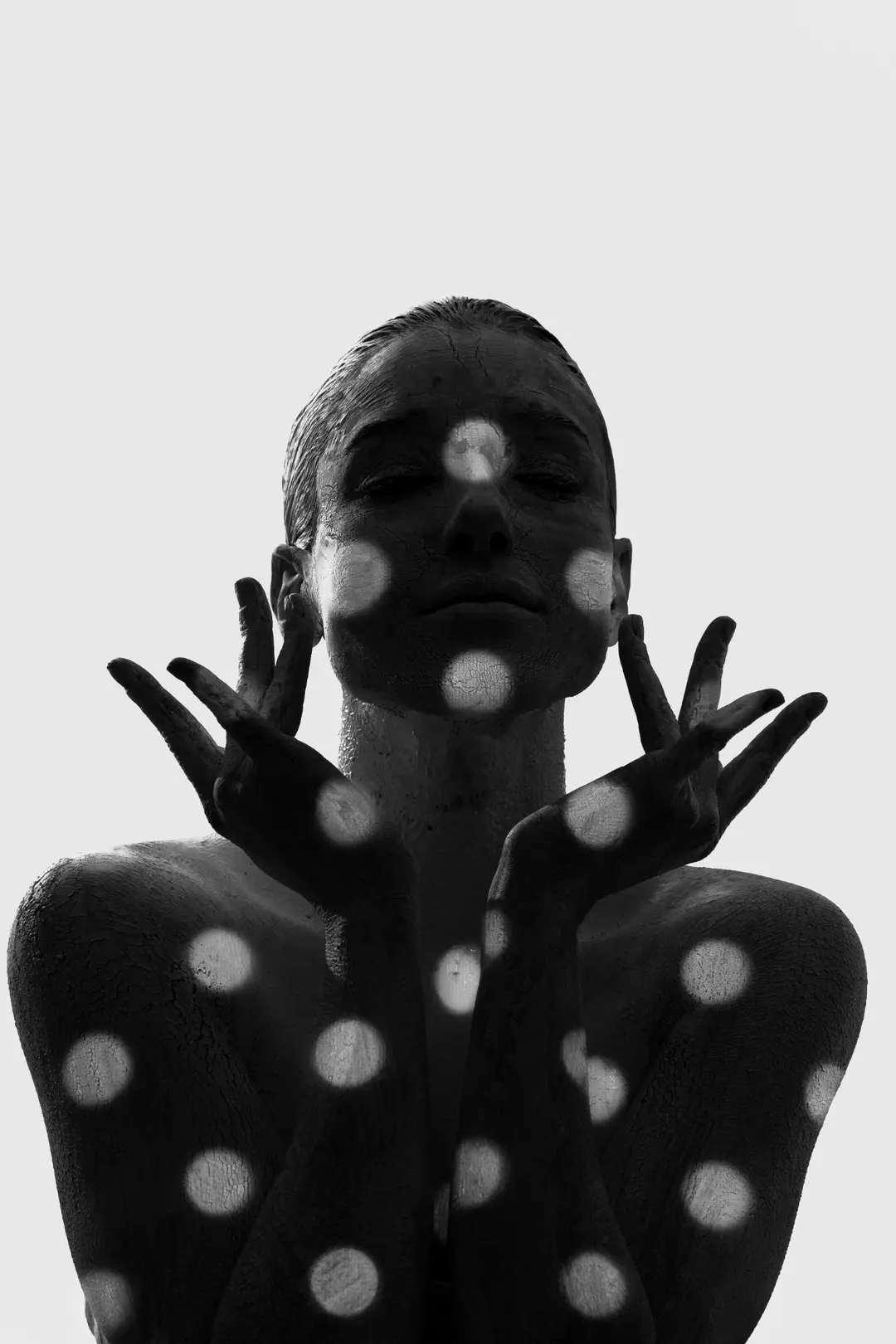
An homage to Letal, the iconic drag queen character from Pedro Almodóvar’s High Hills, and the spirit of Spanish culture, this fine art photograph blends performance, identity, and sculptural expression through a black-and-white…
The photograph becomes a physical artwork through printing. How do material and scale change what we see?
I print on different materials. I’ve had exhibitions where the photographs were printed on velvet, and I’ve also printed on acrylic and metal.
The material changes the feeling of the image. The same photograph on metal can have a very different effect from the photograph on fabric.
I also like very large formats. The images still work at a smaller size, but when you see them at a large scale, they become much more impressive.
Mythology, the sea, and the sacred
What drew you to Medusa, and why did you choose to portray the figure as male?
First, it was the visual impression of Medusa. People can be scared of the figure, love it, or become obsessed with it.
Then there is the story of looking at Medusa and turning to stone, and the different meanings and uses of that figure throughout history. All of that fascinates me.
I wanted to give it a twist. Why do we keep using a woman to represent something dangerous or venomous? Men can be dangerous too. That was the thinking behind creating a male Medusa.
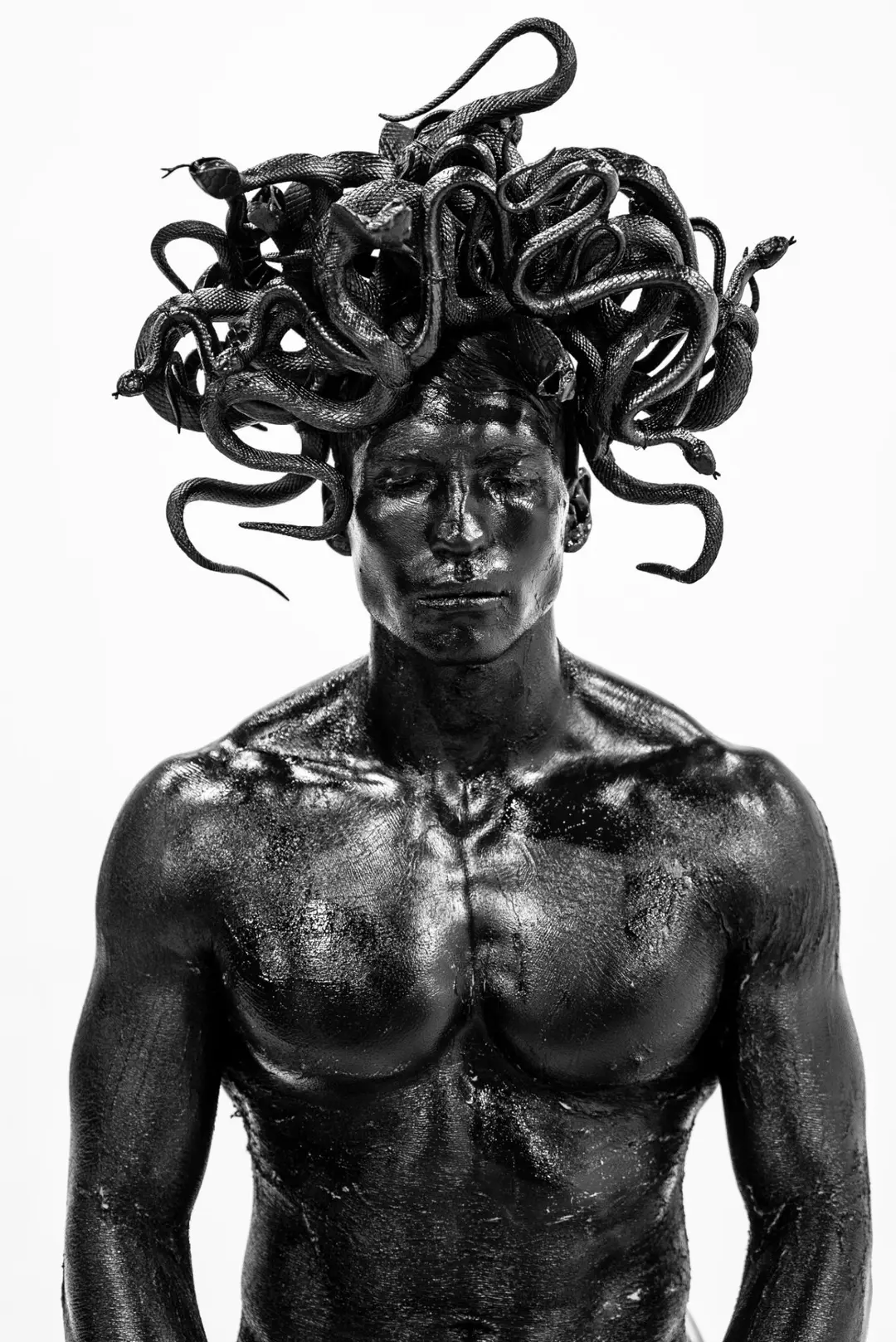
An homage to the legend of Medusa, this fine art photograph reimagines the myth through the male human figure, seamlessly blending body painting and sculptural art.
I also work with black and white, and I made versions in both. When I exhibited them together, I was interested in that contrast: dark and light, good and bad, and the way the figures played against each other.
The sea is another recurring presence in your work. Where does that connection come from?
I realized that life keeps taking me to places where the sea is close by. From Puerto Rico to Venice, Qatar, Miami, and Sarasota, it has always been present.
Even when I’m not frequently going to the beach, the sea is still part of my life. That is why I keep returning to its elements and to the mythology and mystery surrounding it.
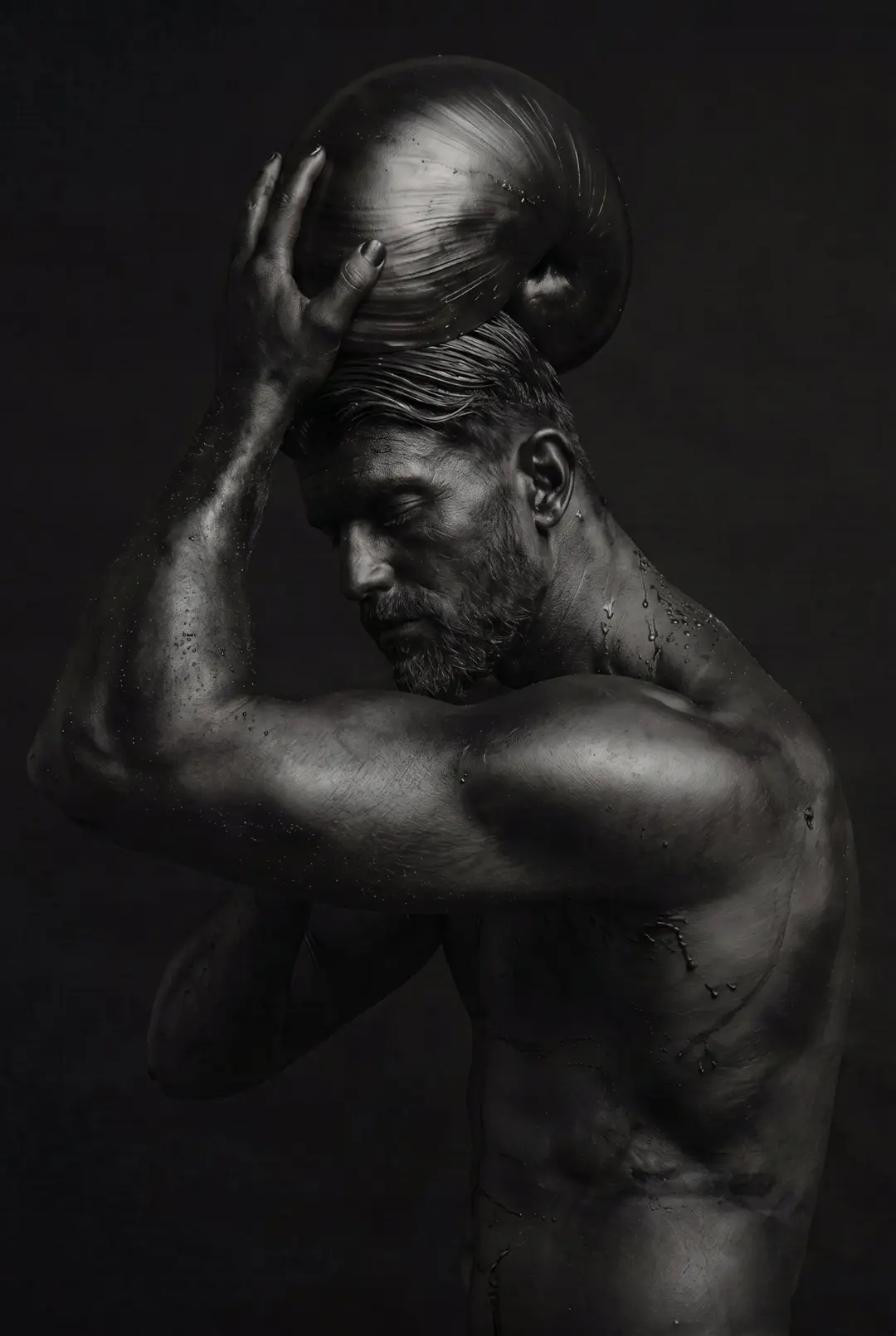
Mixed Media - Photography of model incorporating Body Paining and Sculpture
Inspired by the sea and the mythology of Poseidon, this fine art model photograph seamlessly blends body painting and sculptural art, transforming the human form into a living masterpiece This piece is part of the exhibition Mare, which…
Those stories have existed for so long, and I find them very intriguing. They are connected to my personal life, which is why I bring them into the work.
There is also the respect we need to have for the sea. It has its own power. You can’t control it.
That is something I would like to develop further: how we can protect the sea and be more respectful of it.
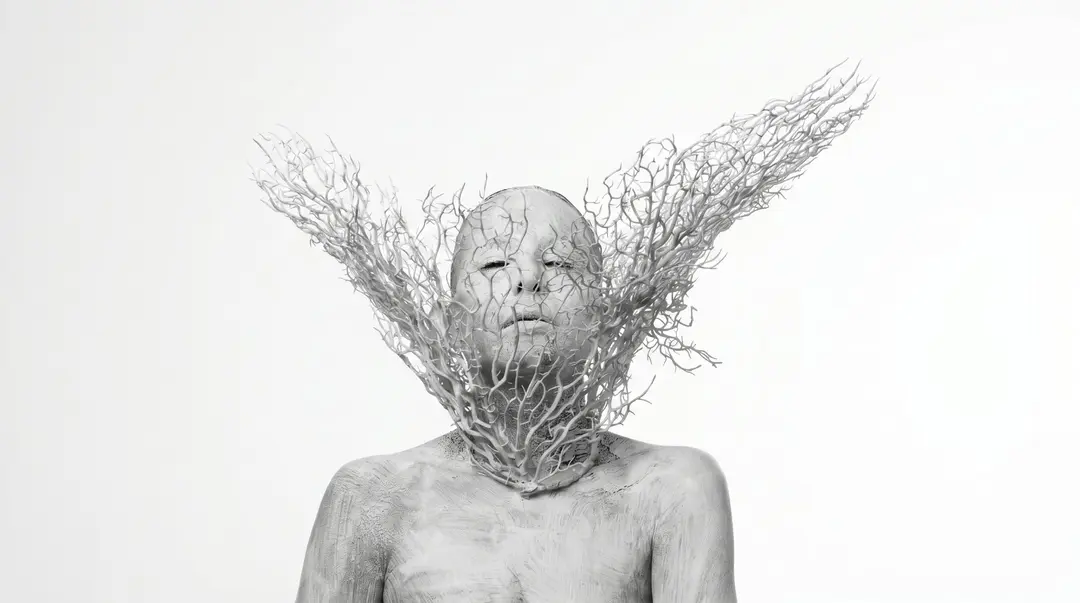
Mix Medium
An homage to dead corals and their enduring beauty, this fine art photograph seamlessly blends the human figure, body painting, and sculptural art. This piece is part of the exhibition Mare, which explores the artist's relationship with…
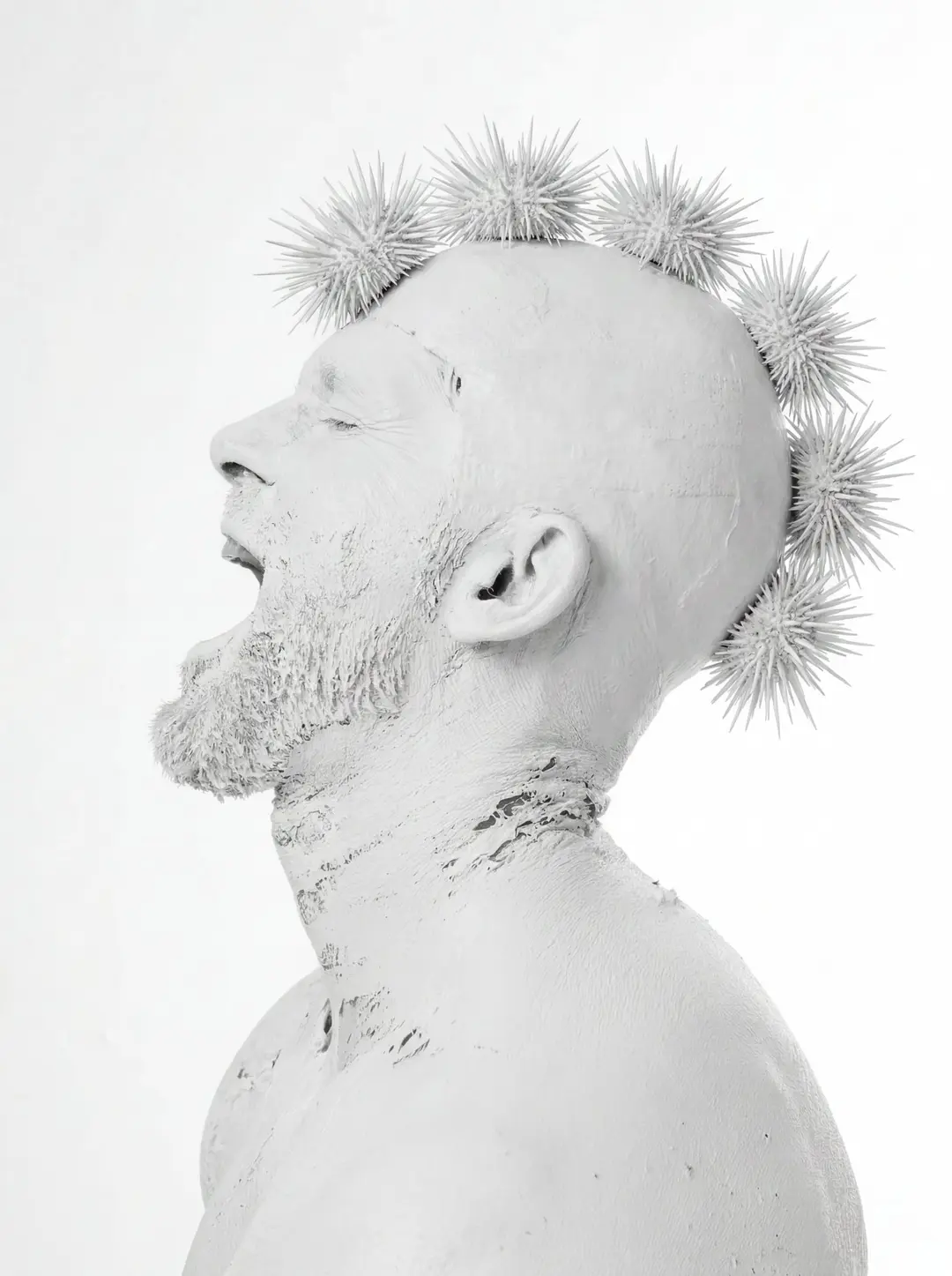
Inspired by the delicate beauty of sea urchins and the lasting remnants of the ocean, this fine art model photograph seamlessly blends body painting and sculptural art, transforming the human form into a living masterpiece. This piece is…
You also spoke about religious imagery as a direction you want to explore. How does that connect with these themes?
Religion was part of my childhood, and I’m very interested in images of the Virgin, saints, and gods.
I can see myself moving further toward that kind of aesthetic and those mystical themes. I want to incorporate religious imagery alongside the sea and bring those interests together.
That is one of the directions I see for the work.
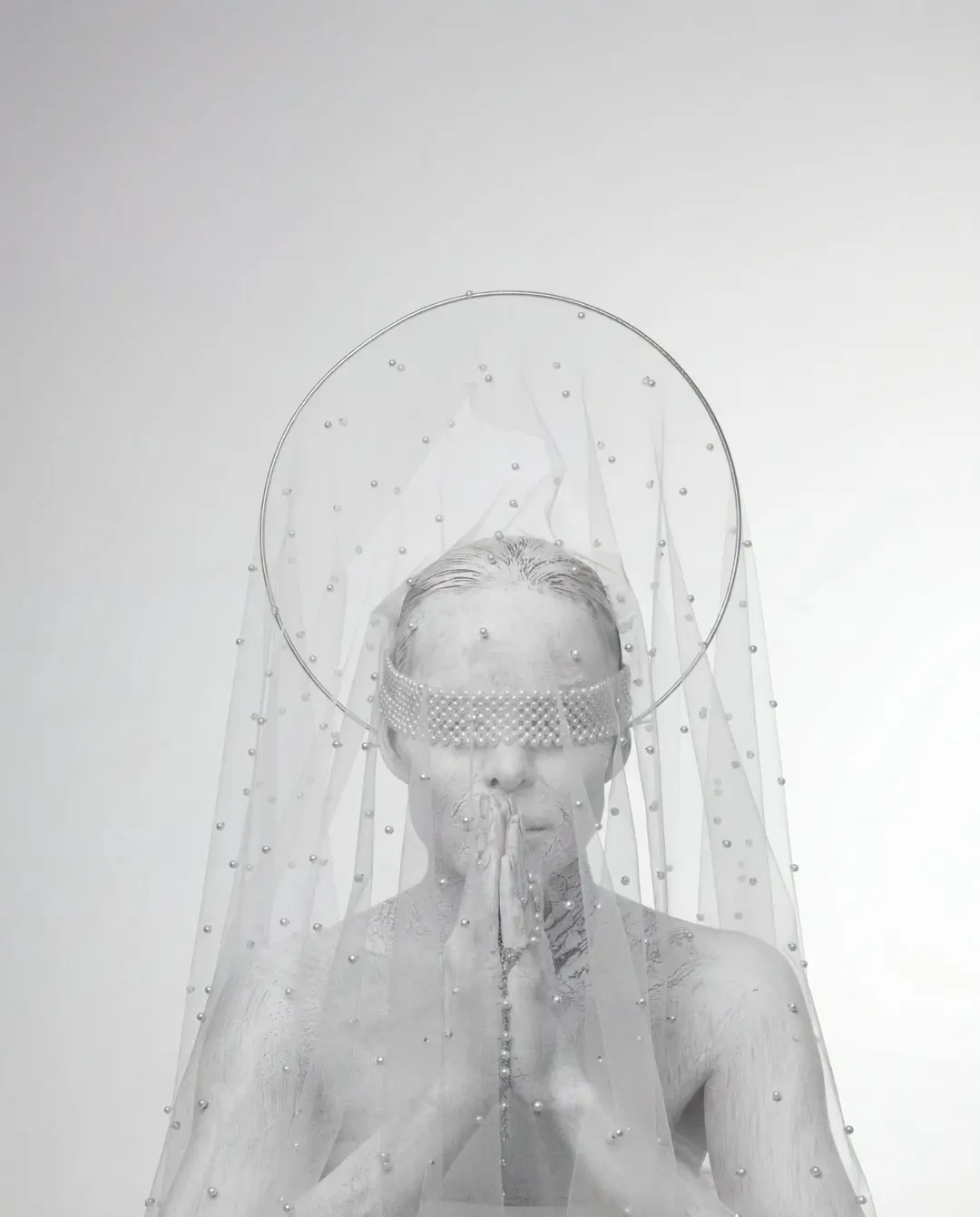
Inspired by Saint Margaret of Antioch, the sea, and the symbolism of pearls, this fine art model photograph seamlessly blends body painting and sculptural art, transforming the human form into a living masterpiece This piece is part of…
The relationships behind the exhibitions
Your exhibition history has become increasingly international. Was that something you planned?
Not intentionally. It has happened through the opportunities that have come up, and I’ve tried to take advantage of them.
My life and my work have taken me to different parts of the world, and that has helped make the practice international.
I’ve found more opportunities internationally than I was finding when I was in Puerto Rico. The invitations to exhibit in Venice and Cuba were particularly important to me.
How did the exhibition at Fábrica de Arte Cubano in Havana happen?
It came through a friend who had exhibited there. He sent photographs of my work to the curator, and she said she wanted to have me there.
I travelled to Cuba to work on the exhibition. It was my first time there, and I was very impressed by the venue itself.
You have art in so many forms in one place: dance, performance, sculpture, installations. There is so much happening within that one venue.
The invitation meant a lot to me. I was excited that they liked my work and that I would be exhibiting alongside artists who were very well known.
Of the different places you’ve exhibited, where have you felt the strongest connection with an audience?
Surprisingly, Venice.
I had lived and worked there, which helped me build a network. I already had friends and a connection to the place.
But when I was invited to exhibit, I wasn’t expecting the response to be as strong as it was. I was there for only three days because I needed to return to work, and the reception surprised me: the curator, the visitors, the interest from the media.
There are so many artists and so much happening in Venice. To feel that interest in my own work was very special.
I was surprised and proud of what I had achieved. It was also a return to somewhere close to my heart.
How have relationships and personal connections affected your career?
A lot.
It started with the friend who pushed me into photography. Then there are the relationships with the models, the people who have given me opportunities to show my work, and the networks I’ve developed in different places.
Those connections have been crucial for me.
Looking back, how much has been about the work itself, and how much has been about the people you’ve met?
For me, probably fifty-fifty.
The work needs to be strong, but you also need to find a way to get it seen. If you don’t know how to do that, you may not get very far.
It is about finding the balance that works for you. An artist might be happy making work for themselves and their friends, and that is completely valid.
You have to stay true to yourself and understand what you want from your practice. But from my perspective, the work and the relationships are equally important.
Getting the work out into the world
What do you understand about building an art career now that you didn’t understand when you were younger?
The importance of having a network and getting your work out somewhere, somehow.
You can have an amazing piece in your room, but nobody will notice it there. You need to show it, see how people react, and receive feedback.
You might make mistakes in the process. Some opportunities might not be what you expected, or you might have hoped for something more. But if you don’t show the work, people won’t know it exists.
At the same time, you have to stay true to yourself.
How do you balance making the work you want to make with the realities of galleries, exhibitions, and collectors?
Coming from advertising and marketing, I understand the importance of an audience and what people respond to.
You still need to be true to your art, to yourself, and to what you want to do. But you can also listen and understand what people like.
For me, it is about finding that balance. You can think about how to communicate your ideas and get your message across while still being true to yourself.
You have to allow the audience to speak to you too.
What brought you to Artsume?
I think I first came across it through Instagram.
I was looking for opportunities and trying to get my work out there. It seemed interesting, and I thought, why not?
What kinds of connections are you hoping to make next?
I’m open to opportunities that make sense for my work, my style, and my way of thinking.
I have quite a few international contacts, but I’m still developing connections locally in the United States. That is somewhere I would particularly welcome introductions and opportunities.
From the photograph back to sculpture
You began with sculpture and moved into photography. Where do you see the work going next?
I would love to go back to sculpture.
What I have in mind is taking some of the photographic pieces I’ve already created and turning them into physical sculptures. The photographs would become the inspiration for the sculptures.
It feels almost like a spiral: starting with sculpture, moving into photography, and then returning to sculpture through the images.
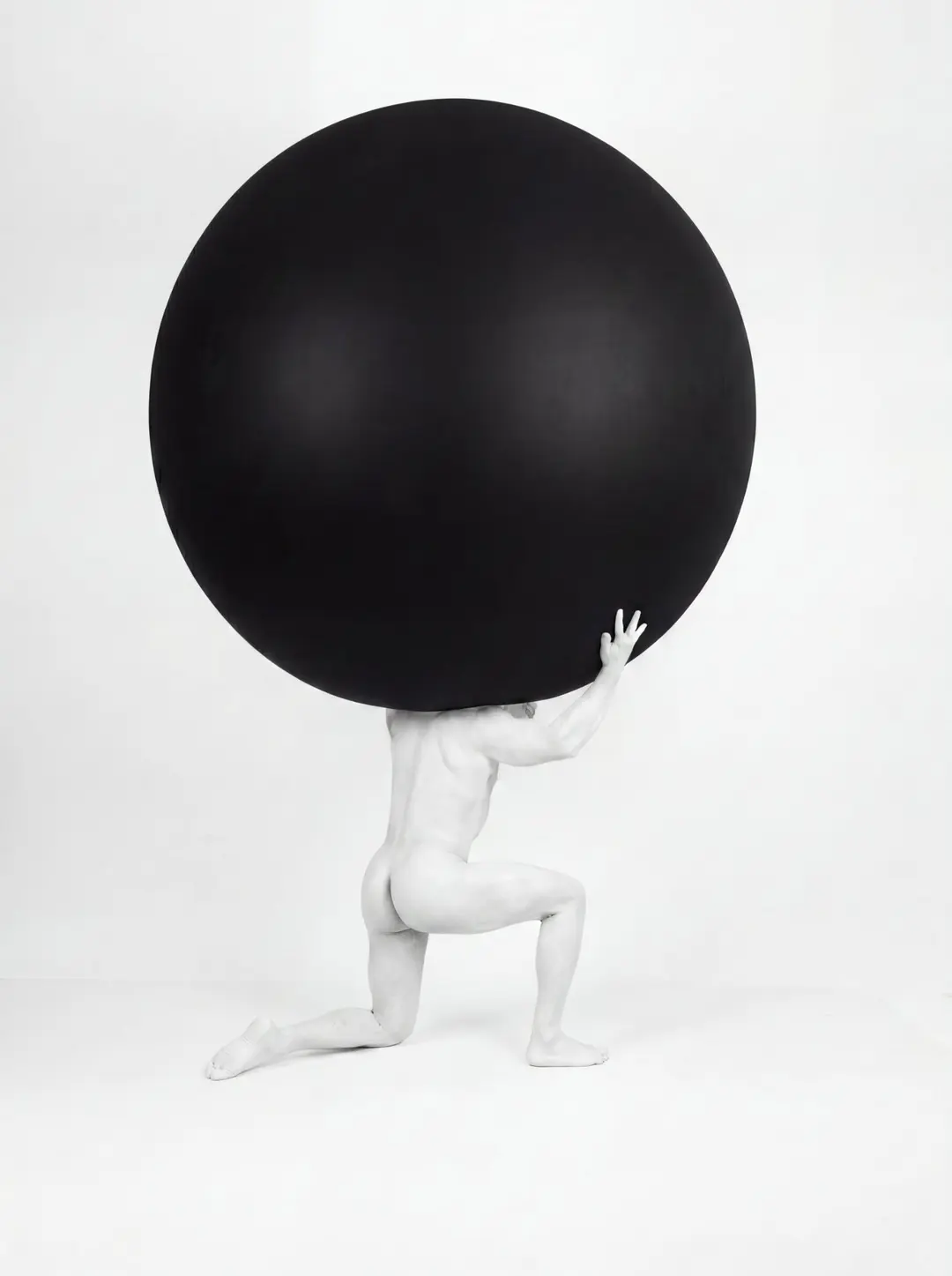
An homage to black pearls, mythology, and sculpture, this fine art model photograph seamlessly blends body painting and sculptural art, This piece is part of the exhibition Mare, which explores the artist's relationship with the sea.…
That is where I see myself moving forward with the work.
What would you like the next five years of your artistic career to look like?
I would love to do more: different kinds of exhibitions, different concepts, and different events.
I have a full-time job, which sometimes limits how much I can do. But I want to express more and create more.
Suppose an opportunity found you tomorrow because someone discovered your work. What would you hope that opportunity was?
I would love to be part of a museum exhibition.
I imagine a very large space where I could create sculptures, display the photographs, and perhaps include performance or a fashion intervention.
I’d like to bring together all the things I love and the different parts of my creative thinking in one place—a space I could fill with my art.
When someone encounters your work twenty years from now, what do you hope stays with them?
Some kind of message, whatever that is for them.
Art is subjective. Someone might find something spiritual in the work. Someone else might simply enjoy looking at something beautiful, or it might take them to a happy place.
That depends on the person.
I just want my art to speak to someone, somehow—to create a reaction and communicate something.
Rafael’s Mare series, the Fiore pair, and Medusa Nera are on his Artsume portfolio. If you curate in the United States and his work fits a show you are planning, you can reach him there. If you are an artist in a position like his, see how to find international opportunities and how to get into art exhibitions, or browse open calls.